0%

Choosing a Front Door is not just a matter of picking a color. It is a daily-use decision that affects comfort, security, weather protection, and the first impression of your home. A glossy door may look striking in a showroom, yet feel out of place beside a modest porch. A heavy door may seem reassuring, but it still needs suitable hardware and a well-fitted frame. Small details matter.

Architect Sarah Susanka’s design approach offers a useful principle, paraphrased: an entrance should welcome people and feel connected to the home. That idea makes the choice more thoughtful than simply matching a popular style. Consider the climate, the direction the door faces, the available daylight, and how much upkeep you can realistically manage. A south-facing entry, for example, may need a finish that handles strong sunlight. A draft near the threshold may point to a sealing problem, not a reason to replace the entire door. Sometimes the less exciting fix is the right one.

The ten tips ahead will help you compare materials, styles, glazing, finishes, locks, energy performance, and installation needs. They are starting points, not a substitute for checking product specifications or asking a qualified installer about your home’s conditions. Measure carefully. Look closely at the frame. And be honest about what you value most: a warm welcome, low maintenance, stronger insulation, or a particular look. You may not get everything at once. That is worth considering before you buy.
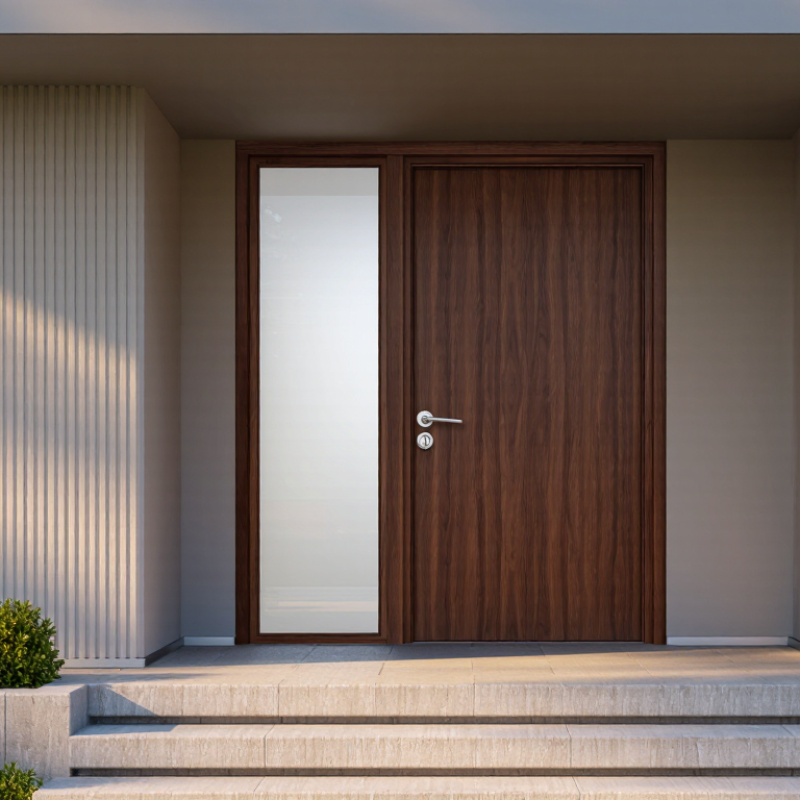
10 Tips for Choosing the Best Front Door

Assess Your Entryway’s Climate, Exposure, and Everyday Needs

Your front door meets the weather before anyone reaches the mat. Check the direction it faces, how much sun it gets, and whether rain hits it directly. A west-facing entry may bake in afternoon light; a sheltered porch may stay damp after storms. Notice peeling paint, swollen trim, drafts near the threshold, or water marks on the sill. Small clues matter. NOAA’s 1991–2020 U.S. Climate Normals can help you compare local temperature and precipitation patterns, but your own entryway may behave differently.

Match materials and ratings to those conditions. In wet or humid areas, favor finishes and construction suited to repeated moisture, and inspect the bottom edge carefully. For strong sun, consider how the door’s finish and glazing handle heat and fading. The U.S. Department of Energy reports that air leaks can account for 25%–40% of heating and cooling energy in a typical home; that figure covers the whole home, not doors alone. Still, a loose sweep or poorly sealed frame can be part of the problem. Compare NFRC-rated glazing by its U-factor and solar heat gain coefficient. Then think about daily use: muddy shoes, packages, pets, and hands carrying groceries. It is easy to obsess over color. I would check the sill twice.

Compare Door Materials for Durability, Upkeep, and Cost

10 Tips for Choosing the Best Front Door

Compare materials by looking beyond the purchase price. A solid wood door offers natural grain and can be repaired, but sun and rain may demand regular refinishing. Steel often costs less and resists forced dents, though scratches can expose metal to rust. Fiberglass usually needs little upkeep and handles moisture well, but quality and price vary. No material is maintenance-free.

Tip: Check the door’s weather rating and warranty details, then compare installed costs. Ask what upkeep the finish needs in your climate. A shaded entry may treat wood gently; a west-facing door can fade faster. Also inspect the frame and threshold. A durable slab can still leak air if installation is poor.

I’d weigh upkeep honestly. A lower upfront price is tempting, but repainting or replacing worn seals adds cost over time. On the other hand, paying extra for features your home does not need may not make sense. Compare samples in daylight, and check how each surface looks beside your trim. Small detail. It matters.

Evaluate Security, Weather Seals, and Energy Performance

A front door should be assessed as a complete opening, not just a slab with a strong lock. Check that the frame feels solid, the latch engages without forcing, and hinges sit firmly in the jamb. Look closely at the strike area and any glass beside the lock. If the closed door shifts or daylight shows around its edges, the fit may need attention. A reinforced frame can still perform poorly if installation is rushed. I’d be cautious about treating any single security feature as a guarantee.

Weather seals should touch evenly along the top and sides, while a sweep or adjustable threshold closes the gap below. On a windy day, move a hand slowly around the perimeter and feel for drafts. Small gaps matter. The U.S. Department of Energy’s Energy Saver guidance estimates that windows account for 25–30% of residential heating and cooling energy use; that figure applies to windows, not doors, but it underscores the value of checking glazed panels and nearby openings. For performance comparisons, read the National Fenestration Rating Council label: lower U-factor means less heat transfer, while Solar Heat Gain Coefficient indicates how much solar heat enters. Match ratings to your climate, and remember that a good label cannot compensate for poor sealing.

Choose a Suitable Size, Opening Style, and Design

Measure the existing frame, not just the door slab. Record width, height, jamb depth, and floor clearance at several points; older openings are rarely perfectly square. A tape measure and level can reveal awkward gaps before ordering. A door that fits poorly may scrape the threshold or leave a visible strip of daylight. The U.S. Department of Energy’s Energy Saver guidance estimates that air leaks can waste 5% to 30% of a home’s energy use. That figure covers the whole home, not doors alone, but it shows why a snug fit and continuous weatherstripping matter.

Consider how the door will move through the space. An inward swing may block a narrow hall or collide with furniture; an outward swing can be awkward near a porch or exposed walkway. Check local requirements and keep the entry route clear. For everyday use, test whether people carrying groceries can pass comfortably. Think about glass, too: sidelights brighten a dim entry, while textured glazing can soften views from the street. A broad panel may look striking, though it can feel oversized on a small façade. Match the door’s proportions to nearby windows, trim, and rooflines. I used to focus on color first; that was a mistake. Scale changes the whole entrance. A simple paper outline taped over the opening can help you judge the design before committing.

Review Installation Requirements, Warranties, and Maintenance

Tip: Check the installation requirements before choosing a door. Measure the opening at several points, since older frames may not be perfectly square. Confirm the door’s swing, jamb depth, and threshold height. A delivery that fits the opening may still need frame adjustments. Ask who handles those adjustments and whether they affect the warranty. Details matter.

Tip: Read the warranty conditions, not just its length. Check what it covers, how to report a problem, and whether installation must follow specific instructions. Keep the receipt, warranty document, and installation records together. Take a few photos of the finished frame and threshold. It may feel fussy, but those details can help if a problem appears later.

Tip: Plan simple maintenance around the door’s material and local weather. Wipe dirt from the threshold, clear debris from drainage paths, and check seals for gaps or cracking. Look for paint wear, loose hardware, or moisture near the frame. Maintenance needs vary, so follow the care guidance for your door. A quick check each season is useful, though it is easy to forget.

FAQS

Which front door material is easiest to maintain?

Fiberglass usually needs little upkeep and handles moisture well. Quality and cost vary, though.

Is a wood door a good long-term choice?

Wood offers natural grain and can be repaired. Sun and rain may require regular refinishing. I might underestimate that work.

Does a steel door need maintenance?

Steel often costs less and resists dents. Scratches can expose metal to rust, so check the finish.

What should I inspect before comparing prices?

Compare installed costs, weather ratings, and warranty details. Ask what upkeep the finish needs in your climate.

How can I check for drafts?

Close the door and feel around its edges on a windy day. Seals should touch evenly, and the bottom sweep should close the gap.

Why do the frame and installation matter?

A durable door can still leak air if its frame or installation is poor. Check the latch, hinges, and strike area, too.

How should I measure for a replacement door?

Measure the frame’s width, height, jamb depth, and floor clearance at several points. Older openings may not be square.

What opening style and design should I choose?

Check whether the swing blocks a hall, furniture, or walkway. Sidelights can brighten an entry, while textured glass softens street views. Scale matters more than I first thought.

Conclusion

Choosing the right Front Door begins with understanding your home’s climate, the entryway’s exposure to sun, wind, and rain, and the demands of everyday use. Compare materials such as wood, steel, and fiberglass by considering their durability, maintenance needs, appearance, and overall cost. A suitable choice should also provide dependable security, tight weather seals, and energy performance that helps keep indoor temperatures comfortable.

Before making a decision, check the opening’s measurements and consider whether a particular size or opening style will fit your space and routine. The door’s design should complement your home while remaining practical. Finally, review installation requirements, warranty coverage, and ongoing maintenance so you can plan for the door’s full lifespan. Balancing comfort, appearance, security, and long-term upkeep will help you select an entry door that suits both your home and your needs.

Clara

Clara

Clara is a dedicated marketing professional and a trusted voice behind the company’s growing library of expert blog content. With a strong understanding of the company’s products, services, and customers, she transforms complex information into practical, engaging, and easy-to-understand insights.......