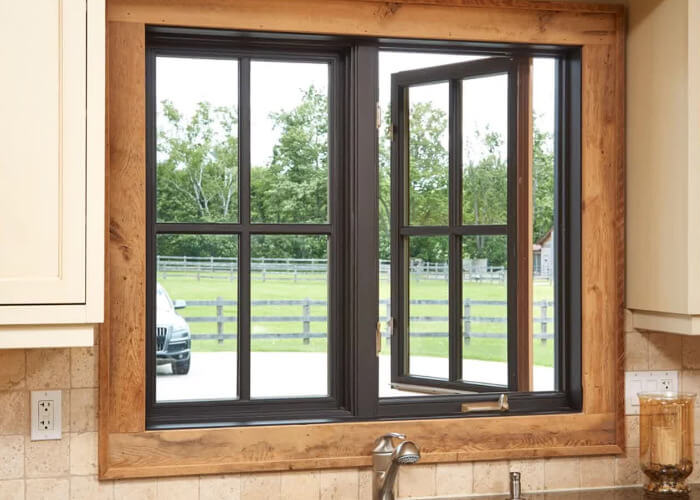
Calculating Window U-Values: Frame vs. Glass Thermal Contribution
Understanding how frame surface ratio, polyamide width, and Low-E glass selection impact whole-window thermal transmittance.
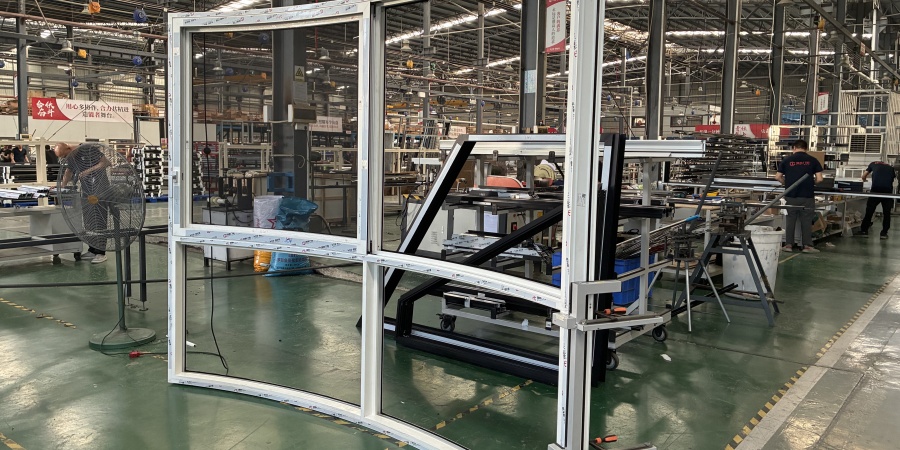
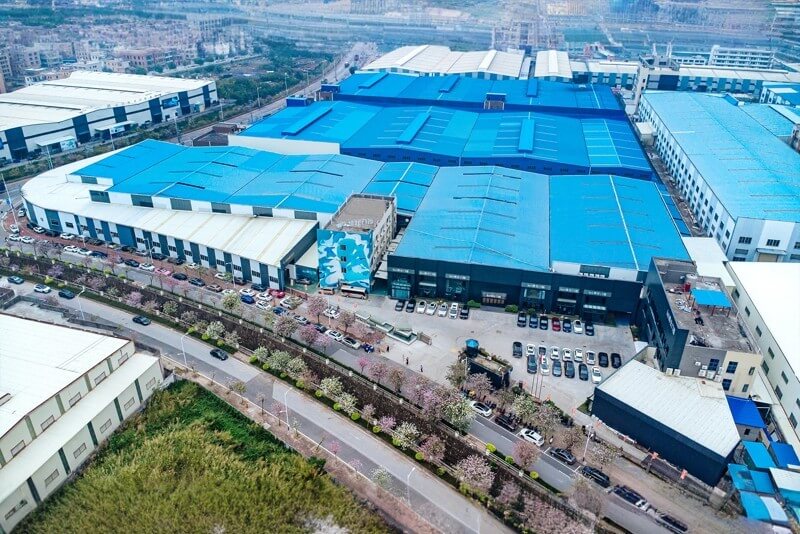
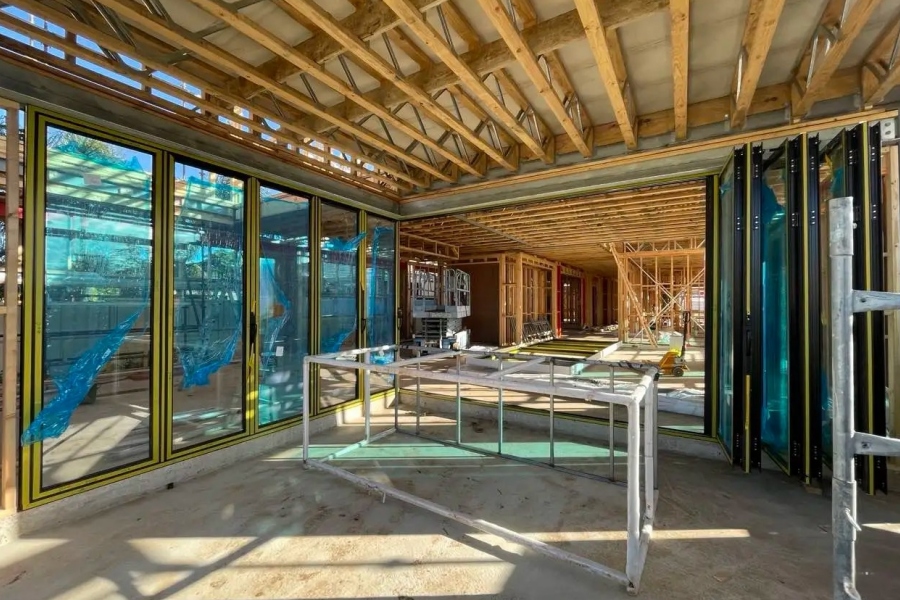
An authoritative technical breakdown for global architects, real estate developers, and commercial procurement officers seeking OEM/ODM custom thermal break aluminum glazing systems engineered in Foshan, China.
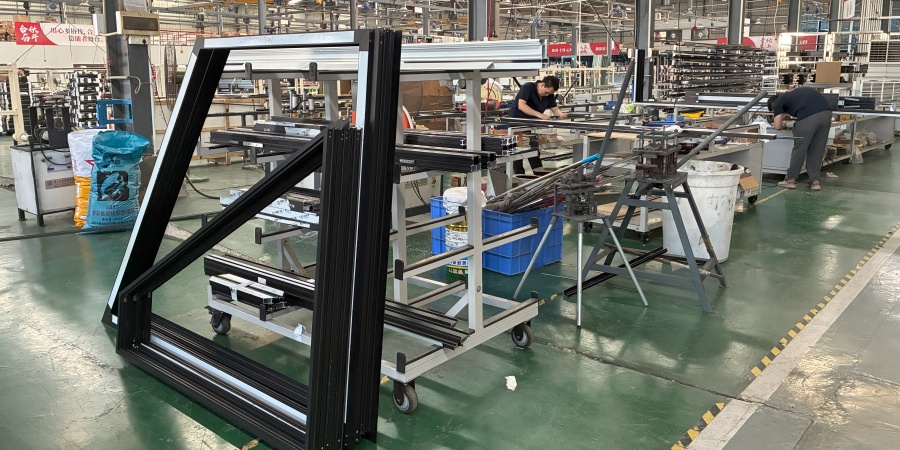
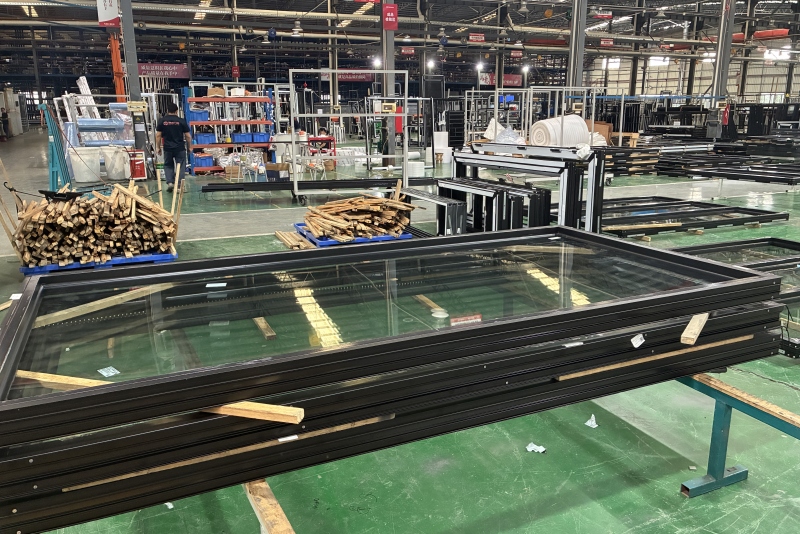
Modern architectural standards demand envelope systems that drastically reduce conductive heat transfer while maintaining structural resilience under high wind loads. Standard solid aluminum profiles, while physically robust, exhibit high thermal conductivity ($k \approx 200\text{ W/m}\cdot\text{K}$). Thermal Break Aluminum Windows solve this thermal bridging vulnerability by mechanically crimping a low-conductivity structural polyamide strut—specifically Polyamide 66 reinforced with 25% glass fiber (PA66 GF25)—between the interior and exterior aluminum extrusions.
At Foshan Derka Architectural Doors & Windows Co., Ltd., our engineering department designs extruded aluminum profile walls ranging from 1.4 mm for standard residential windows to 2.0 mm–3.0 mm for heavy-duty commercial curtain walls and hurricane-rated assemblies. By incorporating multi-cavity PA66 thermal barriers combined with insulated glass units (IGUs) featuring warm-edge Technoform spacers and Argon gas fill, our window assemblies achieve U-factors as low as 0.80 to 1.20 W/m²K (U-0.14 to U-0.21 BTU/h·ft²·°F), easily exceeding passive house and stringent local energy codes worldwide.
Selected product configurations engineered for high thermal performance, structural integrity, sound attenuation, and water tightness in luxury residential villas, multi-family housing, and commercial developments.
High PerformanceEngineered with side-hinged outward or inward swinging sashes. Features German Siegenia/GU multi-point lock hardware that compresses sash against continuous dual EPDM gaskets for exceptional water tightness and security.
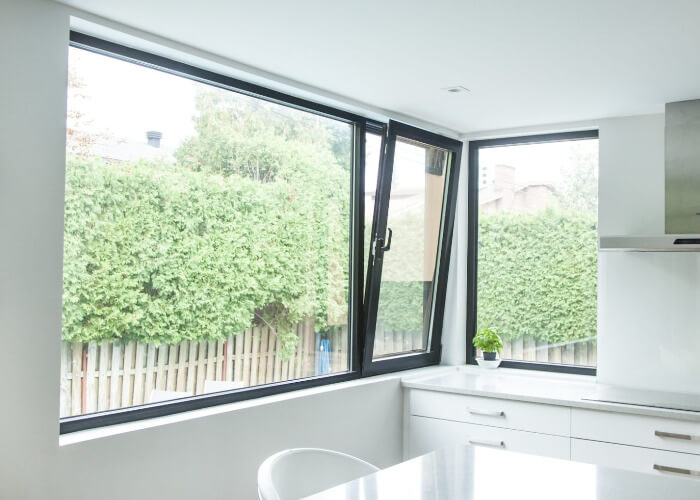 European Standard
Dual-action operating mechanism: tilt top inward for draft-free secure ventilation, or turn horizontally 90 degrees for complete opening and easy glass cleaning. Ideal for mid-rise and high-rise apartment towers.
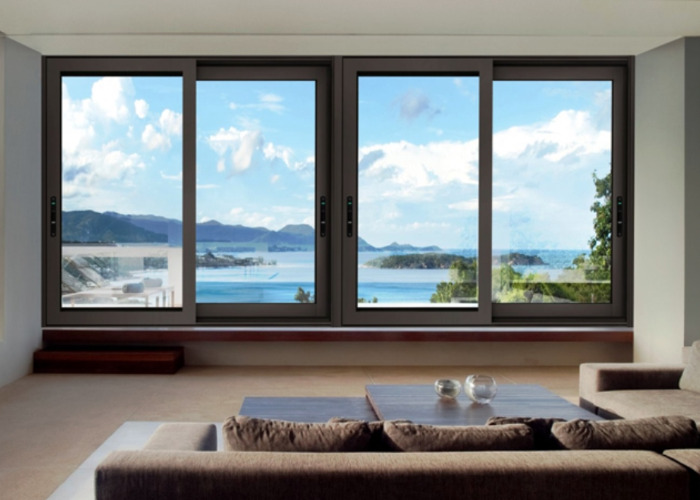 Space-Saving
Featuring heavy-duty stainless steel quad rollers and heavy-load tracks. Delivers seamless horizontal glide for wide spans without sacrificing thermal insulation or structural resistance to high wind pressure.
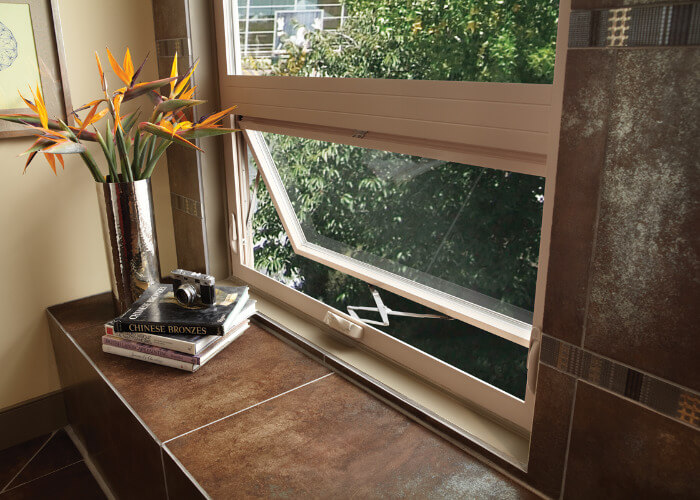 Weather Proof
Top-hinged sash opens outward from the bottom, creating a natural rain-shield that permits ambient ventilation even during heavy rainstorms. Widely specified in high-moisture tropical and coastal projects.
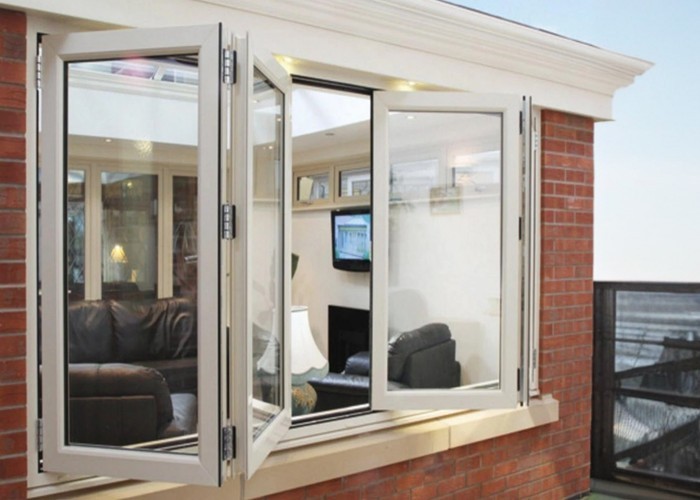 Panoramic Opening
Multi-panel bi-folding system that collapses neatly to one side, offering uninterrupted wide-span architectural openings for residential kitchens, hotel servery bars, and luxury patio transitions.
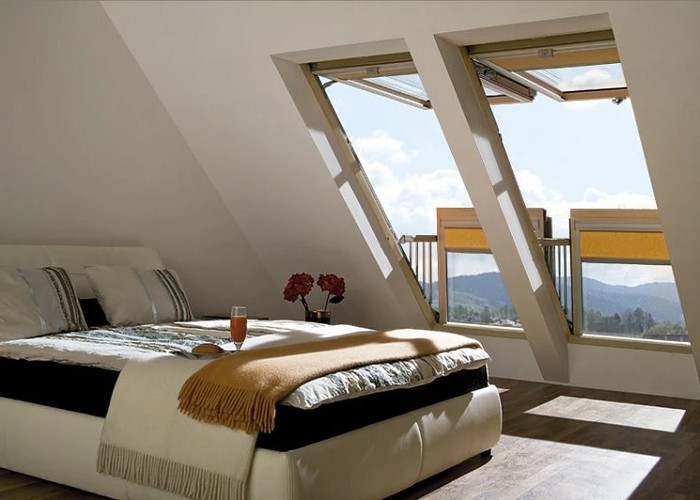 Daylight Glazing
Engineered roof glazing systems constructed with thermally isolated extruded aluminum mullions, built-in drainage channels, and laminated safety glass to prevent heat gain while maximizing natural illumination.
Insights for commercial project managers, volume importers, and real estate buyers navigating climate mandates, supply chain transparency, and digital fabrication standards.
Global green building regulations (LEED v4.1, BREEAM, and EU EPBD directives) require verified Environmental Product Declarations (EPDs). Procurement teams are prioritizing factories utilizing hydro-powered recycled aluminum billets (6063-T5) to lower embodied carbon footprint without sacrificing mechanical strength.
Leading B2B buyers now mandate 3D BIM (Building Information Modeling) Revit files and automated CAD shop drawings prior to extrusion cutting. Foshan Derka Architectural Doors & Windows Co., Ltd. integrates digital CAD modeling to eliminate dimensional tolerances on site and streamline architectural approvals.
National energy codes are enforcing sub-1.2 U-factors across North America, Europe, and Australia. B2B buyers are moving away from non-thermal profiles, demanding dual or triple glazing equipped with warm-edge spacers, low-emissivity (Low-E) soft coatings, and inert Argon gas insulation as baseline requirements.
The architectural window sector has evolved from simple hollow metal frames into multi-layered composite engineering systems. Key technological breakthroughs pioneered by Foshan Derka Architectural Doors & Windows Co., Ltd. include:
1. Multi-Cavity Polyamide Thermal Struts: Replacing flat polyamide bars with multi-chamber hollow PA66 GF25 profiles filled with expanded polyolefin (PE) insulation foam. This dramatically restricts radiative heat transfer inside the frame cavity.
2. Advanced PVDF Fluorocarbon Surface Coatings: Utilizing 3-coat/2-bake AkzoNobel or PPG PVDF coatings rated to AAMA 2605 specifications. These coatings guarantee over 25 years of resistance against coastal salt spray, intense UV radiation, chalking, and color fading.
3. Corner Crimping with Two-Component Polyurethane Adhesive: Utilizing automated hydraulic corner crimping combined with injected dual-component German corner adhesives (Chemlok). This ensures structural corner strength, complete water barrier integrity, and perfect 90-degree alignment under heavy wind loads.
Operating from Foshan, Guangdong—the epicenter of global aluminum window extrusion—Foshan Derka Architectural Doors & Windows Co., Ltd. operates a premier 115,000 m² automated manufacturing complex powered by 700+ skilled staff and senior structural engineers.
Chemical analysis of 6063-T5 aluminum and PA66 GF25 profiles.
Computerized cutting and drainage slotting to 0.1mm tolerance.
Knurling, strip feeding, and mechanical crimping of thermal barriers.
Injected corner glue and dual-pin structural assembly.
Automated Low-E IGU sealant application & hardware mounting.
Pressure testing, surface audit, and export crate packaging.
Engineered to meet specific regional building codes across North America, Oceania, Europe, and the Middle East.
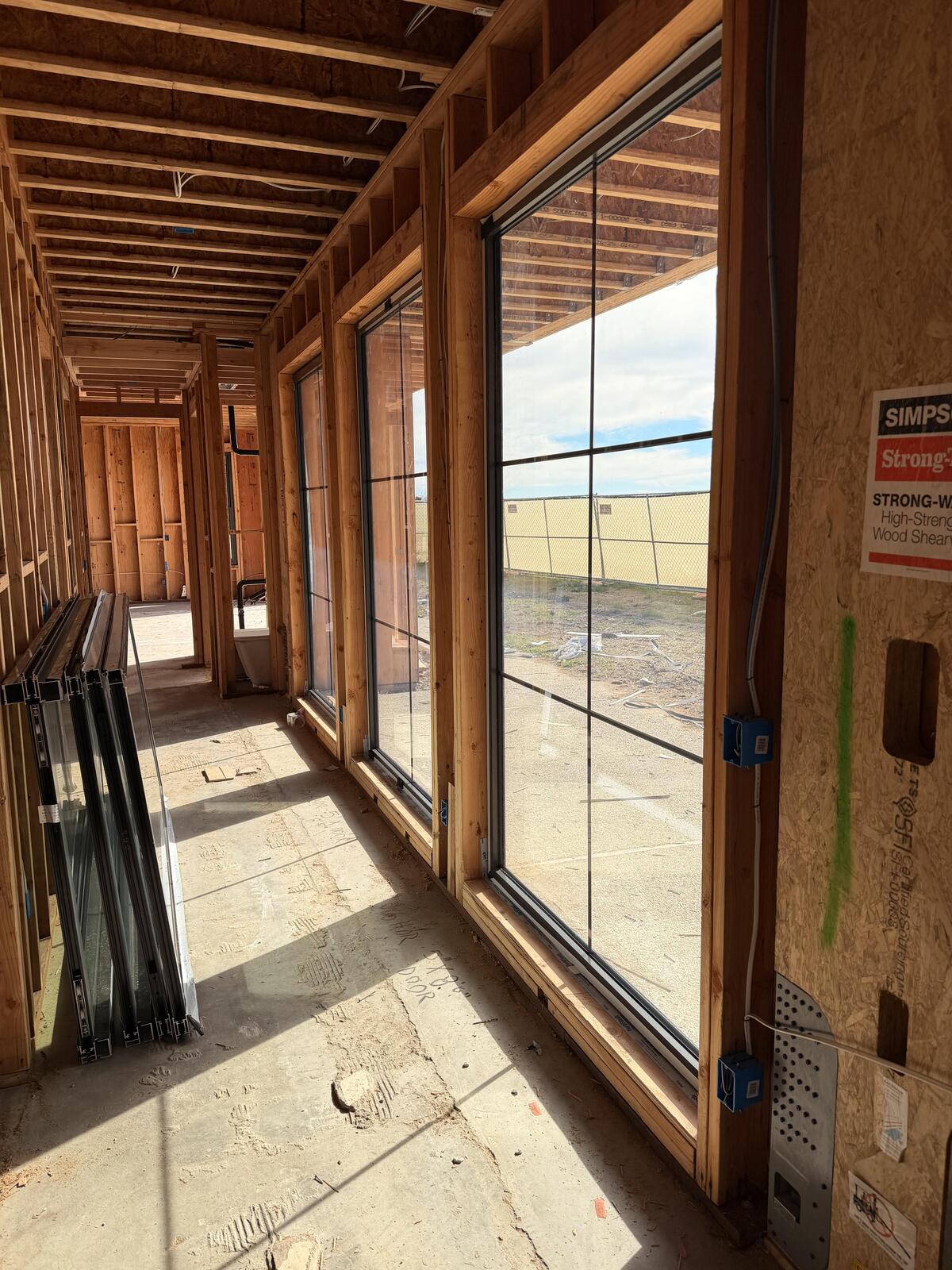
NFRC thermal rating compliance, Title 24 Energy Star standards, and hurricane impact rated laminated glazing.
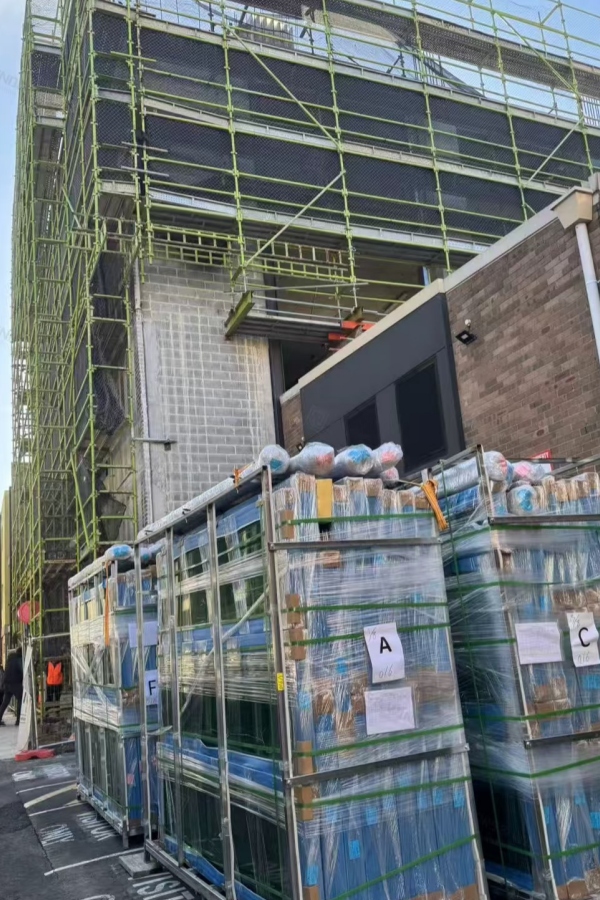
AS2047 and AS1288 certified windows tested for high wind pressure (N6 rating) and BAL-40 bushfire resistance.
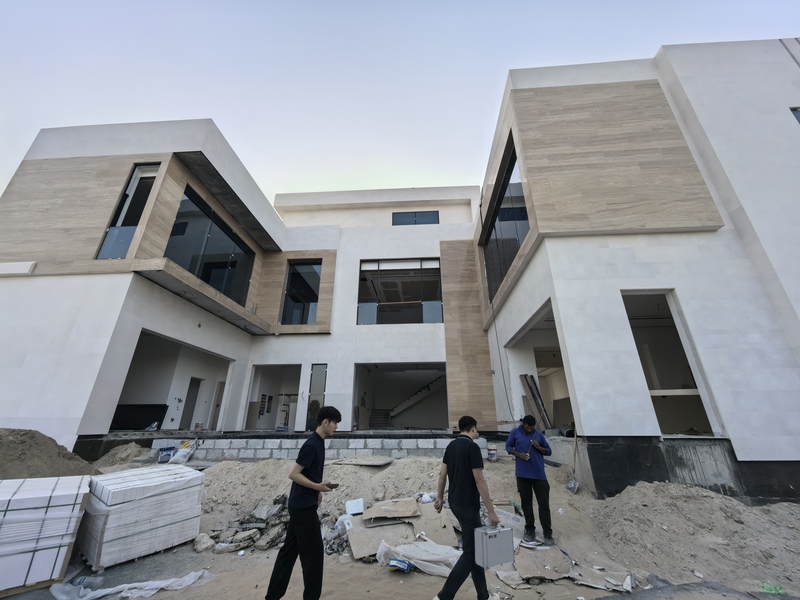
High SHGC heat-reflective double Low-E glazing designed to withstand 50°C desert heat and dust storms.
Typhoon-resistant frame profiles with multi-point stainless steel hardware for humid tropical environments.
CE EN 14351-1 certified tilt & turn window configurations targeting Passive House thermal U-factor metrics.
Direct technical answers from our senior engineering team regarding thermal performance, customization, certifications, logistics, and quality assurance. For custom project inquiries, email us directly at [email protected].
Polyamide (PA66 GF25) strip systems use mechanically crimped structural nylon bars reinforced with 25% glass fiber. This method creates dual separate inner and outer aluminum profiles, offering superior mechanical shear strength, higher thermal insulation (lower U-value), structural capacity for large architectural glass panes, and dual-color frame customization (e.g., black exterior, white interior). Pour & Debridge uses a liquid polyurethane resin poured into a single channel; while effective, polyamide strip technology is the global gold standard for commercial and high-end residential thermal break aluminum windows.
Foshan Derka Architectural Doors & Windows Co., Ltd. combines engineered multi-chamber polyamide thermal breaks (up to 34mm barrier width) with high-specification insulated glass units (IGUs). We specify Low-E coatings (such as PPG Solarban 60/70), warm-edge Technoform composite spacers, and 90%+ Argon gas fill. Our complete window assemblies undergo thermal simulation (THERM/WINDOW software) and physical laboratory testing to deliver certified overall U-factors from 0.8 to 1.4 W/m²K, easily passing NFRC, Energy Star, and AS2047 performance thresholds.
As a direct OEM/ODM manufacturer, every order is tailored to your construction drawings. Frame finishes include AkzoNobel PVDF powder coating (AAMA 2605 standard, 25-year warranty), anodized finishes (up to 25 microns), and architectural wood-grain thermal transfer coatings. Glazing options include double/triple insulated glass, laminated acoustic glass, tinted/reflective glass, bullet-resistant glass, and integrated motorized blinds inside the IGU cavity.
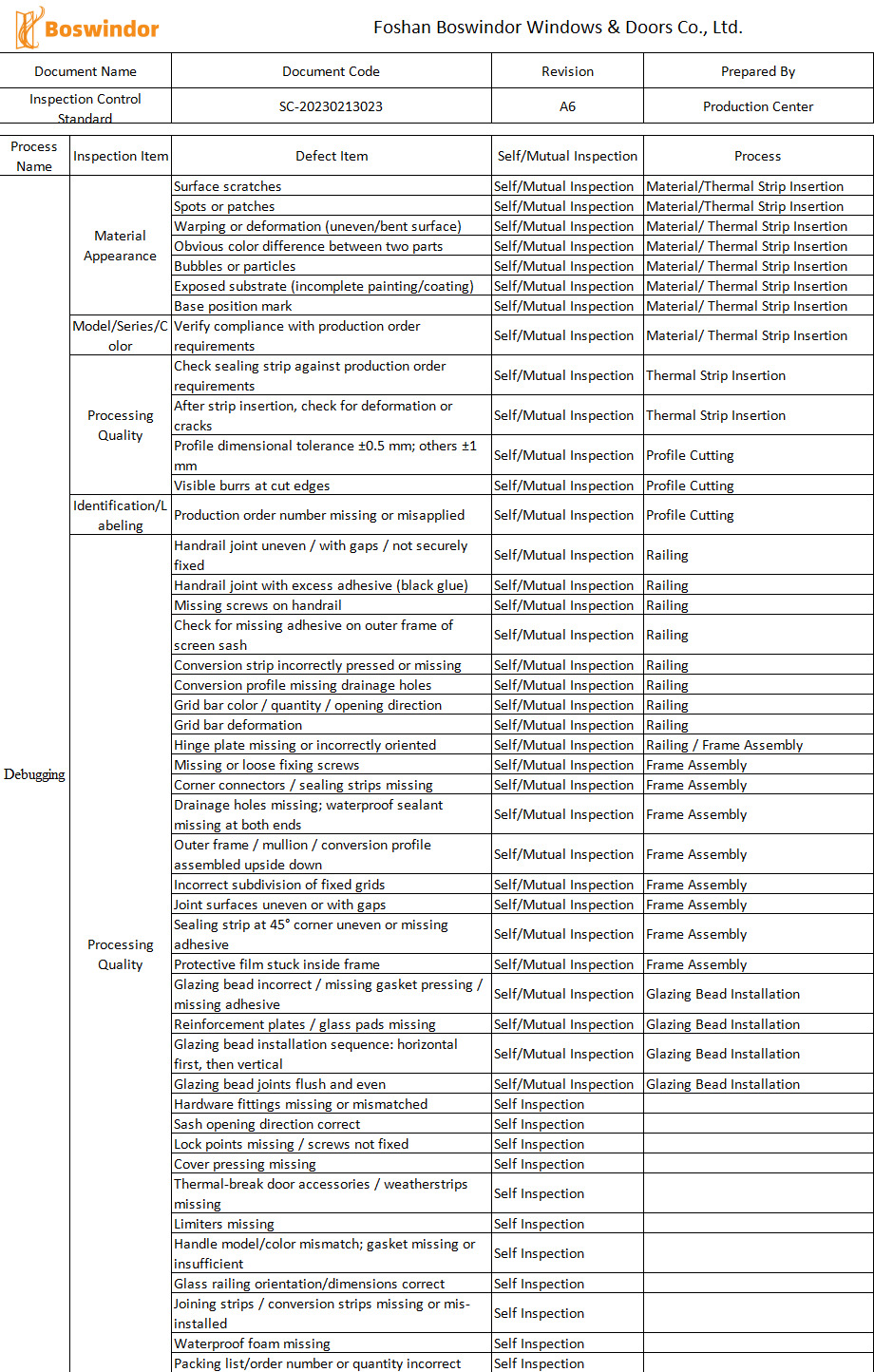
Our 44-point quality control protocol spans four main stages: 1) Raw Material Audit (alloy hardness, anodizing thickness, PA66 strip tensile strength); 2) Machining Precision (CNC cutting tolerance within ±0.5mm, 45° corner crimping alignment); 3) Sealed Assembly Audit (dual-component corner sealant injection, EPDM gasket continuity, hardware torque and smooth latching); and 4) Final Testing (water penetration spray testing, structural wind pressure load, air infiltration leakage, and protective film wrapping).
Windows are wrapped in scratch-resistant protective film, fitted with heavy-duty EPDM corner protectors, and fully encased in waterproof foam wrap. Entire units are then secured inside fully enclosed, ISPM-15 compliant fumigated plywood crates or steel-framed export A-frames. Every crate is uniquely labeled with project name, floor level, window tag ID, and opening orientation to facilitate organized unloading on site.
Our standard production lead time is 25–35 calendar days following shop drawing approval. We accommodate project MOQs starting from single villa custom packages up to large commercial multi-container developments. Our engineering team prepares detailed CAD shop drawings (including elevation, section cuts, structural anchor details, and glass schedules) within 3–5 working days upon receiving your architectural floor plans or CAD files.
In-depth engineering resources curated by our technical directors.
Understanding how frame surface ratio, polyamide width, and Low-E glass selection impact whole-window thermal transmittance.
A step-by-step checklist for importers verifying test reports, factory audit credentials, and customs compliance.
Send your architectural project drawings to our engineering team for instant technical feedback and detailed quotation.
Connect with our technical engineering sales desk for full product catalogs, CAD drawing support, sample requests, and competitive direct-factory pricing.