0%

Selecting an Aluminum Exterior Door supplier is not just a matter of comparing sleek profiles or catalog prices. A door must suit its building, climate, opening size, and daily use. In coastal locations, salt air can challenge finishes and hardware. In busy entrances, repeated cycles test hinges, locks, and frame stability. Small details matter.

Building-science expert Dr. Joseph Lstiburek is often quoted as saying, “Windows are holes in the wall.” The same idea offers a useful check for exterior doors: the opening and its surrounding assembly deserve as much attention as the product itself. A narrow frame may look elegant, but installation, drainage, thermal performance, and weather seals still shape long-term results. Looks are not the whole story.

This guide surveys ten suppliers serving markets around the world. It considers product range, customization, documented performance, manufacturing capabilities, warranty clarity, and support after delivery. These factors can help architects, contractors, and buyers form a practical shortlist, but no ranking fits every project. Supplier information can also change, and public specifications do not reveal every factory or service condition. Readers should verify current product data and request project-specific evidence. A polished brochure is useful, but it is not a site inspection.
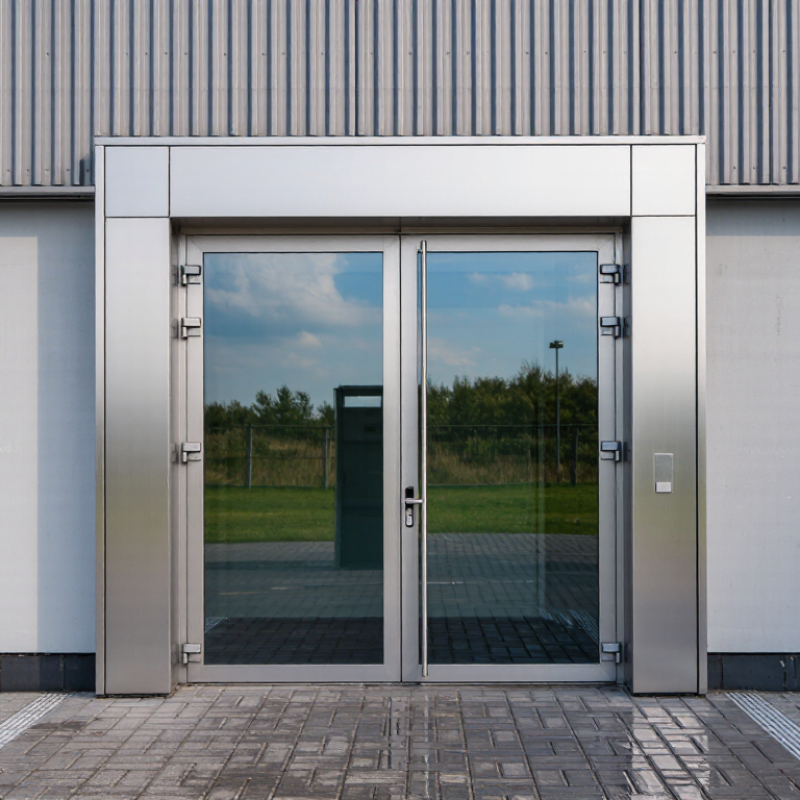
Top 10 Aluminum Exterior Door Suppliers Worldwide

Scope and Role of Aluminum Exterior Door Suppliers

Aluminum exterior door suppliers do more than sell frames. They translate opening dimensions, weather exposure, security needs, and accessibility requirements into complete door assemblies. Their scope may cover profiles, thermal breaks, glazing, hardware, seals, finishes, fabrication drawings, and performance testing. Reliable suppliers also clarify installation details and provide maintenance guidance. Installation still matters. A precise specification can fail when sill drainage or perimeter sealing is poorly executed.

The International Aluminium Institute estimates that more than 75% of all aluminum ever produced remains in use. This supports aluminum’s potential for long service life and material recovery, but it does not prove that every finished door is recyclable. Buyers should check recycled-content declarations, finish durability, and documented air, water, and structural test results for the exact configuration. Generic catalogue figures may not match the selected size, hardware, or glazing. That difference is easy to overlook.

Tips: Ask suppliers for project-specific drawings and test documentation. Confirm who handles site measurements, delivery protection, and installation support. Compare complete assemblies, not frame prices alone. A little awkward, perhaps, but written responsibilities prevent costly gaps later.

Criteria for Comparing Suppliers Across Global Markets

Comparing aluminum exterior door suppliers across global markets requires more than checking frame prices. Request test reports for the exact door configuration, including glazing, hardware, and seals. Compare thermal transmittance, air leakage, water resistance, and wind-load performance under comparable test methods. A high-performance frame can still fail when poorly installed. Check coating thickness, corrosion resistance, hardware replacement options, and warranty exclusions. Ask whether test results come from an independent laboratory.

Environmental claims also need evidence. The International Energy Agency’s Aluminium report estimates that aluminum production contributes around 2% of global emissions. The International Aluminium Institute’s aluminium recycling guidance says recycled aluminum requires about 5% of the energy used to produce primary aluminum. Compare documented recycled content, environmental product declarations, and material traceability. Numbers need context. Recycled content alone does not reveal the energy source or transport footprint.

Supplier capacity matters just as much as product data. Check production lead times, packaging suitable for long-distance shipping, replacement-part availability, and clear technical documents in usable units. Confirm that stated certifications and test methods are recognized in the destination market. A glossy sample can mislead. Reports cannot fully reproduce a coastal site, installation quality, or years of daily use, so request project references with similar exposure and climate.

Top 10 Aluminum Exterior Door Suppliers Worldwide - Criteria for Comparing Suppliers Across Global Markets

Comparison guide: The entries below describe supplier-market profiles, not named or independently ranked companies. Capabilities vary by manufacturer and project. Confirm product-specific test reports, certifications, specifications, pricing, and lead times directly with each supplier.

No. Supplier Market Profile Common Sourcing Fit Key Comparison Criteria Performance Evidence to Request Relevant Market Requirements to Check Main Due-Diligence Point
1 China Broad product selection and export-oriented project sourcing. Fabrication capacity, hardware options, finish consistency, packaging, and export documentation. Test reports for the exact door configuration; air, water, structural, thermal, and finish data as applicable. Destination-country building codes, product testing, labeling, and import requirements. Verify that samples and test reports match the production profile, glass, hardware, and dimensions.
2 India Project-based fabrication and customized configurations for domestic or export orders. Engineering support, dimensional accuracy, finish options, production controls, and shipment planning. Configuration-specific test evidence and documented quality checks for finished units. Applicable local or destination-market standards; confirm which standards apply to the project. Clarify scope of supply, installation responsibility, packaging, and responsibility for export compliance.
3 Türkiye Export-oriented architectural products serving nearby and international markets. Export experience, delivery terms, finish durability, hardware compatibility, and project coordination. Product-level air, water, structural, and thermal performance reports for the quoted configuration. Destination-market conformity assessment, documentation, and customs requirements. Confirm test-lab accreditation, report validity, and whether the report covers the selected size and opening type.
4 Germany Projects requiring detailed technical documentation and performance-focused specification. Thermal-break design, documented system performance, tolerances, and traceability of components. Declared product performance and test evidence for the complete door assembly, not profile data alone. For EU projects, check applicable requirements including EN 14351-1 and current national rules. Check that declared values apply to the specified frame, glazing, hardware, size, and threshold.
5 Italy Design-led projects with emphasis on finishes, detailing, and architectural coordination. Finish samples, color matching, sightlines, hardware choices, and bespoke detailing capability. Door-assembly test reports, finish specifications, and documented maintenance guidance. For EU projects, verify applicable product and building requirements, including EN 14351-1 where relevant. Approve a production-representative finish sample and define acceptable color and gloss tolerances.
6 Poland EU-based sourcing for residential and commercial projects with defined technical specifications. EU documentation, manufacturing consistency, delivery scheduling, and coordination with project drawings. Applicable declarations and performance evidence for the complete product configuration. Check EU and destination-country requirements; EN 14351-1 may be relevant for external pedestrian doorsets. Confirm installation tolerances, site measurement process, and responsibility for any rework.
7 Spain Architectural projects where solar exposure, ventilation, and finish selection are important considerations. Solar-gain requirements, shading or glazing options, weather seals, and exterior finish suitability. Thermal and weather-performance evidence for the complete specified door assembly. Check applicable EU product rules and national building-code requirements for the installation location. Specify exposure conditions and confirm that the selected finish and hardware suit the project environment.
8 United States Domestic projects needing coordination with local building codes, installation practices, and regional delivery. Code-approved configurations, product testing, service coverage, and compatibility with project specifications. Applicable product test reports, energy-performance documentation, and evidence for required design pressures. Check adopted local codes and applicable standards; NFRC ratings may be relevant to energy-performance claims. Confirm approvals for the exact configuration and the project’s wind, water, and energy requirements.
9 Canada Projects requiring attention to cold-weather performance and regional code requirements. Thermal performance, condensation management, weather seals, and availability of service or replacement parts. Thermal data and relevant air, water, and structural testing for the door assembly. Check the applicable provincial or territorial code and referenced Canadian product standards. Review threshold details, installation requirements, and performance under the project’s climate conditions.
10 Australia Projects requiring alignment with Australian building regulations and local climate or exposure conditions. Weather performance, glazing specification, hardware durability, and suitability for the site’s exposure. Test documentation for the supplied doorset and evidence relevant to the project’s required performance class. Check the National Construction Code and applicable Australian standards, including AS 2047 where relevant. Verify that test evidence covers the required configuration and exposure conditions for the installation site.

Before placing an order, compare like-for-like quotations covering aluminum alloy and profile details, thermal break, glazing, hardware, finish, tested size, packaging, warranty, delivery terms, and installation scope. Standards and code requirements depend on the destination and project; confirm current requirements with the relevant authority or qualified project professional.

Profiles of Ten Notable Worldwide Suppliers

Profiles of Ten Notable Worldwide Suppliers

A useful supplier profile starts with evidence, not polished catalog photographs. The International Aluminium Institute reported roughly 70.6 million tonnes of global primary aluminium production in 2023, indicating a large but varied supply base. The GlobalABC 2023 Buildings and Climate Global Status Report attributes about 37% of energy- and process-related carbon emissions to buildings and construction. That makes thermal breaks, glazing compatibility, and documented product performance important questions. A neat ranking still hides trade-offs.

European system designers often emphasize tested thermal and acoustic assemblies; Scandinavian fabricators commonly tailor doors to cold, wet conditions. German engineering-led suppliers tend to offer detailed specifications, while Italian makers often prioritize slim sightlines and custom finishes. North American fabricators may provide project-specific sizing and heavy-duty hardware. East Asian manufacturers can serve high-volume projects with broad finish options. Japanese suppliers are often associated with precise fabrication. Chinese integrated producers may combine extrusion and assembly. Indian project suppliers can adapt configurations for varied building types. Middle Eastern suppliers frequently address intense sun and dust exposure.

Details matter. Ask each supplier for test reports tied to the exact door configuration, not a similar model. Check frame depth, threshold drainage, gasket replacement, and hardware availability. Regional reputation alone is not proof. Lead times, installation support, and finish consistency deserve equal scrutiny; even a strong product can disappoint when site measurements are rushed. One honest limitation: public data rarely compares these suppliers on a like-for-like basis.

Product Ranges, Manufacturing Methods, and Certifications

Aluminum exterior door suppliers differ less by catalog size than by how well their systems suit a building’s exposure, opening size, and traffic. Useful product ranges include hinged entry doors, sliding patio systems, folding panels, and thermally broken frames. Compare frame depth, threshold height, glazing options, hardware, and finishes. These details affect weather sealing and daily operation. A coastal project may need corrosion-resistant fasteners and durable powder coating; a sheltered entrance may prioritize slim sightlines. Small choices show up every rainy season.

Manufacturing methods matter as much as the catalog. Extruded profiles are cut, machined, joined, and finished; corner construction and gasket placement can influence air and water performance. Ask how suppliers control tolerances, inspect joints, and protect profiles during shipment. Certification claims need checking. Request current test reports for the complete door configuration, not just an isolated frame or glass unit. Depending on the market, evidence may cover air leakage, water penetration, structural pressure, thermal performance, and quality-management systems. Standards differ by region, and a certificate cannot guarantee careful installation. That distinction is easy to miss.

Factors to Consider When Selecting a Supplier

A dependable aluminum exterior door supplier should match the opening, climate, and daily use—not just offer an attractive catalog. Ask for performance data tied to the exact door configuration, including glazing, frame depth, seals, and hardware. A thermal rating from a different model may not reflect your project. Request references for installations with similar wind exposure, traffic, and finish requirements.

Look closely at how the supplier controls production. Ask how frame dimensions, corner joints, drainage paths, and coating thickness are checked. Details matter. A sample corner or finished section can reveal rough edges, uneven color, or loose seals before a large order is made. Confirm packaging methods, too; damaged finishes often begin during handling or transport, not manufacturing. Testing documents are useful, but check that they identify the tested product and method.

Communication and support deserve equal attention. Ask who reviews shop drawings, how design changes are recorded, and what replacement parts remain available. Confirm realistic lead times in writing, including approval and shipping stages. A factory visit or live production review may help verify capacity, though neither guarantees consistent quality. It is easy to overvalue a polished sample; ask how routine inspections catch defects across an entire batch. No supplier is perfect, so clarify how issues are documented and resolved before placing an order.

Top 10 Aluminum Exterior Door Supplier Selection Factors

This chart groups ten practical supplier checks by evaluation area. The bars show the number of checks in each group, not survey results or a supplier ranking.

  • Thermal performance
  • Air and water tightness
  • Wind-load and structural performance
  • Acoustic performance
  • Certifications and test reports
  • Material and finish durability
  • Quality control and warranty
  • Customization and engineering support
  • Production capacity and lead times
  • Installation and after-sales service

Compare documented test results, applicable local building-code requirements, production capabilities, warranty terms, and support services before selecting a supplier.

FAQS

What performance data should I request for an aluminum exterior door?

Request test reports for the exact door configuration, including glazing, frame depth, seals, and hardware. Similar models may perform differently.

How can I check whether a door suits my local climate?

Match its tested performance to local wind, rain, temperature, and sun exposure. Ask for references from buildings facing similar conditions.

What production details are worth checking before ordering?

Ask how the supplier checks frame dimensions, corner joints, drainage paths, and coating thickness. Details matter.

Can a sample help reveal quality problems?

Yes. Inspect a finished section for rough edges, uneven color, and loose seals. One sample cannot represent every door in a batch.

What should I confirm about delivery and lead times?

Get written estimates covering approvals, production, and shipping. Ask how doors are packaged, since handling damage can spoil a finish.

How important is installation and design support?

Ask who reviews shop drawings and records design changes. Confirm how replacement parts are supplied. Support can vary.

Do regional supplier strengths guarantee a good fit?

No. Some suppliers focus on cold-weather assemblies, custom finishes, or high-volume production. Regional reputation alone proves little.

How can I compare suppliers fairly?

Compare the same door configuration, test methods, finish requirements, and service terms. Public comparisons are limited, so some judgment remains.

Conclusion

This overview explains the role of Aluminum Exterior Door suppliers in serving residential, commercial, and architectural projects worldwide. It outlines how suppliers can differ in product specialization, production capacity, customization options, quality controls, and ability to support projects across varied climates and design requirements. It also introduces ten notable supplier profiles as a way to illustrate the breadth of the global market, without treating any one company as the right choice for every project.

The comparison considers product ranges, manufacturing methods, and relevant certifications, alongside practical factors such as material performance, finish options, lead times, technical support, and after-sales service. When selecting a supplier, buyers should match these capabilities to project specifications, budget, location, and expected service life. A careful review of documented product information and communication practices can help create a reliable shortlist and support an informed purchasing decision.

Clara

Clara

Clara is a dedicated marketing professional and a trusted voice behind the company’s growing library of expert blog content. With a strong understanding of the company’s products, services, and customers, she transforms complex information into practical, engaging, and easy-to-understand insights.......