0%

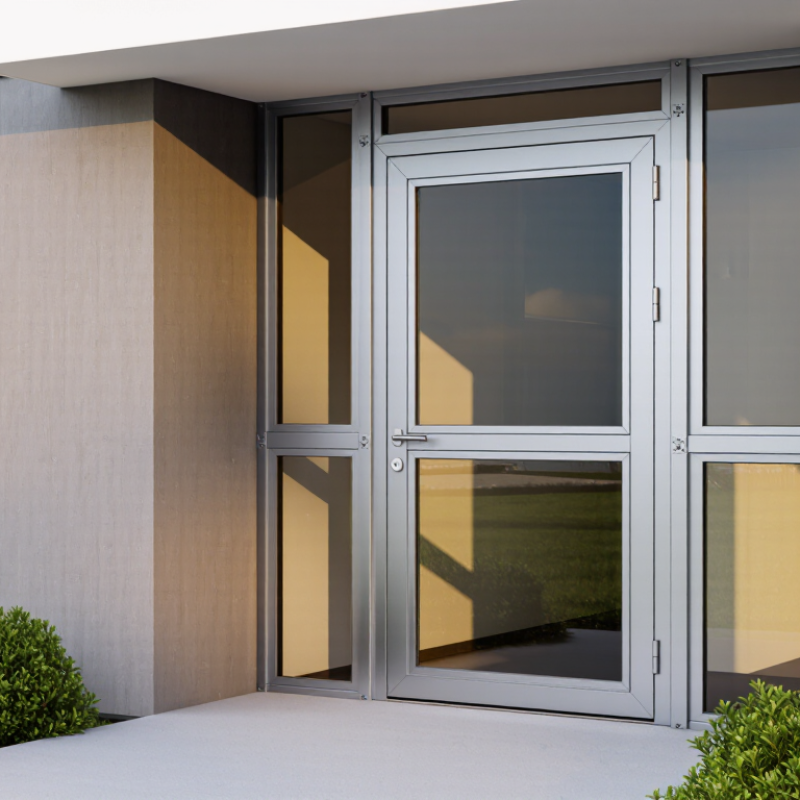
A front door faces rain, afternoon sun, temperature swings, and daily traffic. An Aluminum Residential Door can offer a clean, modern look with a frame that resists corrosion and needs relatively little upkeep. Yet material alone does not guarantee comfort. Glass choice, weather seals, installation, and thermal breaks all affect performance. Details matter.

There is a useful sustainability figure, too. The Aluminum Association reports that recycling aluminum uses about 95% less energy than producing primary aluminum. That is an industry-wide comparison, not a claim that every door is recycled or has a low life-cycle impact. Ask about recycled content and local end-of-life options. Small details count.

Performance also deserves a closer look. The AAMA/WDMA/CSA 101/I.S.2/A440 standard evaluates products for factors such as air leakage, water penetration, and structural performance. A door’s tested rating can help homeowners compare products, but only when the rating fits the home’s exposure and climate. A sheltered porch and a wind-exposed entrance are not the same job. The U.S. Department of Energy also advises checking the whole door assembly, including its frame and seals, when assessing energy performance. Aluminum can be a strong choice, but it is not automatically the best one. Compare certified ratings, examine the thermal-break design, and check the warranty before deciding. Sometimes the less glamorous seal is the part that makes the room feel warmer.
Why Choose Aluminum Residential Doors for Your Home?

How Aluminum Residential Doors Are Made and Classified

Why Choose Aluminum Residential Doors for Your Home?

An aluminum residential door begins as an extruded profile, shaped to form its frame and sash. Fabricators cut the sections to size, machine openings for locks and hinges, then join the corners. The joints need to be square and secure. Even a small alignment error can make a door drag or leave an uneven gap.

Many insulated designs use a thermal break: a polyamide strip separates the inner and outer aluminum sections. This reduces heat transfer, though the full result also depends on the glass, seals, and installation. Gaskets are fitted around the frame, and glazing is secured with suitable beads. Finishes often include powder coating or anodizing. Look closely at corners and drainage paths; those details are easy to overlook. That matters.

Doors are also classified by operation and construction. Hinged models swing inward or outward, while sliding models move along a track. Some are thermally broken; simpler profiles may not be. Glazing can be single, double, or triple, depending on the design and climate needs. Not always. A heavier glass unit may improve insulation, but it also needs compatible hardware and careful support. Ask for clear specifications on frame type, glazing, seals, and tested performance. A brochure alone may not reveal how smoothly the installed door will operate.

Thermal Efficiency: Comparing NFRC U-Factor and Air-Leakage Ratings

An aluminum residential door can feel solid, but its frame may conduct heat unless it includes a thermal break. Check the whole-door U-factor, not just the glass. The National Fenestration Rating Council (NFRC) defines U-factor as a measure of heat transfer; lower values indicate better insulation. Its certified ratings help compare products on a consistent basis. The U.S. Department of Energy’s Energy Saver guidance estimates that windows account for 25–30% of residential heating and cooling energy use. Doors are not windows, but the figure shows why a leaky opening deserves attention.

Air leakage tells a different story. It measures air passing through joints and seals, commonly in cubic feet per minute per square foot at a stated test pressure. Lower is tighter. A low U-factor cannot compensate for a poorly fitted sweep or compressed weatherstripping. Small gaps matter. Ask for the door’s tested air-leakage result and test conditions, then compare like with like. NFRC ratings focus on energy performance, while air leakage is generally reported separately under fenestration test standards. This distinction is easy to miss.

In a home, watch for a cold draft near the threshold on a windy day. That is useful evidence, not a laboratory rating. Installation quality, frame alignment, and worn seals can change real-world performance. Aluminum doors with thermal breaks may balance durability and thermal control, but the label alone cannot promise comfort. Check both ratings, the threshold detail, and the installer’s fit.

Finish Durability: AAMA 2605’s 10-Year South Florida Weathering Test

Aluminum residential doors can handle daily use, but their finish faces years of sun, rain, humidity, and airborne salt. AAMA 2605 is a performance specification for high-quality coatings on architectural aluminum. Its weathering evaluation includes ten years of outdoor exposure in South Florida, a demanding environment with strong ultraviolet light and frequent moisture. Test panels are exposed under controlled conditions, then assessed for changes such as fading, chalking, and coating erosion. The point is measurable performance, not a promise that a door will look untouched forever.

That distinction matters. AAMA 2605 applies to the coating system, not automatically to every part of a finished door. Ask whether the specific finish and color were tested to the specification, and check that the door’s edges and hardware are also suited to your conditions. Small details count. Salt can collect near the coast, while grit and harsh cleaners may mark a surface over time. A durable finish reduces worry, but it does not remove the need for occasional gentle cleaning. I would also compare warranty terms with the test claim; they may cover different things. A little skepticism is useful.

Security, Design, and Maintenance Factors for Homeowners

A secure aluminum residential door is more than a strong-looking panel. Its performance depends on the frame, lock, hinges, and installation working together. A 2012 University of North Carolina at Charlotte study of incarcerated burglars found that 34% reported entering through the front door. That finding does not prove aluminum doors are safer, but it highlights why homeowners should check the full assembly. Look for a reinforced frame, a quality deadbolt, and hinges that resist tampering. The latch should engage smoothly, without forcing the handle.

Design choices matter, too. Slim aluminum frames can admit more daylight and suit both modern and traditional homes. For doors with glass, compare glazing options and check how well the frame limits drafts. The U.S. Department of Energy’s Energy Saver guidance says windows account for about 25–30% of residential heating and cooling energy use; that figure is not specific to doors, but it makes glazed-door performance worth reviewing. Ask for documented thermal ratings rather than relying on appearance alone.

Maintenance is usually straightforward, but aluminum is not maintenance-free. Wipe the frame with mild soap and water, clear grit from tracks, and inspect seals after harsh weather. Small details count. Check that water drains away from the sill and that the finish has no chips or peeling. In coastal areas, salt and moisture may call for more frequent rinsing. One drawback: dents can be difficult to repair neatly, so inspect samples and finishes in daylight before choosing.

Why Choose Aluminum Residential Doors for Your Home?

Security, Design, and Maintenance Factors for Homeowners

Aluminum has a typical density of about 2.70 g/cm³, compared with about 7.85 g/cm³ for steel and roughly 0.50 g/cm³ for softwood. These are representative material values, not finished-door weights; alloy, wood species, and construction affect the result. Density alone does not determine security: frame design, reinforcement, locks, and installation matter. Aluminum doors can offer a low-maintenance finish, but periodic cleaning and hardware checks are still advisable.

Sustainability: Aluminum Recycling Uses About 95% Less Energy Than Primary Production

Aluminum residential doors can support a lower-impact home when their materials are considered across their life cycle. Recycling aluminum uses about 95% less energy than producing primary aluminum from ore. That is a substantial difference. It matters because making new aluminum requires energy-intensive processing, while recycled metal can be remelted and formed into new components.

For homeowners, the benefit depends partly on what goes into the door. Ask whether the frame contains recycled aluminum, and look for clear product information rather than assuming every aluminum door has the same footprint. A well-made door may also stay in service for many years, reducing the need for replacement. Check its finish, seals, and maintenance requirements. Small details count. A poorly sealed frame can still allow drafts, even if its material is highly recyclable.

The 95% figure compares energy use for recycled and primary aluminum production; it does not mean a whole door has 95% lower emissions. Results vary with the alloy, manufacturing process, and electricity source. Recycling also relies on effective collection and sorting. That context is easy to overlook. Aluminum’s recyclability is a strong advantage, but it is not a complete sustainability score. Pairing recycled content with good thermal performance and a long service life makes the case more convincing.

Why Choose Aluminum Residential Doors for Your Home? — Sustainability: Aluminum Recycling Uses About 95% Less Energy Than Primary Production
Sustainability Dimension Primary Aluminum Recycled Aluminum What It Means for Homeowners
Energy required to produce aluminum About 100 energy units (comparison baseline) About 5 energy units Recycling can use about 95% less energy than producing aluminum from primary raw materials.
Energy savings Baseline for comparison About 95% lower than the primary-production baseline Using recycled aluminum can reduce the production energy associated with the metal in a door.
Material recovery Requires extraction and processing of primary raw materials Recovered aluminum is sorted, processed, and remelted Choosing aluminum products that can be recovered at end of life supports material reuse.
Recyclability Aluminum can enter recycling systems after use Aluminum can be recycled repeatedly without significant loss of its material properties Local collection and recycling facilities determine whether a particular door or its components are recovered.
Product-specific recycled content Varies by product and manufacturer Varies by product and manufacturer Ask for verified recycled-content information; the recycled content of aluminum doors is not the same for every product.

The energy comparison is an approximate, normalized illustration: primary production is set to 100 units and recycling to about 5 units. Actual energy use and savings vary with production methods, electricity sources, and material quality.

FAQS

How is an aluminum residential door made?

Aluminum profiles are cut to size, machined for locks and hinges, then joined at the corners. Square joints matter.

What does a thermal break do?

A polyamide strip separates inner and outer aluminum sections, reducing heat transfer. Glass and seals also affect insulation.

What door styles are available?

Hinged doors swing inward or outward. Sliding doors move along a track. Check that the hardware suits the door’s weight.

How does glazing affect a door?

Designs may use single, double, or triple glazing. Heavier glass can improve insulation, but needs proper support. Details matter.

What should I inspect before choosing a door?

Ask about the frame, glazing, seals, and tested performance. Look closely at corners, drainage paths, and the fit around the frame.

Does every aluminum door contain recycled material?

No. Ask for clear information about recycled content. The material alone does not tell the whole story.

How much energy can aluminum recycling save?

Recycling aluminum uses about 95% less energy than producing primary aluminum. That figure compares production energy, not a door’s total emissions.

What affects a door’s long-term environmental impact?

Recycled content, manufacturing methods, electricity sources, and service life all matter. Good seals help reduce drafts. I would still check the maintenance details.

Conclusion

An Aluminum Residential Door is made by shaping aluminum profiles into frames and panels, then combining them with glazing, seals, hardware, and protective finishes. Door types can vary by opening style, panel design, and level of thermal performance. When comparing options, homeowners can review NFRC U-factor ratings, which indicate heat transfer, alongside air-leakage ratings that show how well a closed door limits drafts. These measures help assess comfort and energy performance in different climates.

Durability, security, appearance, and upkeep also matter. AAMA 2605 provides a demanding finish-performance benchmark that includes a 10-year South Florida weathering test, offering useful context when evaluating coating resistance to exposure. Strong hardware, suitable glazing, and careful installation can contribute to home security, while aluminum’s design flexibility supports a range of architectural styles. Routine cleaning and inspection help maintain performance. Aluminum is also highly recyclable, and recycling it uses about 95% less energy than producing primary aluminum, making it a resource-conscious material choice.

Clara

Clara

Clara is a dedicated marketing professional and a trusted voice behind the company’s growing library of expert blog content. With a strong understanding of the company’s products, services, and customers, she transforms complex information into practical, engaging, and easy-to-understand insights.......