Featured Architectural Entrance Systems
Explore our premier collection of CE-marked, engineered entrance doors. Designed for extreme structural integrity, weather sealing, and modern architectural aesthetics.
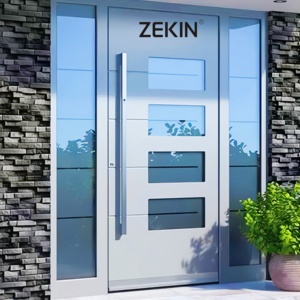
ZEKIN Aluminum Front Entry Exterior Pivot Door with AI Lock
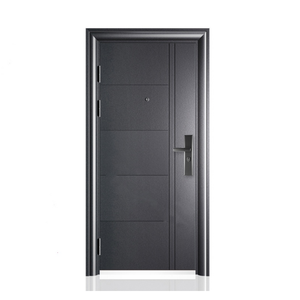
Anti Theft Security Front Entry Steel Armored Door for Villas
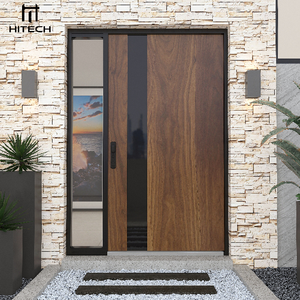
Modern American Design Large Exterior Entrance Security Pivot Door
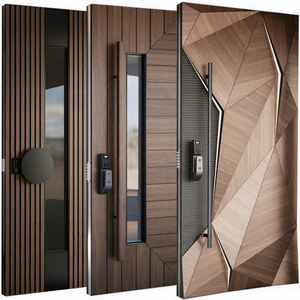
High-End Custom Cast Aluminum Entry Door with Smart Lock System
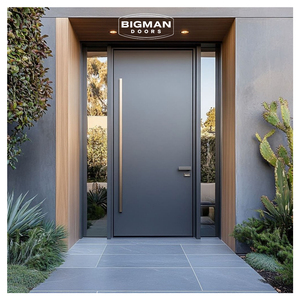
British Minimalist Dark Grey Heavy Metal Anti-Theft Pivot Door
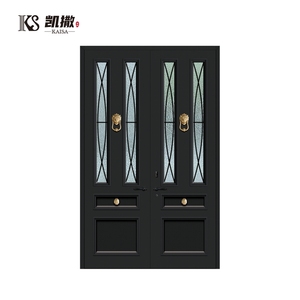
Custom Exterior High Security Aluminum Alloy Entrance System
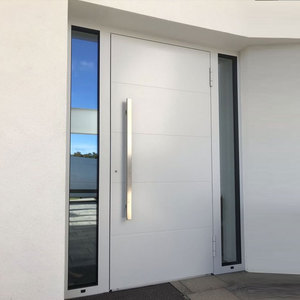
Villa Apartment Modern White Flat Panel Glazed Front Entry Pivot Door
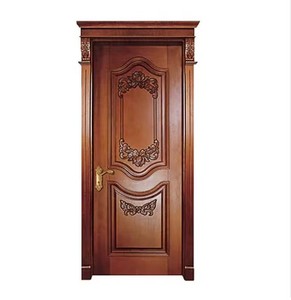
Antique Villa Style Solid Teak Carving Panel Decorative Entry Door
Global Manufacturing Capability & Verification Metrics
Based in Foshan, China, our specialized production ecosystem fulfills rigorous international building codes across 120+ destination countries.
Architectural Engineering of CE Certified Luxury Glass Entrance Doors
In modern high-end architectural design, the entrance door is no longer merely a point of egress; it represents the primary structural shield and thermal boundary of the building envelope. As global energy frameworks evolve toward Zero Energy Buildings (ZEB) and passive house standards, luxury glass entrance doors have undergone a technological revolution. Sourcing certified glass entry solutions requires understanding the mechanics of thermal barriers, acoustic attenuation, structural loads, and compliance frameworks.
Thermal Dynamics & Low-E Glazing Systems
Architectural glass entrance doors utilize multi-cavity insulated glass units (IGUs) infused with Argon gas. Integrated with Low-Emissivity (Low-E) pyrolytic or magnetron sputter coatings, these units achieve total thermal isolation. By breaking infrared transfer, systems minimize U-factors to under 1.1 W/m²K while eliminating interior surface condensation under extreme cold-weather differential conditions.
Structural Pivot Mechanics & Payload Load
Oversized luxury entrance doors require precision engineering to counter vertical shear stress and wind-load pressures. Our heavy-duty stainless steel hydraulic pivot systems carry leaf weights up to 1,000 kg with micro-adjustable multi-axis positioning. High-performance aluminum profiles (6063-T6 temper alloy) prevent structural deflection over decades of high-frequency operation.
Cyber-Physical Smart Lock Integration
Contemporary luxury demands seamless security ecosystems. Advanced pivot and casement doors feature artificial intelligence biometric recognition, encrypted RFID keyless entry, and motorized multi-point deadbolt latching systems. These units interface natively with KNX, Control4, and Crestron smart home automation protocols for real-time telemetry and access audit logging.
Regulatory Compliance Matrix: European EN 14351-1 standards mandate specific physical resistance values for exterior doors. CE certification verifies that glass doors pass strict wind load resistance (EN 12210 Class C5), watertightness (EN 12208 Class 9A), and air permeability (EN 12207 Class 4) testing protocol before deployment in international projects.
Comparative Matrix: Material Systems for Luxury Entrance Doors
When specifying entrance doors for upscale residential development or commercial flagship properties, architects must balance structural rigidity, maintenance overhead, and environmental isolation performance.
| Performance Parameters | Thermal-Break Aluminum + Glass | Cast Aluminum Armor | Solid Teak & Hardwood | Structural Steel Armored |
|---|---|---|---|---|
| U-Factor Performance | 0.8 - 1.2 W/m²K (Excellent) | 1.4 - 1.8 W/m²K (Moderate) | 1.5 - 2.0 W/m²K (Moderate) | 1.6 - 2.2 W/m²K (Fair) |
| Structural Wind Load (Pa) | Up to 5000 Pa (C5 Class) | Up to 4500 Pa | Up to 3000 Pa | Up to 6000 Pa (Extreme) |
| Maintenance Overhead | Zero (Anodized / Powder Coated) | Ultra-Low | High (Periodic Resealing) | Low (Anti-Corrosion Primed) |
| Acoustic Rating (STC) | 40 - 48 dB (High Isolation) | 35 - 42 dB | 30 - 38 dB | 38 - 45 dB |
| CE & Building Code Alignment | Full EN 14351-1 / NFRC / AS2047 | CE EN 14351-1 Compliant | Requires Custom Testing | CE Security EN 1627 RC3/RC4 |
Future Procurement & Technological Trends (2025–2030)
The global architectural doors market is undergoing structural shifts driven by stringent environmental laws, advanced glass chemistry, and smart city digital integration.
1. Vacuum Insulated Glass (VIG)
Next-generation glass entrance doors are adopting VIG technology, utilizing a tiny 0.2mm vacuum space between glass layers to achieve solid-wall thermal performance (U-values below 0.60 W/m²K) in ultra-slim profiles.
2. Electrochromic Privacy Glazing
Smart electrochromic and PDLC (Polymer Dispersed Liquid Crystal) dynamic glass allow entrance doors to instantly transition from transparent transparency to opaque privacy via mobile application or wall sensors.
3. Carbon-Neutral Manufacturing
CE compliance now incorporates Environmental Product Declarations (EPD). Global B2B procurement favors suppliers utilizing recycled low-carbon aluminum and eco-friendly powder coating technologies.
4. Integrated Photovoltaic (BIPV)
Transparent solar cell technology embedded directly within glass sidelights and door panels enables entrance installations to generate clean localized power for internal electronics and perimeter locks.
Enterprise Manufacturing Strength & QC Protocols
Operating under Foshan Derka Architectural Doors & Windows Co., Ltd., our enterprise combines 25+ years of custom engineering with rigid international supply chain control.
115,000 m² Automated Base
Our state-of-the-art Foshan manufacturing facility operates 9 specialized continuous assembly lines, delivering structural precision, automated CNC milling, and steady 16-hour daily output schedules.
44-Point Quality Protocol
Every custom order must clear 44 strict quality checkpoints, spanning raw profile wall thickness, thermal break shear strength, powder coating adhesion, corner crimping, and pre-shipment water chamber testing.
Global Certification Alignment
Engineering systems fully compliant with CE (Europe), AS2047 (Australia), NFRC (North America), and CSA standards. Complete third-party lab documentation and structural calculations supplied before export.
Frequently Asked Procurement Questions
Technical, logistical, and compliance guidance for architectural specifiers, general contractors, and hardware importers.
Ready to Engineer Your Custom Entrance Package?
Consult with our Senior Structural Engineers to receive shop drawings, thermal performance estimations, and factory-direct pricing for your project specifications.
Contact Us