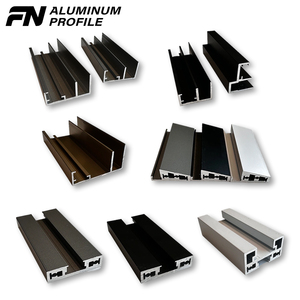
High-Performance Corrosion-Resistant Systems
Factory-direct engineered aluminum door assemblies and security solutions compliant with ISO 9001, CE, AS2047, and NFRC international standards.
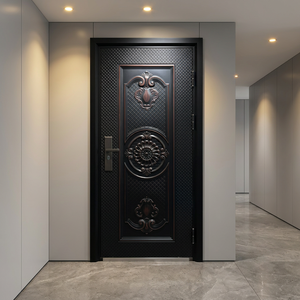
High End Pivot Armored Security Door Smart Digital Lock Anti Drill Anti Pry Modern Villa Exterior Main Entrance Door
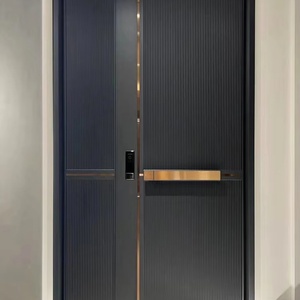
FoShan High-End Cast Aluminum Security Anti-Theft Villa Entry Door Stainless Steel Entrance Door of a Self-built House
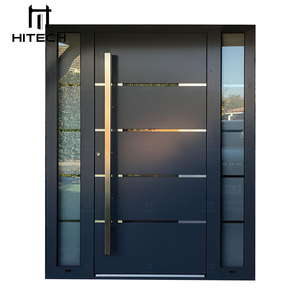
Hitech Main Entry Pivot Door Modern Front Exterior Pivot Door Aluminum Front Door For House
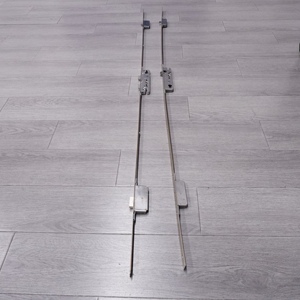
Factory Direct Double Hook Multi Point Long System Door Lock Body with 201 Stainless Steel Panel Key Unlock for Aluminum Door
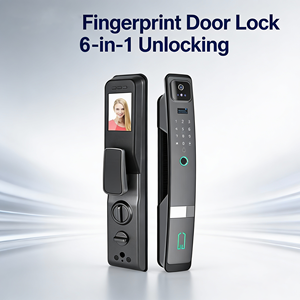
Cerradura Inteligente 6 in 1 TUYA 3D Face Recognition Smart Door Lock with Camera
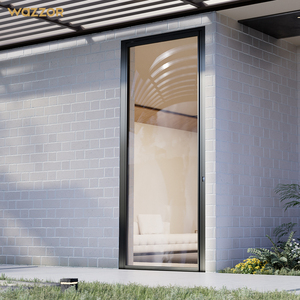
WAZZOR NFRC Certified High Load Bearing Aluminum Glass Pivot Door for Luxury Villa Entrance
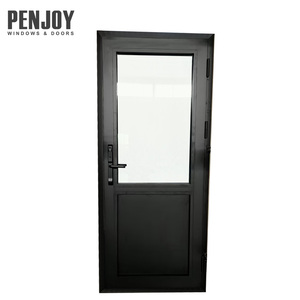
Penjoy Aluminum Entry Door Swing Smart Lock Tempered Glass Custom Size Fingerprint WIFI for Villa Apartment
115,000 m²
Production Infrastructure
25+ Yrs
Global Export Experience
44-Point
Rigorous Quality Inspection
700+
Skilled Workforce & Engineers
1. Technical Metallurgy & Corrosion Resistance Engineering in Aluminum Architectural Systems
When specifying fenestration solutions for coastal, high-humidity, or chemically aggressive urban environments, standard atmospheric aluminum profiles often succumb to filiform corrosion, galvanic oxidation, and surface degradation. Leading Chinese corrosion-resistant aluminum door manufacturers have fundamentally transformed profile production through metallurgical refinement, advanced anodizing, and fluoropolymer coating technologies.
The core structural integrity of premium corrosion-resistant entrance and patio doors relies on architectural-grade 6063-T5 and 6060-T6 aluminum alloys. Magnesium and silicon ratios are precisely calibrated to optimize tensile strength while minimizing iron impurities that act as initiation sites for localized pitting. In high-salinity coastal zones (C4 and C5 atmospheric corrosivity categories under ISO 12944 standards), advanced surface treatments are applied to achieve decades of maintenance-free service life.
PVDF Fluorocarbon Coatings
Utilizing resin-based Kynar 500® or Hylar 5000® formulations applied in 2-coat or 3-coat electrostatically sprayed layers. Yields exceptional resistance to extreme UV radiation, acid rain, salt spray, and color fading.
Sealed Anodizing (Class I)
Electrochemical oxidation creating an integrated aluminum oxide film exceeding 25 microns in depth. Hydrothermal sealing blocks microscopic pores, preventing electrolytic migration and sub-surface oxidation.
Polyamide Thermal Barriers
Precision-extruded PA66-GF25 (25% fiberglass reinforced) thermal break strips structurally isolate exterior profiles from interior frames, preventing thermal bridging and surface condensation build-up.
| Corrosion Protection Method | Film Thickness (µm) | Neutral Salt Spray Test (ASTM B117) | Ideal Project Application |
|---|---|---|---|
| Architectural Powder Coating (Qualicoat Class 2) | 60 - 80 µm | 1,500 Hours Passed | Standard Urban / In-land Residential |
| Anodized Hard-coat (Class 1 Architectural) | 20 - 25 µm | 3,000 Hours Passed | Commercial Storefronts & Modern Urban Facades |
| PVDF Fluorocarbon Paint (3-Coat System) | 35 - 50 µm | 4,000+ Hours Passed | Coastal Oceanfront Villas & Chemical Industrial Zones |
2. Global Sourcing & Procurement Trends for Architectural Doors (2025–2030)
The international fenestration market is undergoing a structural transition. Global developers, general contractors, and hardware importers are shifting away from standalone commodity procurement toward integrated structural systems. Key market evolution vectors include:
A. Shift Toward Unitized Smart-Integrated Main Entrances
Modern architectural specifications demand seamless integration of structural mechanical hardware and IoT digital control systems. Luxury villa exterior pivot doors and cast aluminum security entry systems are now required to embed multi-modal biometric sensors—including 3D structured-light face recognition, encrypted RFID keycards, and remote Tuya/Zigbee smart-home protocols—directly within thermal-break aluminum frame profiles.
B. Structural Minimalist Sightlines & Extreme Load-Bearing Capacities
Architectural preferences lean strongly toward ultra-slim, floor-to-ceiling panoramic sliding doors and high-capacity pivot doors. The engineering challenge involves reducing visual profile sightlines while increasing frame structural inertia (wind-load resistance up to ASTM E330 specs). Chinese OEM/ODM factories lead this domain by utilizing heavy-duty stainless steel multi-point hook locks and bottom-loaded concealable pivot hinges supporting sash weights over 500kg.
C. Stringent Performance Certification Requirements
Cross-border procurement now demands comprehensive pre-shipment compliance documentation. Tier-1 Foshan manufacturing complexes, such as Foshan Derka Architectural Doors & Windows Co., Ltd., provide direct factory documentation for NFRC (U-Factor & SHGC rating), AS2047 (Australian Structural Window Standard), CE Marking (EN 14351-1), and CSA certifications, guaranteeing smooth customs clearance and regional building code approval.
3. Enterprise Manufacturing Strengths: Foshan Derka Architectural Doors & Windows Co., Ltd.
Operating as a premier architectural fenestration enterprise in Foshan, China, Foshan Derka Architectural Doors & Windows Co., Ltd. (operating a massive 115,000 m² factory base with over 700 skilled staff and 9 automated lines) offers end-to-end custom production for global commercial and residential projects.
Our facility combines automated CNC profile machining, thermal-break crimping, heavy-duty structural corner welding, and multi-stage quality control. Every architectural door system undergoes a rigorous 44-point Quality Inspection Protocol prior to export packing:
- Raw Alloy Purity & Wall Thickness Verification: Spectrometric testing of incoming 6063-T5 aluminum billits to guarantee structural wall integrity.
- Precision CNC Milling & Corner Assembly: German-milled digital cutting ensures corner joints maintain zero-gap tolerances, preventing water infiltration.
- Hardware Torque & Cycle Endurance Testing: Smart digital locks, multi-point lock bodies, and pivot hinges undergo 100,000-cycle operational tests.
- Export Crating & Traceability: Finished units are wrapped in multi-layer protective film, corner-guarded, and crated in fumigated export wooden cases, labeled meticulously by floor, building block, and opening code.
Frequently Asked Questions for Global Procurement
Essential insights for importers, architectural developers, and commercial general contractors sourcing from China.
What types of windows and doors do you manufacture for new construction and renovation projects?
We manufacture aluminum casement, awning, sliding, folding, tilt and turn and skylight windows, plus aluminum casement, sliding and folding doors, French doors, copper entry doors, steel front doors, wooden and laminate interior doors and sectional garage doors. One factory can supply a complete window and door package for a villa, apartment block or commercial building.
Can your aluminum door systems meet the energy codes in my country?
Yes. Our systems combine thermal break aluminum profiles, insulated glass units and Low-E coatings, and can be configured to target the requirements of NFRC and Energy Star in North America, AS2047 in Australia and CE marking in Europe. Product certificates and third-party test reports are available on request before you order.
Do you produce custom sizes and unique architectural styles?
Every order is made to measure. Our engineers review your architectural drawings, prepare shop drawings for approval and customize frame colors, glass type, hardware, grilles and opening directions. Bay, bow, arched, oversized panoramic and curtain wall configurations are all available.
How do you control quality before shipment?
Each order passes 44 inspection points covering raw profiles, cutting and dimension precision, corner assembly, coating and sealing, hardware operation and structural integrity. Finished units are checked again at packing, and inspection photos can be shared before loading.
How are windows and doors packed for international shipping?
Frames are protected with surface film, corner guards and foam, then secured in export-grade crates labeled by project, floor and opening number so installers can match each unit to the drawings on site.
Can I visit or audit your factory in Foshan?
Yes. Buyers are welcome to visit our production base in Foshan, Guangdong, to see extrusion inspection, assembly and testing in person. If travel is not possible, our team can arrange a live video audit of the production lines and your order.
Partner with China's Premier Door & Window Manufacturer
Get technical shop drawings, structural calculations, and a direct factory quotation for your upcoming development project.
Inquire Now