Featured Laminated Glass & Heavy-Duty Aluminum Door Systems
Direct factory supply from Foshan, China. Precision-engineered thermal break profiles integrated with SGCC/IGCC certified safety laminated architectural glass.
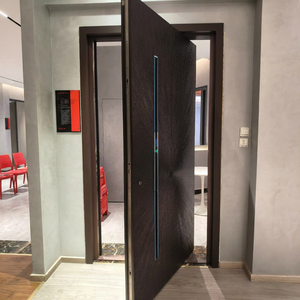
Custom Villa Entrance Door Modern Minimalist Cast Aluminum Side Swing Safety Door European Aluminum Art Carving Sound Insulation
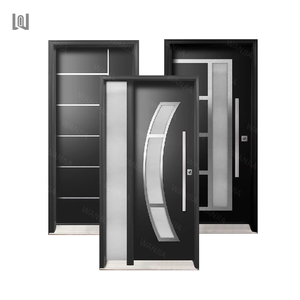
Anti-Theft Residential Home Renovation Main Entrance Entry Security Door Security Door Entrance Security Doors
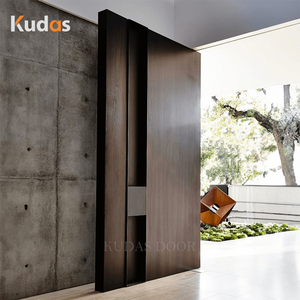
Main Entrance Exterior Walnut Solid Wood Large Front Door Single Aluminum Modern Front Entry Wooden Pivot Door
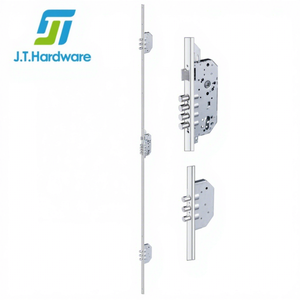
Cerradura Embutir Three Point Security Mortise Multi Point Door Locks With Roller Latch
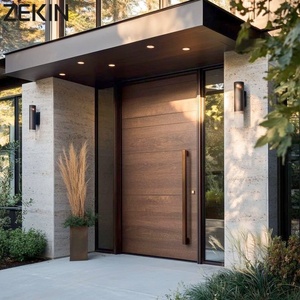
ZEKIN Modern American Design House Heat Insulation Fire Prevention Luxury Entrance Pivot Door House Front Entry Doors
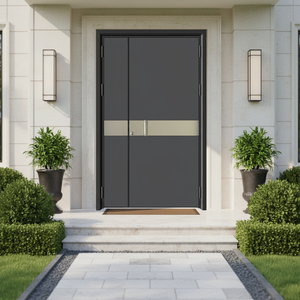
Luxury Cast Aluminum Front Entry Door High Security Anti-Theft Fire Prevention Pivot Design Premium Alloy Frame Modern
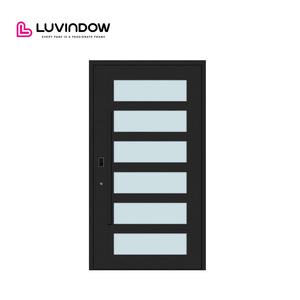
Secure Large Opening Aluminum Entry Pivot Doors for High End North American Residential Communities
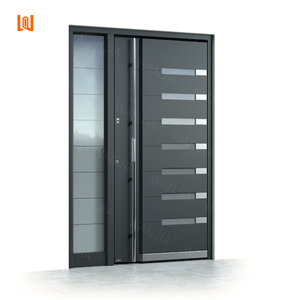
Stylish Residential Aluminum Frame Double Glazed Stormproof Entry Door
Engineering Blueprint: Architectural Mechanics of Laminated Glass Aluminum Doors
In modern architectural design, the entrance and fenestration envelope represent critical structural nodes where safety, thermal efficiency, acoustic insulation, and aesthetic elegance intersect. As a recognized authority among China top laminated glass aluminum door exporters, DERKA Entry Door (Foshan Derka Architectural Doors & Windows Co., Ltd.) authors this technical whitepaper to unpack the material science, structural load calculations, and global certification metrics required for high-performance building procurement.
Laminated glass aluminum doors have evolved far beyond basic entry barriers. They are engineered structural systems comprising high-tensile 6063-T6 aluminum extrusion alloys, polyamide thermal breaks (PA66-GF25), and dual- or triple-ply safety glass bonded via specialized viscoelastic interlayers. Understanding the performance delta between standard toughened glass and structural laminated assemblies is crucial for architects, facade consultants, and general contractors operating in severe wind-load zones, coastal environments, or urban acoustic hot spots.
1. Polymer Interlayer Mechanics: PVB vs. SGP Structural Performance
The structural capacity of laminated glass in architectural doors is fundamentally dictated by the interlayer chemistry. Exporters from China offer two main interlayer variants: Polyvinyl Butyral (PVB) and SentryGlas® Ionoplast (SGP).
Polyvinyl Butyral (PVB): PVB interlayers (standard thicknesses: 0.76mm, 1.52mm, 2.28mm) offer high flexibility, UV blockage (>99%), and sound attenuation. Under dynamic impact, the PVB stretches, absorbing kinetic energy while holding shattered glass fragments in place. It is ideal for residential security doors, interior partitions, and acoustic barrier applications.
SGP Ionoplast Interlayer: SGP interlayers represent a quantum leap in structural safety. SGP is up to 100 times stiffer and 5 times tougher than traditional PVB. In the event of double-pane glass breakage under extreme wind loads (up to 5,000 Pa) or missile impact testing (ASTM E1886/E1996), SGP maintains a rigid structural membrane that prevents frame blow-in. This mechanical characteristic is mandatory for high-rise commercial entry systems, oversized villa pivot doors, and high-velocity hurricane zones (HVHZ).
2. Thermal Break Extrusion Physics & Metallurgical Alloy Selection
Aluminum possesses high intrinsic thermal conductivity (~200 W/m·K). To satisfy stringent global energy conservation codes such as North America’s NFRC/Energy Star and Europe’s EN ISO 10077-2, architectural doors require thermal breaks.
DERKA utilizes structural 6063-T6 aluminum alloys extrusion-crimped with 24mm to 34mm Polyamide 66 reinforced with 25% fiberglass (PA66-GF25). This composite thermal barrier reduces frame U-factors to below 0.28 BTU/h·ft²·°F (1.6 W/m²K), preventing condensation formation in sub-zero ambient conditions while resisting thermal shear stress under continuous solar load exposure.
Performance Specification Matrix
Comparative empirical data for specifying architectural door systems based on engineering intent and regional building codes.
| Glazing Assembly Type | Interlayer / Spacer | Acoustic Damping (STC) | Impact Resistance Class | U-Factor (W/m²K) | Primary Architectural Application |
|---|---|---|---|---|---|
| 6mm + 1.52PVB + 6mm Tempered | Clear / Acoustic PVB | 38 - 40 dB | Basic Anti-Theft / Forced Entry | 2.8 - 3.2 | High-end Villa Entry & Side Swing Doors |
| 6mm + 1.52SGP + 6mm Tempered | SentryGlas® Ionoplast | 39 - 41 dB | Hurricane Large Missile (ASTM E1996) | 2.7 - 3.0 | Coastal Residential & High-Rise Entrances |
| 6mm Temp + 1.52PVB + 6mm + 12Ar + 6mm Low-E | Double Glazed Insulated + Argon | 42 - 45 dB | Wind Load & Severe Thermal Shock | 1.2 - 1.5 | Passive House & Luxury Villa Front Doors |
| 8mm + 2.28SGP + 8mm Extra Clear | Structural SGP Monolithic | 40 - 42 dB | Bullet Resistant (UL 752 Level 1-3) | 2.4 - 2.6 | Commercial Headquarters & Security Gates |
Future Procurement Trends in Laminated Aluminum Doors (2025–2030)
How global environmental mandates, smart hardware integration, and ultra-minimalist design trends are transforming door sourcing from China exporters.
1. Ultra-Slim Sightlines with SGP Structural Bonding
Architects increasingly demand maximum daylight autonomy. Future door procurement favors ultra-slim frame profiles (visible profile width < 20mm) where structural load-bearing capacity shifts from massive aluminum extrusions to structural silicon-bonded SGP laminated glass panes.
2. Electrochromic & Dynamic Low-E Interlayer Integration
Smart laminated glass doors incorporating PDLC (Polymer Dispersed Liquid Crystal) or electrochromic film layers allow instant opacity switching via smart home automation, offering private office and villa entry options without requiring secondary blinds.
3. Low-Carbon Aluminum & EPD Transparency
International buyers subject to Carbon Border Adjustment Mechanisms (CBAM) favor exporters using hydro-powered low-carbon aluminum billets. Environmental Product Declarations (EPD) are becoming mandatory procurement deliverables alongside traditional ISO certifications.
DERKA Manufacturing Scale & Foshan Production Ecosystem
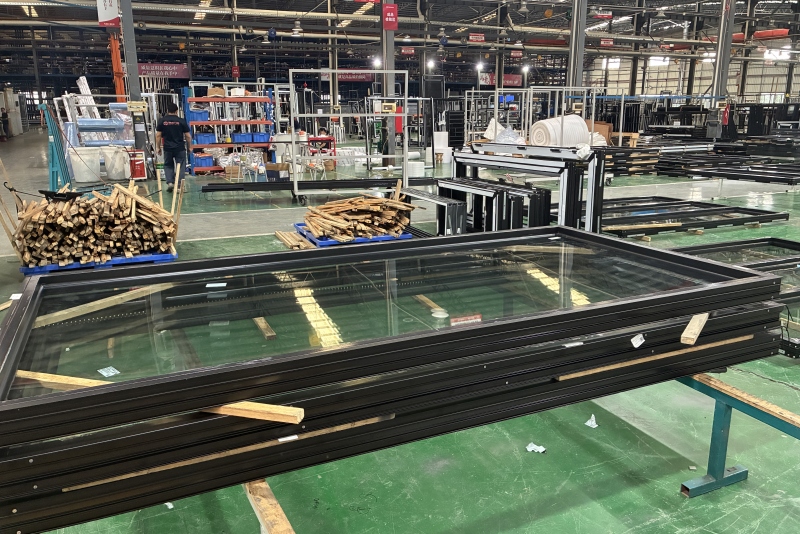
Operating from Foshan, Guangdong—the world’s premier architectural aluminum hardware capital—Foshan Derka Architectural Doors & Windows Co., Ltd. represents the pinnacle of Chinese export engineering. With over 25 years of export experience, our 115,000 square meter intelligent manufacturing facility operates 9 automated production lines staffed by more than 700 qualified technicians and engineers.
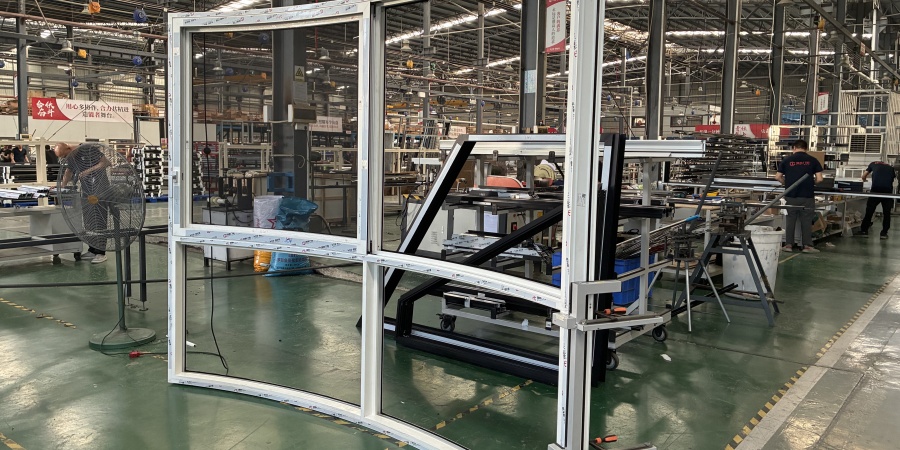
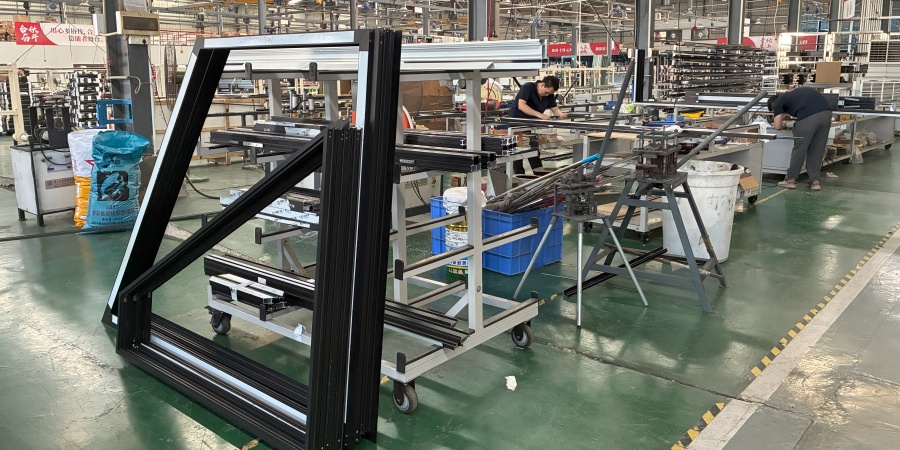
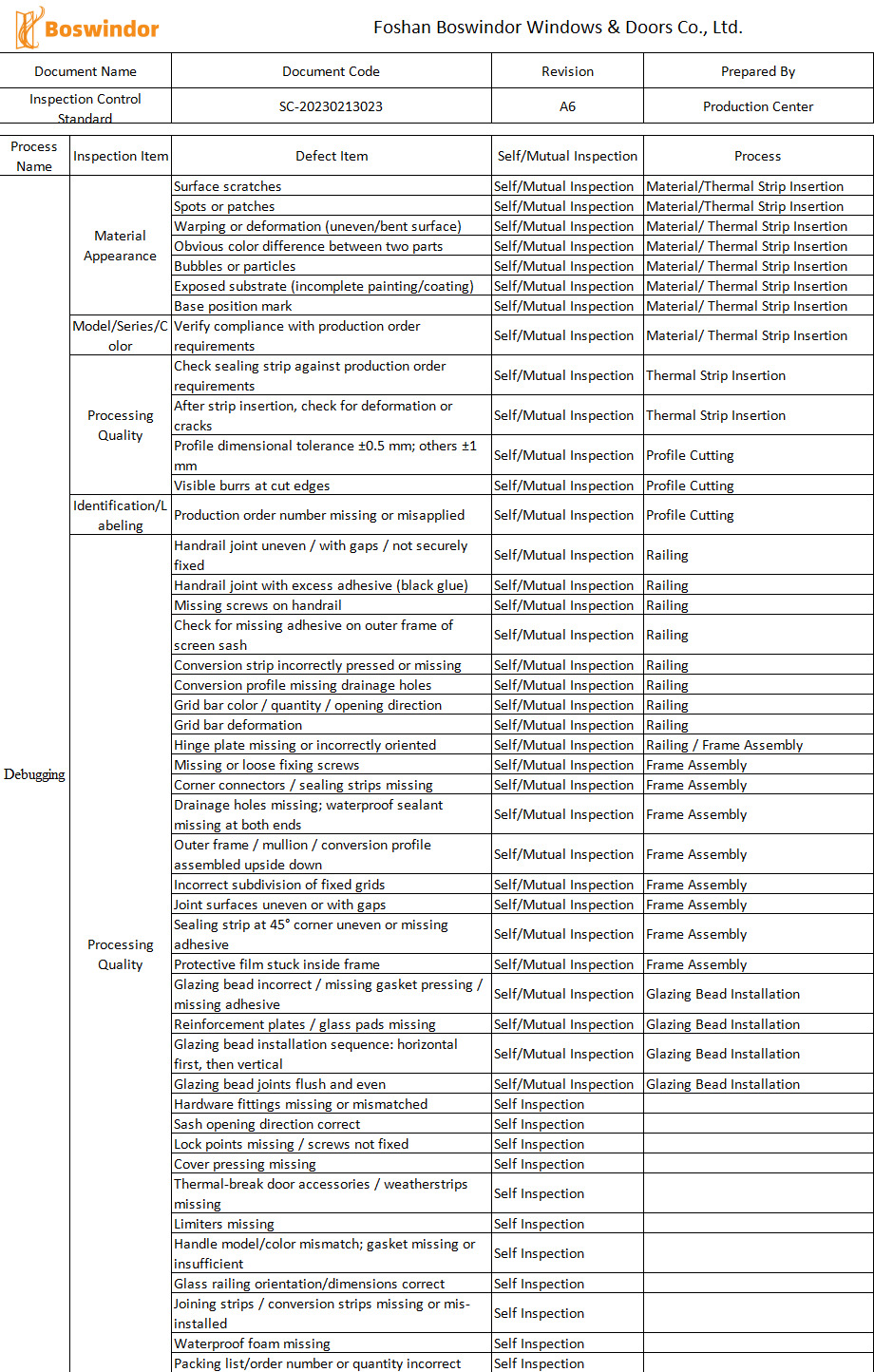
Our 44-Point Rigorous Quality Control Protocol
Every custom door leaving our facility undergoes a standardized 44-stage inspection workflow. Key verification steps include:
- Extrusion Alloy Spectrometry: Spectro-analysis verifying 6063-T6 chemical composition and hardness levels (≥ 12 Webster).
- PVB/SGP Adhesion Stress Testing: Pummel test and autoclave cross-section examination preventing delamination under tropical climate humidity.
- Airtightness & Water Tightness Calibration: Pressurized chamber testing up to 600 Pa per AS2047 and ASTM E331 standards.
- Surface Finish Coating Thickness: Dual PVDF/Fluorocarbon coating thickness verification ensuring AAMA 2605 compliance against salt-spray corrosion.
Frequently Asked Questions by International Buyers & Contractors
Detailed answers addressing engineering compliance, custom dimensions, shipping safety, and factory verification.