Featured Wholesale Energy-Efficient Entry Doors
Explore our certified export-grade entrance door systems customized for North American, European, and Australian structural & thermal building codes.
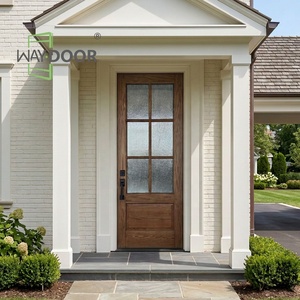
Fully Customized Soundproof Single Front Solid Wood Door with 6 Glass Panels for Houses Room Mahogany Oak Wooden Exterior Door
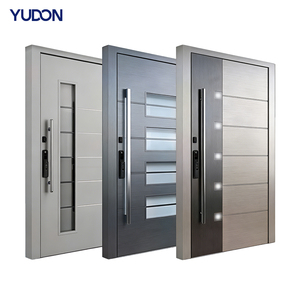
YUDON DOOR Luxury American Design Exterior Pivot Entrance Door Zinc Alloy Anti-Theft Fireproof Bulletproof Glass Door
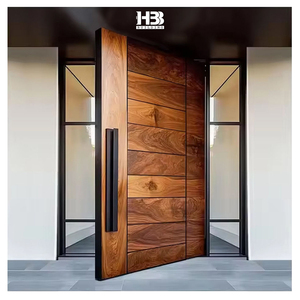
American Villa Custom-Designed Modern Large Size Exterior Black Walnut Pivot Door Solid Wood Front Door With Double Sidelite
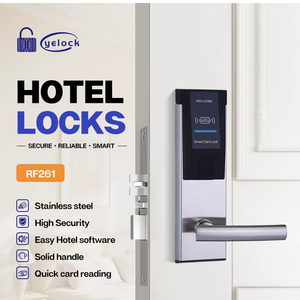
Hotel Door Lock RFID Stainless Steel Anti-Theft Smart Card Electronic Lock for Apartment Room Access Control System
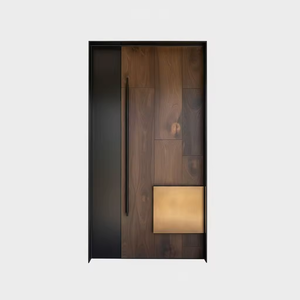
Residential Luxury Modern Pivot Main Entrance Door for Apartment Villa Exterior Front Door Digital Locking Aluminum Pivot Doors
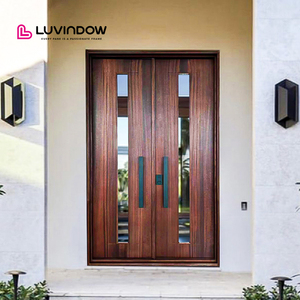
Luvindow Custom USA Villa Modern Design Exterior Solid Wood Main Entry French Door Pivot Aluminum Entry Doors for House
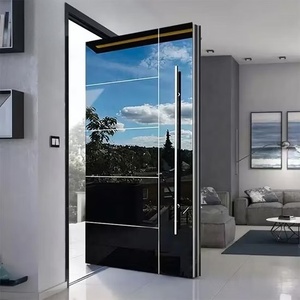
Manufacturer Direct Modern Hurricane-Proof Aluminum & Steel Sliding Gate for House Entrance
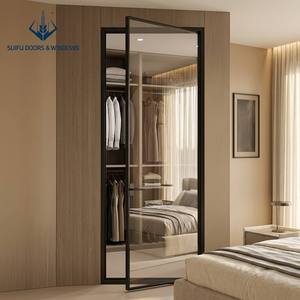
Minimalist Slim Frame Aluminum Swing Door for Bathroom Kitchen Fluted Glass Narrow Frame Casement Door with Magnetic Mute Lock
The Engineering Paradigm Shift in Wholesale Energy-Efficient Entry Doors
The global architectural sector is undergoing a fundamental transformation driven by stringent energy efficiency mandates, net-zero carbon goals, and rigorous building envelope codes such as the ASHRAE 90.1, International Energy Conservation Code (IECC 2024), Australia’s NCC/AS2047, and the European Union’s Energy Performance of Buildings Directive (EPBD). In modern envelope design, the main entry door is no longer treated merely as a structural security barrier or an aesthetic facade focal point; it is a critical thermal node responsible for preventing conductive heat gain/loss, air infiltration, and acoustic penetration.
Leading Chinese entry door manufacturers in industrial hubs like Foshan, Guangdong, have elevated production capability from basic fabrication to advanced thermodynamic envelope engineering. By integrating multi-chambered polyamide (PA66 GF25) thermal break extrusions, high-density polyurethane core infills, multi-layer Low-E insulated glass units (IGU), and multi-point perimeter EPDM weatherstripping, tier-1 Chinese factories deliver high-performance wholesale entry doors with thermal transmittance metrics (U-Factors) reaching down to 0.14 – 0.18 BTU/h·ft²·°F (U-values of 0.8 to 1.0 W/m²K).
Information Gain Metric: Traditional uninsulated hollow-core metal or un-broken aluminum doors display high U-values upwards of 3.5 W/m²K, converting the building entrance into a massive thermal bridge. Modern high-efficiency thermal break entry doors engineered in Foshan decrease thermal transfer by up to 74%, substantially reducing HVAC lifecycle operational costs for commercial residential developments.
Key Thermodynamic Factors in B2B Door Specification
When procurement managers, real estate developers, and architectural specifiers audit Chinese entry door suppliers, evaluating technical data sheets (TDS) requires a thorough understanding of four primary performance variables:
U-Factor / Overall U-Value
Measures rate of non-solar heat transfer through the total door assembly. Lower U-factors indicate superior insulation properties, essential for heating-dominated northern climates.
SHGC (Solar Heat Gain)
Quantifies solar radiation transmitted through vision glass panels or sidelites. Lower SHGC (e.g., <0.22) is required in cooling-dominated tropical zones to mitigate interior solar heat load.
Air Leakage Rate (ASTM E283)
Air infiltration per square foot of door frame area under pressure differentials. Tier-1 entry door assemblies maintain leakage rates under 0.1 cfm/ft² through continuous multi-lip gaskets.
Subsystem Material Comparison Matrix for Exterior Doors
Different architectural applications mandate distinct structural frame, core insulation, and skin materials. Below is an engineering performance benchmark comparing primary entry door categories produced by Foshan manufacturers:
| Door Material System | Thermal U-Factor (W/m²K) | Acoustic Rating (STC) | Hurricane/Impact Resistance | Ideal Commercial Application |
|---|---|---|---|---|
| Thermal Break Aluminum (PA66 Strut) | 0.8 - 1.2 | STC 38 - 45 dB | High (Up to 90 PSF DP) | Modern Luxury Villas, Commercial Frontage, High-Rise Towers |
| Solid Hardwood with Insulated Glass | 1.4 - 1.8 | STC 32 - 38 dB | Medium (Reinforced Frames) | Classic Residential Front Entry, Heritage Renovations |
| Insulated Steel Core Entry Door | 1.1 - 1.5 | STC 35 - 40 dB | Very High (Bulletproof Available) | Multi-Family Housing, Security Infrastructure, Apartment Blocks |
| Copper Surface Security Entrance | 1.3 - 1.7 | STC 36 - 42 dB | High (Heavy Gauge Copper) | Luxury Estates, High-End Custom Mansions, Institutional Entry |
Future B2B Procurement Trends in China’s Door Supply Chain
Market directions shaping global sourcing strategy for distributors, construction firms, and master importers over the next decade.
Direct CAD/BIM Factory Integration
Global procurement teams are shifting away from off-the-shelf stock inventory toward direct digital CAD/Revit integration with Chinese factory engineering departments. Foshan manufacturers provide customized shop drawings within 48 hours to ensure zero-clash installation on site.
Multi-Standard Pre-Certification
International buyers require pre-tested door systems that carry unified global certifications. Direct manufacturing partners maintain NFRC, CE mark, AS2047, and CSA certifications simultaneously, streamlining customs clearance and building inspection sign-offs.
Consolidated Mixed-Cargo Logistics
To optimize freight expenditure, master buyers order full project packages—matching exterior thermal break entry doors, interior wooden flush doors, and garage doors in single container shipments, significantly lowering logistics cost per unit.
Technical Development Trends in Energy Efficient Doors
R&D breakthroughs driving insulation efficiency, security hardware, and materials science in Chinese export factories.
1. Vacuum Insulated Glass (VIG) & Aerogel Insulated Core Infill
The latest breakthrough in entry door thermal performance is the replacement of conventional double-pane argon gas IGUs with ultra-thin Vacuum Insulated Glass (VIG). VIG eliminates convective and conductive gas heat transfer entirely within a 0.2mm vacuum gap, allowing glass inserts in entry doors to reach an incredible U-factor of 0.60 W/m²K. Concurrently, high-density door leaf cores are now utilizing aerogel-infused polyurethane foam panels, maximizing thermal resistance while keeping door slab thickness sleek and lightweight.
2. Smart Access Control Integration & Biometric Security Locks
Modern entry door manufacturing has embraced seamless smart home hardware integration. Smart electronic locksets—featuring RFID card readers, 3D facial recognition, biometric fingerprint scanners, and Tuya/Zigbee IoT gateway integration—are now directly embedded into door leaves during factory production rather than retrofitted on-site. Multi-point motorized latching mechanisms automatically engage heavy-duty stainless steel bolts at top, middle, and bottom strike plates upon door closure.
3. Extreme Weather & Impact-Resistant Hurricane Engineering
For coastal project destinations subject to severe weather events (such as Florida HVHZ hurricane zones or Australian cyclone areas), Chinese factories engineer high-load entrance doors equipped with heavy-gauge extruded aluminum profile wall thicknesses (>2.5mm), laminated impact safety glass (PVB/SGP interlayers), and heavy-duty 3D adjustable 304 stainless steel pivot hinges capable of withstanding wind loads exceeding +/- 90 PSF (Design Pressure rating DP90).
Foshan Derka Architectural Doors & Windows Co., Ltd.
Industrial capacity, quality control protocols, and global export infrastructure powering worldwide development projects.
115,000 m² Manufacturing Facility
Operating 9 state-of-the-art automated production lines, CNC machining centers, profile extrusion plants, and double-head precision aluminum cutting machinery with a 700+ workforce running 16-hour daily output cycles.
44-Point Rigorous QC System
Every single door frame and leaf undergoes 44 distinct quality verification checkpoints—ranging from raw profile alloy spectral analysis, anodizing/powder coat film thickness measurements, corner crimping shear tests, to full waterproof chamber mock-up testing.
25+ Years Global Export Proven Experience
Over 12,000 successful projects delivered across North America, Australia, Europe, the Middle East, and Southeast Asia. Full compliance ready with NFRC, CE, AS2047, CSA, and ISO 9001 standards.
Factory Direct OEM/ODM Customization: We offer comprehensive technical assistance, providing customized shop drawings, structural calculation reports, sample mock-ups, and project-coded crating to guarantee seamless jobsite assembly.
B2B Procurement & Technical FAQ
Detailed technical answers to common queries raised by international buyers, architects, and procurement agents.