Featured OEM Architectural Entry & Window Systems
Engineered to international standards with certified structural integrity and thermal performance.
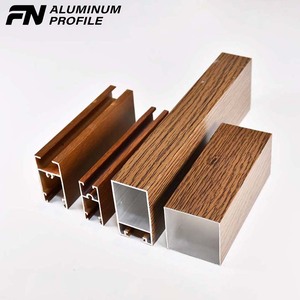
Wood Grain Extruded Window Frame Aluminum Door Frame Wood Color Profile
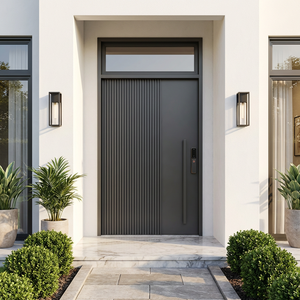
Modern Large Wrought Iron Pivot Door Entry Custom Design Exterior Security Door
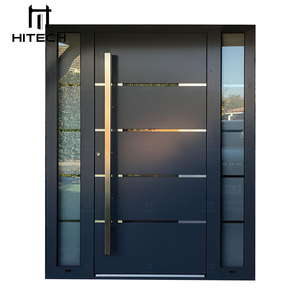
Hitech Main Entry Pivot Door Modern Front Exterior Aluminum Glass System
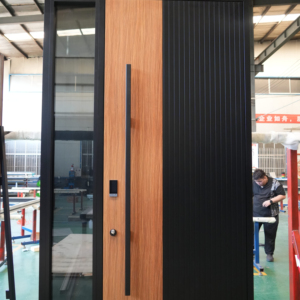
Aluminum Alloy Armored Offset Axis Door Heavy Duty Security Entry
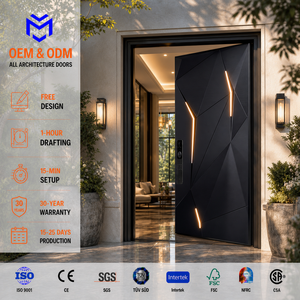
External Bulletproof Hurricane Impact Metal Exterior Aluminum Security Pivot Door
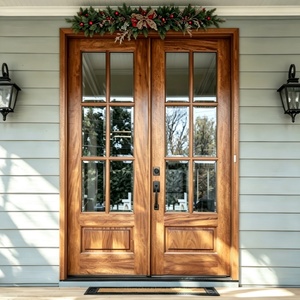
Direct Factory Modern Hinged Aluminum Soundproof Triple Tempered Glass Front Door
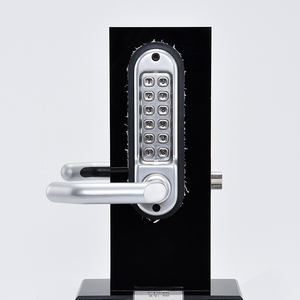
Outdoor Garden Door Lock Zinc Alloy Digital Smart Lock Set Double Side Operating
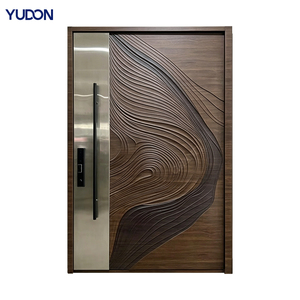
YUDON Series Heavy Duty Aluminum Pivot Modern Exterior Entry Security Door
Architectural Deep-Dive: OEM Modern Glass Front Door Manufacturing
An authoritative breakdown of material selection, structural integrity, and procurement dynamics for modern entry solutions.
1. Industrial Manufacturing Standards for Modern Glass Front Doors
The contemporary architectural landscape demands entry systems that harmonize high visual transparency with uncompromising structural resilience. OEM glass front door factories operate at the intersection of high-precision metal extrusion, chemical glass strengthening, and thermal insulation physics. Modern front doors are no longer mere static barriers; they are highly engineered facade components required to withstand extreme wind pressure, resist forced entry, and deliver superior thermal barrier performance.
At our 115,000 m² Foshan manufacturing headquarters, profile extrusion processes utilize high-purity T6-6063 aluminum alloys. This material provides an exceptional strength-to-weight ratio, allowing for ultrathin sightlines without compromising frame rigidity. When integrating expansive glass panels—often weighing upwards of 200 kilograms in oversized pivot or casement formats—the structural perimeter must resist deflection under wind load pressures exceeding 3000 Pa.
Glazing units selected for OEM entry doors utilize triple-pane tempered laminated glass setups (e.g., 6mm Low-E Tempered + 12Ar + 6mm Clear + 12Ar + 6.76mm Laminated). This configuration ensures high impact resistance—compliant with hurricane-zone standards such as NFRC and Florida Building Code—while mitigating acoustic transmission up to STC 42 dB.
2. Future Procurement Trends in Architectural Entry Systems
As global commercial and luxury residential real estate markets evolve, procurement specialists, principal architects, and real estate developers are shifting their sourcing criteria from low-cost commodities to high-performance, integrated OEM ecosystems. Understanding these macro-level procurement trends is vital for staying competitive:
| Procurement Trend | Technical Requirement | Market Advantage |
|---|---|---|
| Mass Oversized Pivot Systems | Heavy-duty hydraulic floor pivots supporting panels up to 500kg with 360-degree rotation capabilities. | Creates dramatic architectural statements for modern luxury villas and corporate headquarters. |
| Smart Hardware Integration | Biometric fingerprint recognition, motorized multi-point lock latching, and dual-side digital smart locks. | Provides keyless access and seamless integration into modern home automation ecosystems. |
| Ultra-Low-E & Electrochromic Glass | Smart tinting glass paired with solar control coatings to dynamically manage light transmission. | Optimizes energy consumption while offering immediate privacy at the push of a button. |
| Comprehensive Certification Compliance | Product traceability with AS2047, CE marking, NFRC, and CSA certification compliance. | Minimizes regulatory approval friction at international customs and structural inspections. |
The global shift toward net-zero construction is accelerating the adoption of thermal-break aluminum structures combined with wood-grain fluorocarbon coatings. This technology pairs the organic aesthetic of natural timber with the structural longevity and corrosion resistance of high-grade aluminum alloys.
3. Corporate Advantages & Precision Manufacturing Capabilities
As a leading China-based window and door manufacturer operating from Foshan, Foshan Derka Architectural Doors & Windows Co., Ltd. has established an international reputation for engineering precision and supply chain reliability. Operating since 2000, our integrated factory infrastructure guarantees complete control over the entire production cycle.
Strict 44-Point Quality Assurance Protocol: Every custom glass front door undergoes rigorous quality testing before crating. Our inspection checklist spans six essential dimensions:
Strict CNC precision cutting ensures tolerances within ±0.5mm, eliminating frame racking during installation.
Dual-component corner bracket injection guarantees zero water ingress at profile joints under driving rain tests.
Hinge and lock mechanisms undergo 100,000 continuous cycle tests to guarantee smooth operation under load.
Qualicoat-certified powder coatings undergo salt spray testing to prevent peeling, fading, or marine corrosion.
Our 700+ skilled personnel run 9 automated production lines 16 hours daily, ensuring predictable lead times even for large-scale multi-unit commercial developments. With clients spanning North America, Australia, Europe, and the Middle East, our custom export crating system utilizes protective corner blocks, moisture barriers, and reinforced steel-frame wooden boxes to ensure products arrive on-site damage-free.
4. Frequently Asked Questions (FAQ) for OEM Sourcing
Q: What structural considerations are required when installing heavy custom glass pivot doors?
A: Heavy glass pivot doors require a structurally stable header and sub-floor anchoring system. Our engineering team provides shop drawings detailing required structural loads, ensuring floor pivot boxes are properly recessed and overhead lintels support panel weight without dynamic deflection.
Q: Can your factory manufacture glass entry doors compliant with NFRC thermal standards?
A: Yes. By combining multi-chambered thermal break aluminum profiles with argon-filled, double or triple Low-E insulated glass units (IGUs), our assemblies achieve thermal U-factors tailored to pass stringent NFRC and Energy Star requirements across diverse climate zones.
Q: How are structural glass front doors protected against coastal air and high humidity?
A: For coastal installations, we utilize marine-grade anodized profiles or architectural-grade fluorocarbon (PVDF) powder coatings that resist salt-spray corrosion. Hardware components are upgraded to SUS316 stainless steel to eliminate surface oxidation over time.
Q: What is the lead time for custom OEM dimension and finish customization?
A: Standard OEM manufacturing lead times run between 25 to 35 days following formal CAD shop drawing approval. For complex project orders featuring specialized glass tints or custom extruded hardware, lead times are optimized via our 9 parallel production lines.
Q: Does your factory provide OEM shop drawings and engineering support before production?
A: Absolutely. Our dedicated engineering team translates architectural plan sets into detailed 2D/3D shop drawings, specifying profile cross-sections, drainage paths, anchoring details, and wind load calculations for sign-off before manufacturing begins.
Start Your Custom OEM Project Consultation
Connect with our technical sales team to request factory-direct pricing, CAD shop drawings, or detailed specification sheets tailored to your architectural project.
Get a Quote