Featured Commercial & Residential Entry Systems
Factory-direct custom entrance solutions engineered for global architectural projects, security compliance, and thermal performance.
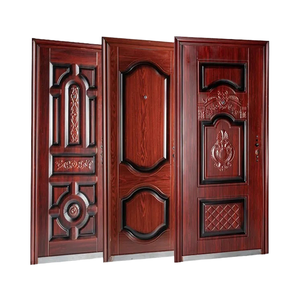
OEM/ODM Modern Design Metal Steel Security Exterior Entry Doors Finished Surface For House Front Entrance Decor
Contact Us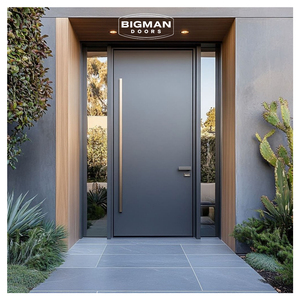
British Modern Minimalist Dark Grey Matte Security Pivot Door Heavy Metal Entry Door Anti-Theft Feature Exterior Villa Kitchen
Contact Us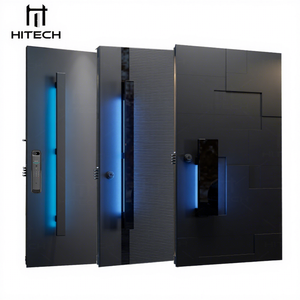
Hitech Soundproof Waterproof Solid Wooden Pivot Door Front Entry Stainless Steel Exterior Modern Pivot Door For Villa
Contact Us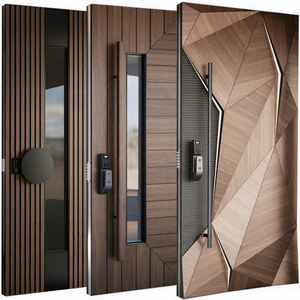
High-End Custom-Made Modern Cast Aluminum Front Entry Security Door With Smart Lock Anti-Theft Pivot Door
Contact Us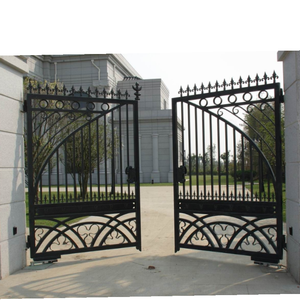
Best Seller Villa Gate Designs Entrance Double Security Door Wrought Iron Front Entry Door
Contact Us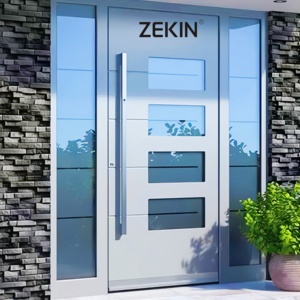
ZEKIN Aluminum Entrance Door Aluminum Front Entry Door Exterior Pivot Door Front Security Gate Artificial Intelligence Lock
Contact Us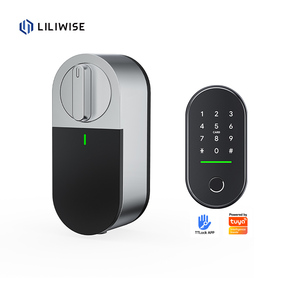
Liliwise OEM ODM Retrofit Smart Lock Digital Door Lock Electronic Motorized Smart Door Lock Fits EU Profile Cylinders
Contact Us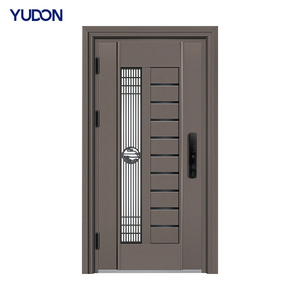
YUDON DOOR Automatic Sliding Stainless Steel Exterior and Front Doors for Villas Homes with Secure Locking System Door Entrance
Contact UsExecutive Sourcing Analysis: Specifying Exterior Front Doors for Global Developments
The global entrance door ecosystem is undergoing a profound structural shift. Driven by stricter energy efficiency mandates (such as North America's NFRC/Energy Star standards and Europe's CE EN 14351-1 requirements), architectural developments now demand exterior entry doors that balance structural security, high thermal insulation, and advanced smart access automation. Selecting top-trusted front door manufacturers and factories requires evaluating multi-layered parameters beyond mere aesthetic appeal.
Foshan Derka Architectural Doors & Windows Co., Ltd. stands as a premier manufacturing benchmark in this global market. Operating an expansive 115,000 m² automated production facility staffed by over 700 skilled technicians and structural engineers, DERKA delivers fully integrated OEM/ODM manufacturing workflows. By implementing a strict 44-point Quality Control (QC) inspection protocol, the factory ensures every custom door system complies with stringent international building codes—including AS2047 for Oceania, NFRC for North America, and CE compliance for European territories.
Engineering Selection Matrix: Material Systems vs. Structural Performance
To assist architectural specifiers, general contractors, and commercial procurement managers, the table below provides a empirical comparison across primary exterior door materials manufactured in tier-1 China production hubs.
| Material System | Thermal U-Factor (W/m²·K) | Burglar Resistance (EN 1627) | Water Tightness / Wind Resistance | Max Dimensions (W x H) | Primary Commercial Application |
|---|---|---|---|---|---|
| Cast Aluminum Solid Core | 1.0 - 1.4 (Thermal Break) | RC3 - RC4 High Security | Class E1050 / Class 5A (Ultra-High) | Up to 2400mm x 4000mm | Luxury Villas, Executive Estates, Headquarters |
| Thermal Break Steel Security | 1.2 - 1.6 (Insulated Core) | RC3 Multi-Point Locking | Class E750 / Class 4A | Up to 1800mm x 3000mm | Modern Residential Developments, Urban Condos |
| Engineered Wood + Steel Core | 0.9 - 1.3 (Polyurethane Infill) | RC2 - RC3 Certified | Class 9A Water Tightness | Up to 2000mm x 3500mm | Acoustic Luxury Entryways, Boutique Hotels |
| Copper Clad Architectural | 1.4 - 1.8 Standard Thermal | RC3 Reinforced Frame | Class 7B / Class 3A | Up to 2200mm x 3800mm | Heritage Estates, Diplomatic Residences |
| Wrought Iron Double Door | 1.8 - 2.2 Dual Glazed | RC2 Heavy Duty Mechanical | Class 5A Weather Sealed | Up to 2500mm x 3600mm | Classic Gated Entrances, Grand Mansions |
Future Sourcing Trends in Exterior Front Door Manufacturing (2025–2030)
As smart building automation and net-zero operational targets dominate international building codes, front door manufacturing is evolving past conventional joinery. Key technological trends driving factory innovation include:
1. Smart Biometric & AI Mechatronic Integration
The market is shifting from standalone keypads to motorized European profile cylinders integrated directly into multi-point lock systems (3-point to 7-point automatic locking). Incorporating 3D structured-light facial recognition, palm vein scanners, and IoT gateway connectivity (Zigbee/Matter), front doors now function as intelligent access hubs seamlessly synced with home automation systems.
2. Extreme Thermal Breaking & Structural Polyamide
To combat thermal bridging in metal front doors, leading factories utilize high-density polyamide thermal barrier strips (PA66-GF25 reinforced with 25% glass fiber) combined with aerogel infill panels. This engineering allows heavy metal entry doors to achieve low U-factors (<0.85 W/m²·K), drastically cutting HVAC energy loss in extreme desert or cold climates.
3. Oversized Architectural Pivot Hardware
Modern villa architecture favors grand scale entrances. Traditional butt-hinged doors are increasingly replaced by heavy-duty hydraulic offset pivot hinges capable of smoothly supporting panel weights up to 1,000 kg and heights exceeding 4.5 meters. Integrated soft-close dampers and floor springs ensure effortless, silent operation despite massive structural mass.
4. Fluorocarbon (PVDF) & Anodized Surface Resilience
Coastal projects subject exterior front doors to aggressive salt-spray corrosion and high UV degradation. Advanced factories employ multi-coat PPG fluorocarbon (PVDF) baked liquid coatings and heavy anodic oxidation finishes (AAMA 2605 compliant), guaranteeing color fastness and surface integrity for over 25 years without chalking or peeling.
Why Sourcing Buyers & Developers Partner with Foshan DERKA
Building long-term supply chain confidence requires absolute factory transparency, rigorous quality control systems, and comprehensive engineering support. Here is how Foshan Derka Architectural Doors & Windows Co., Ltd. mitigates buyer risk and simplifies international procurement:
Complete In-House CAD/BIM Shop Drawing Engineering
Before production starts, DERKA's in-house engineering team converts client architectural elevations into precise CAD shop drawings, detailing wall opening tolerances, thermal break positions, threshold drainage profiles, and structural anchoring methods. This eliminates costly site fitment errors.
Rigorous 44-Point Factory Inspection Matrix
Quality control is embedded at every phase: from verifying raw profile alloy composition via spectrometer analysis, checking CNC milling precision (±0.2mm accuracy), testing corner joint crimping strength, to conducting water tightness spray tests and electronic lock cycle testing (50,000 continuous operation cycles).
Export Packaging & Project-Specific Crating
International shipping poses significant vibration and humidity risks. DERKA packages finished doors with protective film, heavy corner guards, impact-absorbing foam, and solid fumigated plywood crates. Each crate is clearly labeled with project floor numbers and door tag IDs to streamline jobsite distribution.
Global Standards & Third-Party Testing Availability
DERKA products are pre-engineered to comply with major global frameworks: NFRC energy performance and hurricane impact standards in North America, AS2047 fenestration standards in Australia, and CE marking in Europe. Test reports and factory audit video sessions are made available prior to order finalization.
B2B Front Door Sourcing & Procurement FAQ
Essential technical guidance for international buyers, general contractors, and real estate developers.
Ready to Spec High-Performance Front Entrance Doors for Your Project?
Submit your architectural drawings, door schedules, or performance specifications. Our technical engineering team will deliver custom CAD drawings, factory-direct pricing, and compliance guidance within 24 hours.
Contact Us