High-Performance Aluminum Casement Windows & Commercial Systems
Custom-engineered thermal-break framing, multi-chamber aluminum extrusions, and heavy-duty architectural hardware designed for Argentine developers, facade contractors, and residential builders.
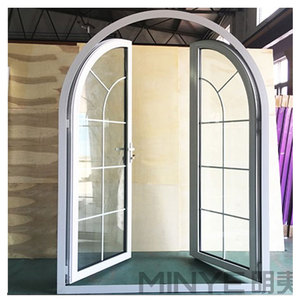
Popular Design Rustic Style Arch Top Aluminum Windproof Casement Door
- Curved Arch Head CNC Precision Framing
- Heavy-duty EPDM Gasket Compression Seal
- Class 4 Air Permeability Certified
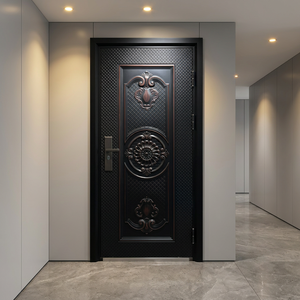
High End Pivot Armored Security Door Smart Digital Lock Villa Entrance
- Biometric Fingerprint & NFC Access Core
- Anti-Drill & Anti-Pry Armored Steel Reinforcement
- Floor-bearing German Pivot Hinge System
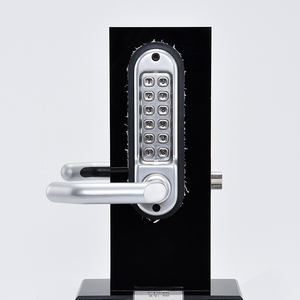
Outdoor Garden Door Lock Zinc Alloy Digital Smart Lock Double Side Operating
- IP65 Weatherproof & UV Stable Casting
- Dual-sided Keypad & Mechanical Override
- C-Class Stainless Steel Mortise Deadbolt
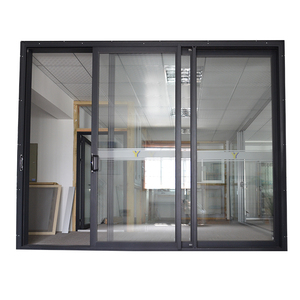
NFRC Certified Modern Entrance Aluminium Low-E Sliding Rail Glass Patio Doors
- Double Glazed Argon-Filled Low-E (DVH)
- Heavy Stainless Steel Quad Rollers (300kg)
- Recessed Zero-Barrier Water Drain Track
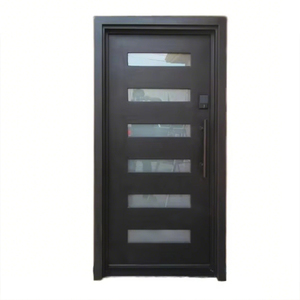
Exterior Modern Casement Aluminum Entry Doors Multi-Lock Security
- Multi-Point Mushroom Head Gearbox Locking
- Polyamide PA66 Thermal Break Insulation
- 6063-T6 High Tensile Aluminum Extrusion
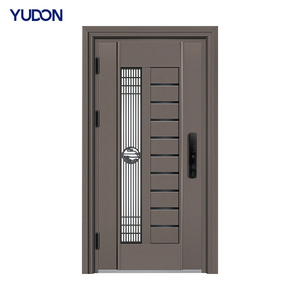
Automatic Sliding Stainless Steel Exterior Front Door System for Luxury Villas
- Brushless DC Motorized Silent Belt Drive
- Grade 304/316 Stainless Steel Armored Skin
- Integrated Backup Battery & Radar Sensors
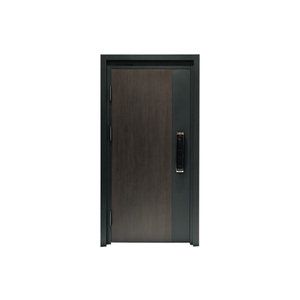
Exterior Modern Aluminum Security Doors Hurricane Impact & Heat Insulated
- PVB Laminated SentryGlas Structural Core
- Tested Against 4500 Pa Cyclic Wind Loads
- Hermetic Air & Moisture Barrier Sealing
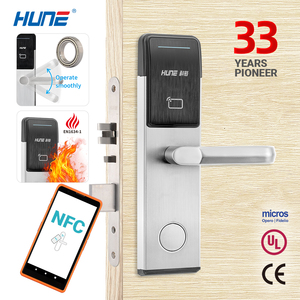
Commercial Hotel Door Lock NFC Access UL Fireproof 304 Stainless Steel
- TTLock & Matter IoT Cloud Management
- UL 3-Hour Fire Rated Steel Latch Assembly
- Contactless RFID & Smartphone BLE Key
Architectural Engineering for Argentina’s Complex Climatic Zones
Specifying high-efficiency aluminum casement windows requires comprehensive understanding of regional wind pressures, thermal amplitudes, and seismic structural requirements under national Argentine building standards.
Argentina represents one of the most geographically diverse and climatically demanding building markets in South America. From the high humidity and heavy rainfall of the Littoral region (Mesopotamia) and the severe coastal winds of the Pampean plains to the sub-zero glacial conditions of southern Patagonia and the active seismic zones in Cuyo (Mendoza and San Juan), window fenestration cannot rely on one-size-fits-all parameters. Specifying aluminum casement windows for Argentine developments demands precise structural engineering, thermal insulation, acoustic barriers, and certified alloy integrity.
“In Argentine architectural specification, the window is no longer considered a decorative envelope element; it is an active mechanical insulator. With rising residential electrical and natural gas tariffs across Greater Buenos Aires (AMBA) and provincial capitals, high-performance thermal break (Rotura de Puente Térmico - RPT) casement windows equipped with double or triple insulated glazing units (DVH - Doble Vidriado Hermético) are mandatory to meet national energy labeling directives.”
Buenos Aires & Littoral
Subject to extreme Sudestada windstorms, torrential horizontal rain, and dense urban noise. Casement units require 4-point perimeter compression seals and acoustic laminated glass (Rw > 38 dB) to eliminate air infiltration and avenue traffic noise.
Bariloche, Neuquén & Tierra del Fuego
Sub-polar temperatures, katabatic mountain gales, and high heating degree-days demand ultra-low thermal transmittance (U-value ≤ 1.4 W/m²K). Polyamide thermal breaks (PA66 GF25) prevent indoor condensation and frost penetration.
Mendoza & San Juan
Classified under INPRES-CIRSOC 103 regulations as high seismic hazard (Zone 3 & 4). Extruded 6063-T6 aluminum profiles must withstand dynamic lateral drift, cyclic frame torsion, and high diurnal temperature swings without sash binding.
Mar del Plata & Pinamar
Continuous marine salt aerosol exposure accelerates oxidation. Finishes require architectural powder coatings certified by Qualicoat Seaside or Qualanod anodizing (≥ 20 μm) to guarantee 25+ years without chalking, pitting, or blistering.
Standard Argentine Local Profiles vs. DERKA Thermal-Break Casement Systems
A rigorous performance review comparing traditional non-thermal carpentry (Línea Herrero / Módena) against factory-engineered thermal break European-groove casement architecture.
| Performance Parameter | Traditional Local Sliding / Basic Casement | Typical Medium-Tier Profile (Línea A30/A40) | DERKA High-Performance Thermal Break Casement |
|---|---|---|---|
| Thermal Transmittance (U-Value) | 5.7 – 5.9 W/m²K (Single 4mm glass) | 2.8 – 3.4 W/m²K (Standard DVH) | 1.3 – 1.8 W/m²K Passivhaus Ready |
| Air Permeability (IRAM 11507-1) | Class 1 (High draft leakage around wool pile) | Class 2 / Class 3 (Moderate sealing) | Class 4 (Triple continuous co-extruded EPDM) |
| Water Tightness (Static & Dynamic) | 150 Pa (Prone to overflow in heavy gales) | 300 Pa (Acceptable for low-rise) | ≥ 600 Pa – 900 Pa (Concealed drainage channels) |
| Acoustic Isolation (Rw / STC) | 22 – 25 dB (Weak noise attenuation) | 30 – 32 dB (Moderate city buffer) | 38 – 44 dB (Acoustic PVB laminated glazing) |
| Corner Joint Construction | Basic sheet screws & silicone caulk | Standard mechanical cleat joint | Hydraulic crimped cast corner cleats & epoxy injected |
| Hardware & Locking Points | Single-point handle latch | Dual-point latch bar | Multi-point perimeter gear locking (Anti-burglary RC2) |
Emerging Trends Driving the Argentine Fenestration Market
Key economic, structural, and regulatory shifts shaping how developers, architects, and quantity surveyors procure high-grade aluminum systems.
Mass Adoption of IRAM 11507-4 Energy Labeling
Argentina's implementation of mandatory energy labeling for building envelopes has transformed buyer criteria. Developers in CABA and gated communities (Barrios Cerrados in Pilar, Tigre, and Nordelta) specifically seek Class A and Class B certified fenestration to command premium real estate resale value and lower lifelong HVAC running costs.
Shift from Sliding to Inswing/Outswing Casement
Traditional Argentine residential architecture relied heavily on horizontal sliding windows (corredizas). However, due to inherent brush-seal air infiltration, high-end developers are aggressively shifting to casement (abrir) and tilt-and-turn (oscilobatiente) mechanisms that achieve hermetic compression against sound, dust, and wind-driven rain.
Direct Factory Procurement by Contractors
Due to domestic supply chain bottlenecks, unpredictable pricing of local raw billets, and lengthy anodizing delays in Argentina, leading construction companies and developers are bypassing domestic intermediaries. By partnering directly with industrial-scale manufacturers like DERKA, they secure consistent batch anodizing, certified shop drawings, and direct container delivery to Puerto de Buenos Aires.
Why International Contractors & Argentine Specifiers Partner with DERKA
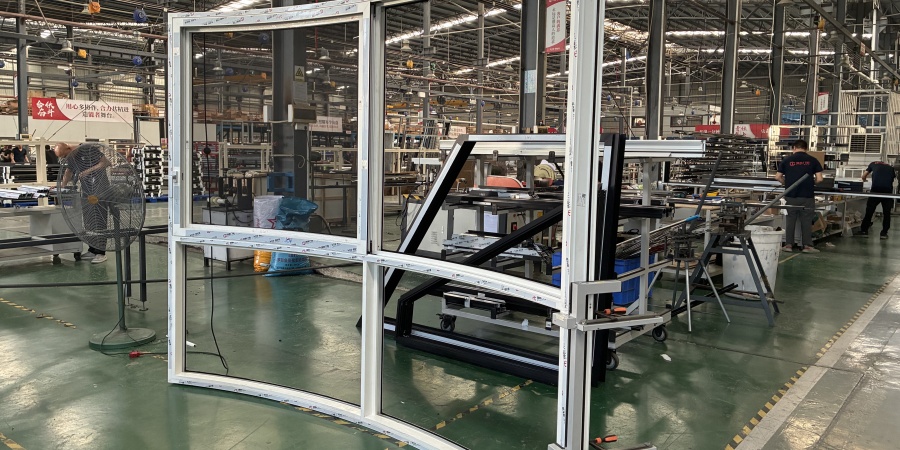
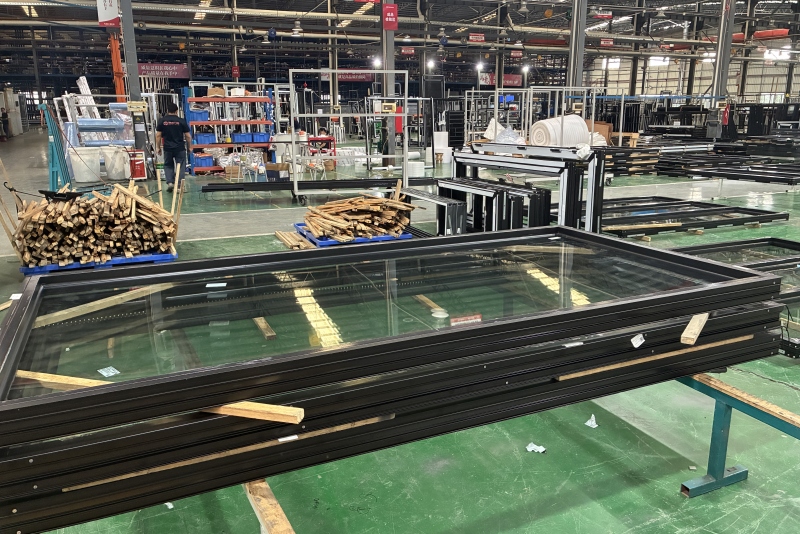
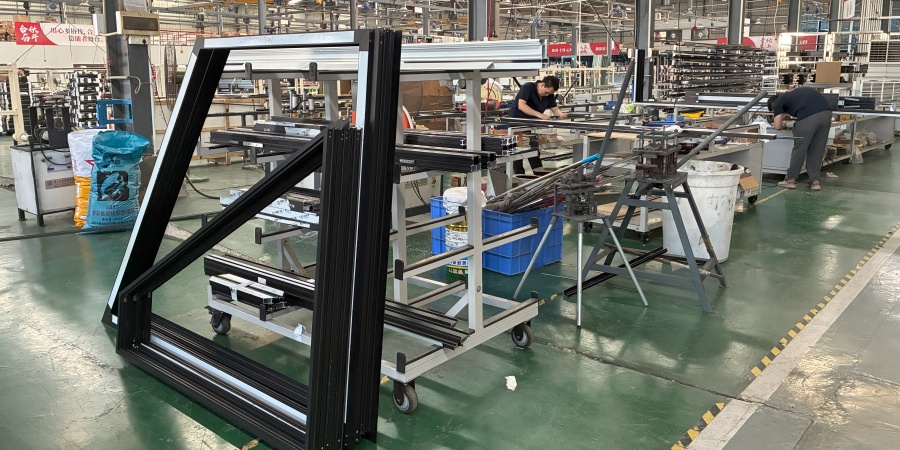
Based in the global aluminum capital of Foshan, Foshan Derka Architectural Doors & Windows Co., Ltd. operates state-of-the-art extrusion, CNC machining, and automated glazing lines tailored for large-scale export projects.
For more than 25 years, our 115,000 m² automated manufacturing hub has engineered custom aluminum windows, armored doors, and facade glazing systems for developers across the globe. Supported by 9 dedicated production lines running 16 hours daily and a technical team of 700+ skilled engineers and craftsmen, we eliminate the capacity constraints commonly encountered in domestic Argentine fabrication workshops.
Every single opening is custom built to approved architectural shop drawings. Our systems adhere to rigorous worldwide certifications including ISO 9001, CE, AS2047, CSA, and NFRC, ensuring flawless compliance when specified for luxury residential villas, multi-family towers, boutique hotels, and institutional projects throughout South America.
The 44-Point Pre-Shipment Quality Protocol
Every single casement window and architectural unit undergoes stringent multi-stage inspections before wooden crate packaging:
Frequently Asked Questions by Argentine Architects & Importers
Direct technical and logistical clarity regarding containerized shipments, customs clearance in Buenos Aires, custom dimensions, and product compatibility.
Our aluminum casement window systems are specifically configured with multi-chamber polyamide thermal break barriers (Poliamida 66 reforzada con 25% fibra de vidrio) and high-performance Double Glazed Units (DVH) featuring Saint-Gobain or AGC Low-E coatings with argon gas filling. This yields an overall thermal transmittance (U-value) ranging from 1.3 to 1.8 W/m²K. In accordance with IRAM 11507-4, our configurations comfortably qualify for Class A and Class B energy efficiency labels, matching the strictest municipal requirements across Buenos Aires, Córdoba, and Patagonia.
Standard fabrication lead time for custom made-to-measure orders is 25 to 35 business days following final architectural shop-drawing sign-off. Maritime transit from Shenzhen/Nansha ports to the Port of Buenos Aires typically takes 35 to 42 days via major direct shipping lines (such as Maersk, MSC, or COSCO). We coordinate closely with your Argentine Despachante de Aduana (customs broker), providing complete commercial invoices, packing lists with detailed opening schedules, certificates of origin, and bill of lading (B/L) documentation.
Yes. For regions subject to severe aerodynamic loads such as Comodoro Rivadavia, Río Gallegos, and coastal Buenos Aires, we engineer structural casement frames utilizing 6063-T6 architectural aluminum with profile wall thicknesses up to 2.2mm. Our perimeter multi-point locking gearboxes incorporate continuous German-engineered EPDM rubber gaskets that compress the sash firmly into the subframe under positive wind pressure. Our systems are tested to resist wind loads exceeding 4500 Pa (Class P4 under IRAM standards) without permanent deformation or seal rupture.
Export packaging is engineered specifically for long-distance maritime container voyages. Each window profile is wrapped in heavy-duty peelable protective film with reinforced high-density corner cushions. Glass lites are interleaved with shock-absorbing cork pads. The entire assembled or pre-hung unit is then secured inside fumigated, solid plywood export crates (ISPM 15 compliant) with inner moisture-absorbing silica gel desiccant packs to prevent surface oxidation from high ocean humidity. Each crate is systematically numbered to match the project floor plans for effortless staging on-site.
Absolutely. Our in-house facade engineering department collaborates directly with Argentine architects, project developers, and construction managers. We review your tender drawings, structural opening schedules (planillas de carpintería), and wind load requirements, subsequently providing full 2D AutoCAD section details, 3D structural connection schematics, and anchor bolt spacing specifications prior to initiating profile extrusion or CNC fabrication.
Yes. We frequently supply complete sample kits to Argentine developers, architects, and importers via international air express (DHL/FedEx). These sample packages include precision-cut corner sections showing the polyamide thermal break, EPDM compression gaskets, powder coat swatches (RAL palette and simulated wood grain finishes), and glass unit samples (clear, Low-E, and acoustic PVB laminated cross-sections) for client boardroom review and technical verification.
Ready to Engineer Your Window Package for the Argentine Market?
Whether you are developing a luxury residential villa in Nordelta, a commercial tower in Puerto Madero, or an energy-efficient residential complex in Bariloche, our engineering team is prepared to review your schedule of openings and deliver factory-direct precision.