Featured Aluminum & Security Door Range for Sri Lankan Projects
Engineered for extreme coastal weather, heavy tropical rainfall, and luxury architectural aesthetics across commercial and residential developments.
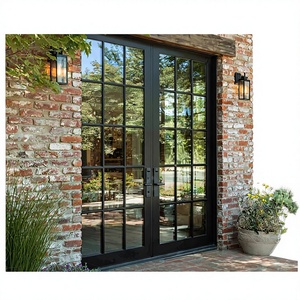
Sunnysky French Style Exterior Entry Double Tempered Glass Waterproof Modern Retro Black Aluminum Swing Door
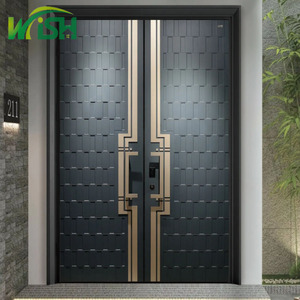
Modern Style Residential Heavy Duty Cast Aluminum Entrance Door Exterior Aluminum Security Entrance Doors
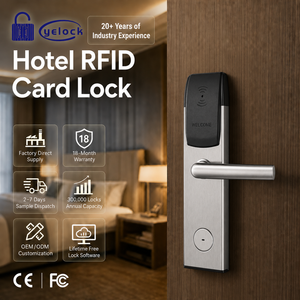
Free Software Management Smart RF Card Hotel Lock Anti-Theft Temic 13.56Mhz RFID Key Card Hotel Room Door Lock System With Key
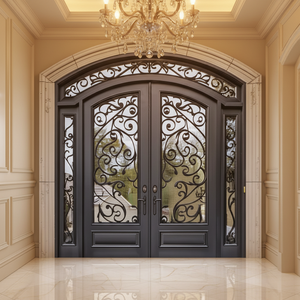
XIYATECH Luxury Design Exterior Entrance Wrought Iron Glass Anti-Theft Security Front Entry Doors 5 Year Warranty Customized
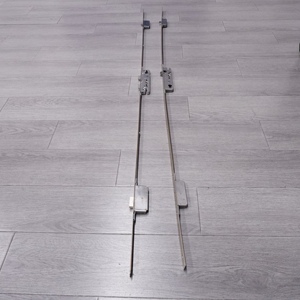
Factory Direct Double Hook Multi Point Long System Door Lock Body with 201 Stainless Steel Panel Key Unlock for Aluminum Door
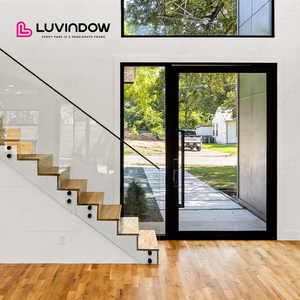
Modern Style Main Entrance Door Heat Insulated Aluminum Double Glazed Glass Pivot Door
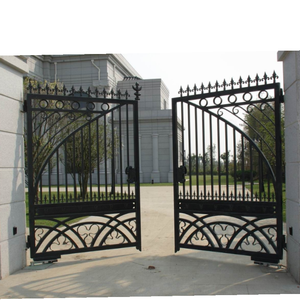
Best Seller Villa Gate Designs Entrance Double Security Door Wrought Iron Front Entry Door
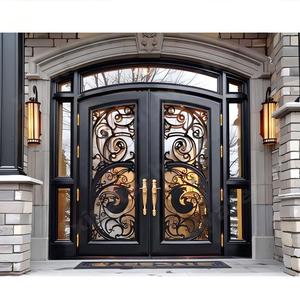
XIYATECH Factory Price Classical Design Customized Exterior Iron Door Grill Design Wrought Iron Front Entry Doors For Houses
The Sri Lanka Architectural Landscape: Strategic Sourcing of Aluminum Sliding Doors
As Sri Lanka experiences a surge in high-density residential towers in Colombo, luxury eco-resorts along the Southern coastline (Galle, Mirissa, Bentota), and mountain retreat villas in Kandy, architectural specifications for door and window systems have evolved dramatically. B2B buyers—including primary contractors, real estate developers, structural engineers, and architectural importers—require door systems engineered specifically for the Island’s demanding microclimates.
Procuring aluminum sliding doors from direct Chinese factories for the Sri Lanka market involves navigating distinct climatic factors. Sri Lanka’s geographical exposure subjects building envelopes to relentless tropical humidity (often exceeding 85-90% relative humidity), severe monsoonal winds (South-West and North-East monsoons), high atmospheric salinity in coastal zones (C5-M corrosive environment), and intense daily solar thermal loads. Standard domestic aluminum profiles frequently experience structural deflection, hardware oxidation, paint chalking, and seal failure within 24 to 36 months of installation.
To overcome these challenges, leading Sri Lankan developers are bypassing traditional local assembly trading houses and establishing direct supply lines with specialized Foshan aluminum door manufacturers. By sourcing factory-direct systems, project planners gain access to high-grade structural alloys, certified thermal break technology, custom architectural coatings (PVDF and Qualicoat Class 2 powder coatings), and factory-integrated multi-point locking hardware engineered to withstand severe wind loads and monsoon water pressures.
Core Technical Standards for Sri Lankan Coastal & High-Rise Projects
Understanding the metallurgical, thermal, and mechanical parameters that distinguish industrial-grade aluminum sliding doors from conventional profiles.
High-Tensile 6063-T5/T6 Alloy
Extruded using primary aluminum billets with wall thicknesses ranging from 2.0mm to 3.0mm for structural outer frames and sliding sashes. Provides high wind-load resistance (up to 3500 Pa) necessary for Colombo high-rise apartments.
PA66GF25 Thermal Break Strips
Incorporates 25% glass fiber reinforced polyamide thermal barriers. Isolates interior air-conditioned spaces from intense Sri Lankan exterior heat, cutting building HVAC energy consumption by up to 32%.
C5-M Marine Grade Surface Finishes
Pre-treated with chromate-free conversion and coated with PPG PVDF or AkzoNobel Qualicoat Class 2 fluorocarbon powder coatings. Tested under 3,000-hour salt spray chambers (ISO 9227) to eliminate pitting and blister corrosion in oceanfront villas.
| Performance Characteristic | Test Standard / Engineering Rating | Relevance to Sri Lanka Architectural Projects |
|---|---|---|
| Structural Wind Load | ASTM E330 / EN 12210 (Class C5 - 3500 Pa) | Prevents frame deflection and panel dislodgement during coastal monsoons and high-rise wind forces in Colombo Port City. |
| Water Tightness | EN 12208 (Class 9A - 600 Pa Static Pressure) | Prevents rainwater ingress during torrential downpours with step-down multi-stage drainage channels and EPDM gaskets. |
| Acoustic Insulation | ISO 10140-2 (Rw 38 dB to 44 dB) | Dampens heavy urban traffic noise in commercial districts (Kollupitiya, Bambalapitiya) and tropical rain impact noise. |
| Thermal Transmittance (U-Value) | NFRC 100/200 (U-Factor ≤ 1.8 W/m²·K) | Maintains low interior solar heat gain, reducing chilled air loss in luxury air-conditioned hotel suites and luxury villas. |
| Saline Corrosion Resistance | ISO 9227 Salt Spray (> 3,000 Hours Rating) | Protects hardware, track assemblies, and exposed frame corners against high salt concentrations along the Southern Coast. |
| Hardware Durability | EN 13126-15 (Class 4 - 100,000 Sliding Cycles) | Heavy-duty SUS316 stainless steel rollers supporting large-format glass sashes up to 400kg per panel with effortless glide. |
Architectural Application Scenarios Across Sri Lankan Regions
Tailored sliding door configurations engineered for specific geographic microclimates and project topologies throughout the country.
Southern Coastal Resorts (Galle, Bentota, Tangalle)
Luxury resorts require expansive panoramic views with floor-to-ceiling glass openings, while facing aggressive sea air and moisture high in sodium chloride.
- System Choice: Heavy-Duty Lift-and-Slide Thermal Break Aluminum Doors.
- Hardware: SUS316 Marine Stainless Steel Rollers and Multi-Point Locking Hooks.
- Glazing: 6mm Clear Tempered + 12mm Argon + 6mm Low-E Double Glazed Units.
- Benefit: Zero track jamming, smooth glide despite sand dust, and total weather sealing when locked.
Colombo Metro & Port City Towers
High-rise residential apartments and commercial headquarters face immense wind pressure differentials at elevated heights and severe city noise pollution.
- System Choice: Heavy Structural Multi-Track Sliding Doors with Flush Thresholds.
- Reinforcement: Internal steel-reinforced vertical mullions to resist 3.5 kPa wind pressure.
- Acoustics: Laminated double-glazed glass units (6mm Low-E + 1.52PVB + 6mm) cutting 42dB of city noise.
- Benefit: Exceptional structural safety, high airtightness, and soundproofing for city living.
Highland Villas (Kandy, Nuwara Eliya, Ella)
Mountain environments experience rapid temperature fluctuations between day and night, alongside persistent high ambient humidity and mist.
- System Choice: Slim-Frame Thermal Break Sliding Doors with Integrated Mesh Screens.
- Sealing: Triple-epdm weatherstripping prevents mist condensation and draft penetration.
- Insect Barrier: 304 Stainless Steel high-clarity fly screens integrated into secondary tracks.
- Benefit: Eliminates internal glass fogging, retains evening heating, and keeps tropical insects out.
Key Sourcing & Architectural Trends in the Sri Lankan Market
Strategic insights into shifting preferences among Sri Lankan architects, importers, and structural engineers.
1. Minimalist Ultra-Slim Sightlines
Modern Sri Lankan architecture emphasizes seamless indoor-outdoor transition. Demand has shifted rapidly toward ultra-slim interlock profiles (as narrow as 20mm to 25mm), maximizing glass surface area without compromising wind resistance.
2. Integrated Stainless Security Mesh
To allow continuous natural ventilation during humid tropical evenings without compromising villa security or admitting mosquitoes, buyers increasingly specify sliding doors with integrated 0.8mm 304/316 stainless steel security mesh tracks.
3. Smart Access & Lock Integration
With the growth of boutique hotels and luxury service apartments in Sri Lanka, sliding doors are now paired with smart RFID, biometric fingerprint, and central hotel management lock hardware designed for heavy commercial turnover.
Why Leading Sri Lankan Contractors Partner with Derka (Foshan)
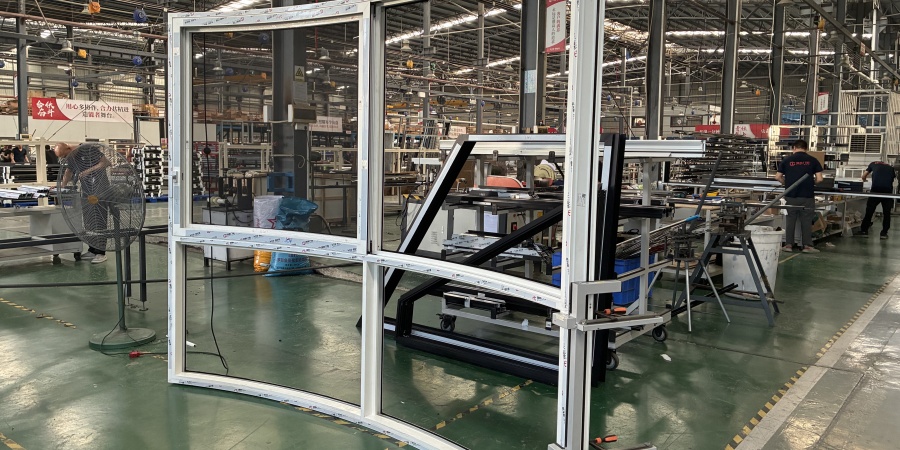
Operating a massive 115,000 m² automated manufacturing base in Foshan, Guangdong—the aluminum capital of China—Foshan Derka Architectural Doors & Windows Co., Ltd. brings 25+ years of specialized export experience to the Sri Lankan construction market.
Our facility houses 9 automated extrusion and assembly lines, supported by over 700 skilled technicians and structural engineers. Every custom order undergoes a mandatory 44-point quality assurance check, inspecting dimension precision, corner crimping torque, powder coat thickness (micrometer verified), and water tightness prior to international container loading.
Frequently Asked Questions by Sri Lankan Importers & Builders
Clear, engineering-backed answers addressing international shipping, customs, climate suitability, and quality assurance.
Q: How does shipping and sea freight logistics work from your Foshan factory to Colombo Port, Sri Lanka?
We provide comprehensive export logistics solutions under FOB, CIF, or DDP terms directly from our Foshan facility to Colombo Port (Port of Colombo). Direct sea freight transit time from Nansha or Shekou ports to Colombo typically ranges from 10 to 14 days. Products are fully packed in export-grade steel-reinforced wooden crates with protective surface films, corner rubber guards, and moisture-absorbing desiccant packs to guarantee damage-free arrival.
Q: What powder coating or anodizing surface treatments do you recommend for coastal areas like Galle or Bentota?
For coastal zones within 5 kilometers of the Indian Ocean, we strongly specify marine-grade PVDF (Fluorocarbon) coating or Qualicoat Class 2 / Class 3 thermosetting powder coatings with a minimum thickness of 60-80 microns. Alternatively, 25-micron architectural anodization provides extreme resistance against salt spray pitting, salt-air oxidation, and UV degradation caused by Sri Lanka's intense tropical sunlight.
Q: How do your aluminum sliding doors prevent water leakage during severe monsoonal storms in Sri Lanka?
Our monsoonal-rated sliding door series features a patented stepped-down sill design with hidden unidirectional drainage valves, multi-layer EPDM sealing gaskets, and anti-capillary silicone barriers. Tested under EN 12208 Class 9A conditions, our sills remain 100% water-tight even under continuous static water pressures of 600 Pa and extreme wind-driven rainfall up to 150 km/h.
Q: Can your factory produce custom door dimensions and match specific CAD shop drawings from Sri Lankan architects?
Yes, 100% of our production is made-to-order. Our in-house engineering department reviews your architectural CAD or BIM drawings, conducts structural load calculations for wind pressure and glass deflection, and generates detailed shop drawings for formal approval prior to extrusion cutting and manufacturing.
Q: Are thermal break aluminum profiles strictly necessary in Sri Lanka's tropical climate?
While non-thermal aluminum is structurally adequate, thermal break aluminum profiles with PA66GF25 polyamide insulation are highly recommended for luxury air-conditioned projects. Non-thermal aluminum conducts exterior heat rapidly into the interior, forcing air-conditioning systems to work continuously. Thermal break doors eliminate thermal bridging, reduce internal surface temperature by 8-12°C, and substantially lower monthly electricity costs in commercial developments.
Q: What quality control inspection process is conducted before order dispatch?
Every door unit passes our standardized 44-point QC system. Inspection criteria include aluminum profile wall thickness verification, corner crimping alignment, powder coat adhesion and thickness testing, glass double-seal integrity, sliding roller smooth-glide testing, and lock hardware engagement testing. Detailed QC photo and video reports are provided to the buyer prior to final container loading.