Executive Whitepaper: Architectural Entry Systems for Boston's Climate Zone 5A
Selecting and specifying contemporary front entry doors for residential developments, institutional hubs, and luxury single-family residences in the Greater Boston region demands a rigorous understanding of material science, thermodynamics, and regional architectural history. Situated in IECC Climate Zone 5A, Boston presents an extreme meteorological operating envelope: sub-zero winter temperatures, severe freeze-thaw cycles, high wind-driven salt spray off Massachusetts Bay, and elevated summer solar heat gain.
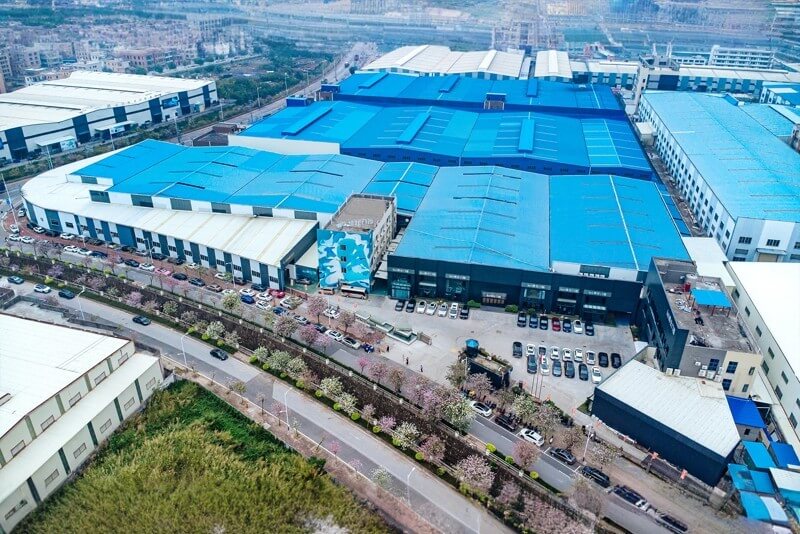
As a premier global entry door manufacturer operating a 115,000 m² automated production complex, Foshan Derka Architectural Doors & Windows Co., Ltd. delivers factory-direct custom door systems specifically engineered to surpass the thermal, structural, and aesthetic requirements enforced by the Massachusetts State Building Code (780 CMR) and local municipal historic district commissions.
Technical Engineering Comparison Matrix: Entry Door Materials for Boston
To assist Boston architects, facade consultants, and general contractors in making informed procurement decisions, our engineering team has synthesized a structural performance matrix evaluating four core door construction methodologies:
| Performance Criterion | Thermal Break Aluminum | Solid Teak / Hardwood | Reinforced Steel Core | Architectural Copper Clad |
|---|---|---|---|---|
| Thermal Transmittance (U-Factor) | 0.16 - 0.20 BTU/h·ft²·°F | 0.24 - 0.30 BTU/h·ft²·°F | 0.22 - 0.28 BTU/h·ft²·°F | 0.18 - 0.22 BTU/h·ft²·°F |
| Structural Wind Load (ASTM E330) | DP 65 - DP 90 (Design Press.) | DP 40 - DP 50 | DP 70 - DP 100 | DP 60 - DP 80 |
| Salt-Fog Corrosion (ASTM B117) | 3,000+ Hrs (PVDF Fluorocarbon) | Requires Bi-Annual Sealing | 1,500 Hrs (Zinc Galvanized) | Natural Patina Resistance |
| Acoustic Isolation (STC Rating) | STC 38 - STC 44 | STC 32 - STC 36 | STC 36 - STC 40 | STC 40 - STC 46 |
| Dimensional Stability Range | Zero Warpage (-20°F to 140°F) | Prone to Moisture Swelling | Minimal Thermal Expansion | Zero Warpage Core |
Localized Application Scenarios across Greater Boston Neighborhoods
Boston's micro-climates and architectural typologies vary drastically across municipal districts. Our custom manufacturing capabilities allow architects and developers to tailor frame geometries, glass coatings, and hardware systems to meet exact localized demands:
1. Seaport District & East Boston Waterfront (High-Velocity Coastal Winds & Salt Spray)
Properties along Fan Pier, Grand Union Boulevard, and Jeffries Point are directly exposed to salt-laden marine air and Nor'easter storm gusts originating from Massachusetts Bay. For these coastal installations, we specify heavy-duty T6-6063 marine-grade aluminum pivot doors coated with AAMA 2605 compliant PVDF fluorocarbon coatings. Glazing units feature SGP (SentryGlas® Plus) structural interlayers to withstand wind pressures up to DP 90 and prevent hurricane-driven moisture penetration.
2. Back Bay & Beacon Hill Contemporary Infill Projects (Historical Overlay Compliance)
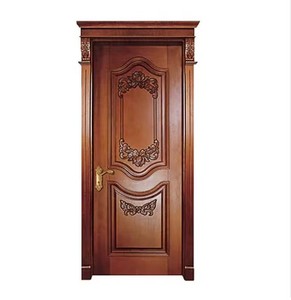
Working within historic preservation zones managed by the Beacon Hill Architectural Commission (BHAC) or Back Bay Architectural Commission (BBAC) often requires maintaining traditional street-facing proportions while incorporating contemporary energy performance at the building envelope. We manufacture custom narrow-frame thermal break doors and solid wood teak entryways equipped with insulated simulated divided lites (SDLs), reproducing historic sightlines while delivering NFRC-certified U-factors as low as 0.18.
3. Cambridge & Somerville Innovation Corridors (Acoustic Isolation & Smart Automation)
In high-density innovation communities surrounding Kendall Square and Harvard Square, modern residential developments require elevated sound attenuation (STC 42+) to isolate interior spaces from urban transit noise (MBTA Red Line and truck traffic). Our contemporary pivot doors feature multi-chambered polyamide thermal barriers, perimeter EPDM drop seals, and motorized biometric access systems compatible with Crestron or Control4 smart building protocols.
4. Newton, Wellesley & Metrowest Suburbs (Grand Scale Estate Entries)
Sprawling custom estates in Newton Centre, Wellesley Farms, and Weston favor oversized modern entry systems, often reaching heights up to 14 feet (4.2 meters). Our factory constructs custom structural steel-reinforced aluminum frames paired with custom teak or insulated aluminum panels, utilizing concealed German hydraulic floor pivots capable of supporting panel weights exceeding 1,100 lbs (500 kg) with effortless manual operation.
Polyamide PA66-GF25 Thermal Break Engineering
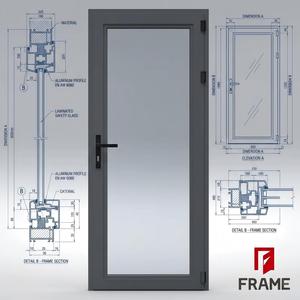
To withstand extreme winter temperature differentials where outdoor temperatures dip to -10°F while indoor ambient heat is kept at 70°F, our aluminum entry doors utilize 24mm to 34mm multi-chambered polyamide thermal breaks reinforced with 25% fiberglass (PA66-GF25).
This structural bridge breaks the conductive heat transfer path, eliminating interior frame condensation, preventing frost accumulation, and dramatically reducing seasonal HVAC energy consumption.
Consult an Engineer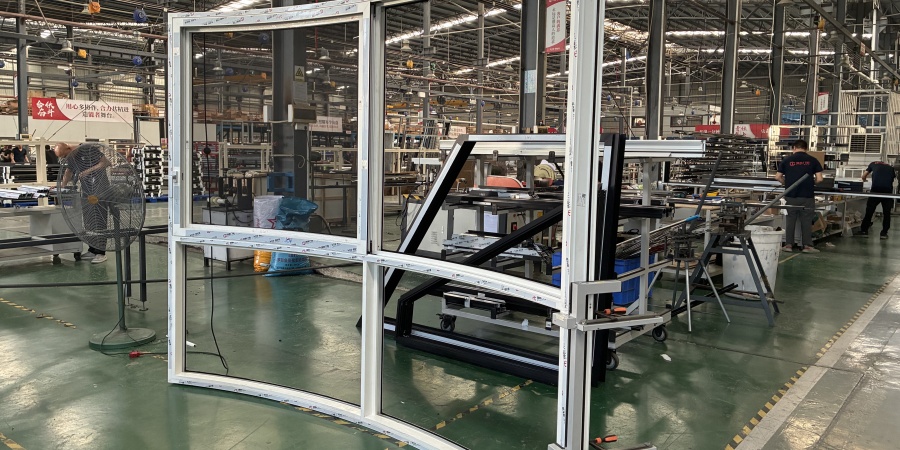
Emerging Architectural & Regulatory Trends in Boston (2025–2030)
As the City of Boston advances its decarbonization roadmap and enforces the Massachusetts Specialized Stretch Energy Code, facade engineering standards for residential and commercial entries are undergoing a major shift:
- Net-Zero Carbon Envelope Integration: Requirements for continuous insulation (CI) have pushed front entry door thermal specs to demand triple-pane insulated glass units (IGUs) filled with 90%+ Argon gas and double Low-E hard coatings (such as Solarban 60/70).
- Concealed Hydraulic Hardware & Minimalist Sightlines: Modernist design language across Boston infills heavily favors zero-threshold transitions, ultra-slim vertical stiles, and invisible overhead/floor pivot mechanisms that hide all mechanical fasteners.
- Biometric & Contactless Security Protocol: High-end residential clients increasingly mandate motor-driven multi-point lock systems (such as Winkhaus or GU-Secury) integrated with facial recognition, keypad access, and smartphone app control.
- Hydrophobic & Anti-Fingerprint Surface Treatments: Matte dark grey, anodized bronze, and oxidized copper finishes treated with nano-scale anti-corrosive topcoats are fast replacing traditional painted surfaces due to their low maintenance requirements in coastal salt environments.
Factory Direct Advantage: Foshan Derka Manufacturing Base
Procuring bespoke contemporary front entry doors directly from our manufacturing facility in Foshan provides Boston architects, building developers, and trade importers with unmatched quality control and commercial advantages:
115,000 m² Facility
Operating 9 fully automated CNC extrusion, cutting, and assembly lines with a daily capacity exceeding 1,200 door and window units.
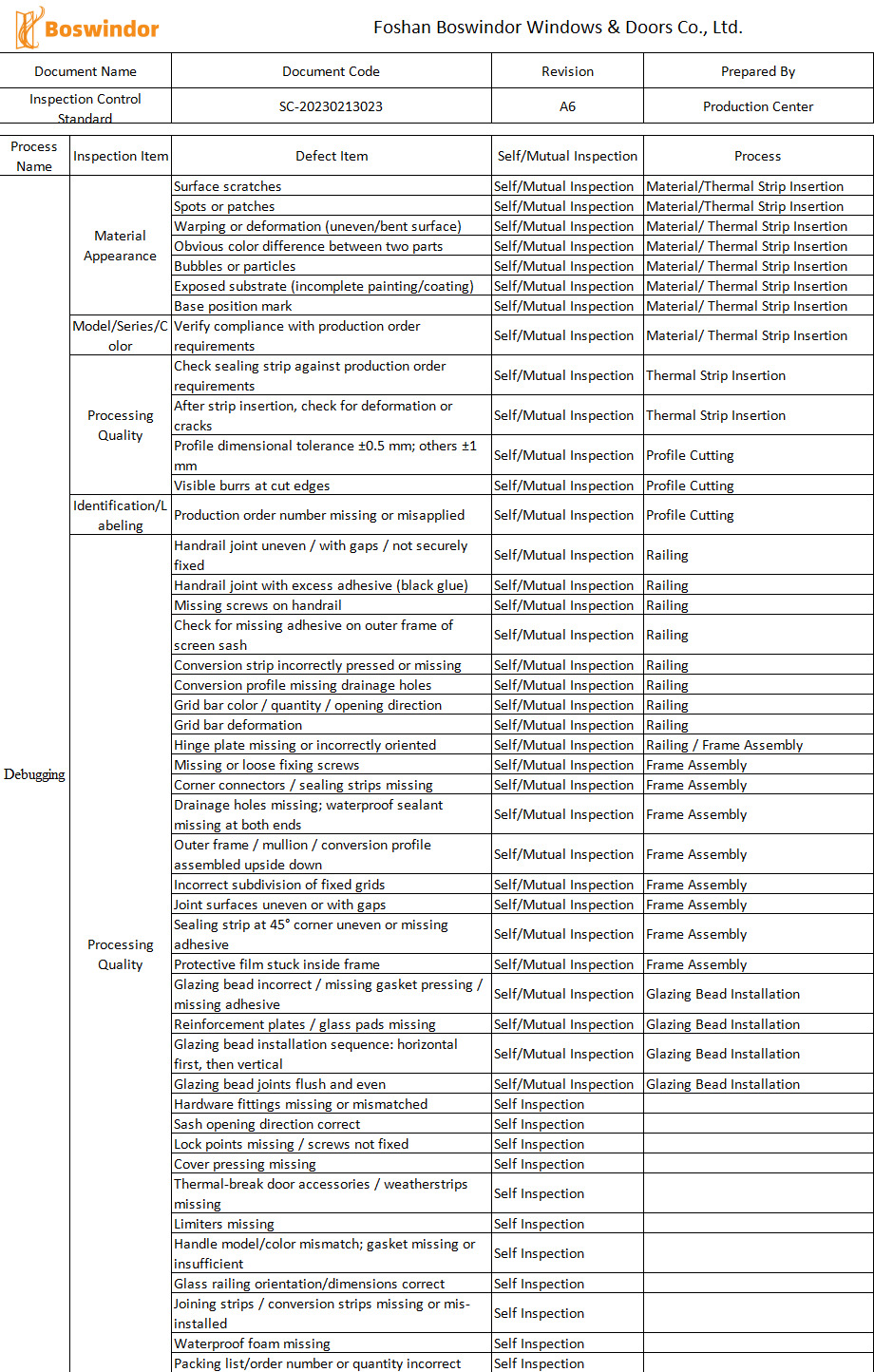
44-Point QC Protocol
Every unit undergoes strict dimension verification, corner crimping torque checks, air/water tight chamber testing, and finish thickness measurement.
Global Certifications
Products engineered and certified ready to meet NFRC, Energy Star, CE, AS2047, CSA, and ISO 9001 quality management benchmarks.