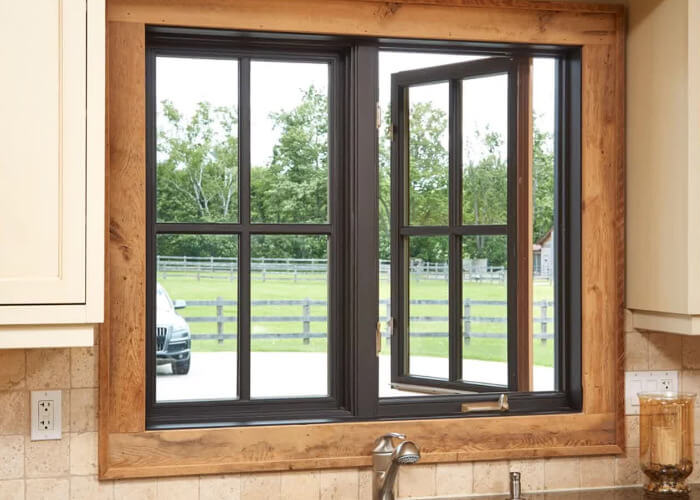
Evaluating Double vs. Triple Silver Low-E Coatings
How spectral selectivity affects solar heat gain reduction without sacrificing visible interior illumination.
Engineered by Foshan Derka Architectural Doors & Windows Co., Ltd. Advanced soft-coat Low-E glazing paired with multi-cavity PA66 polyamide thermal breaks for extreme energy efficiency and climate resilience.
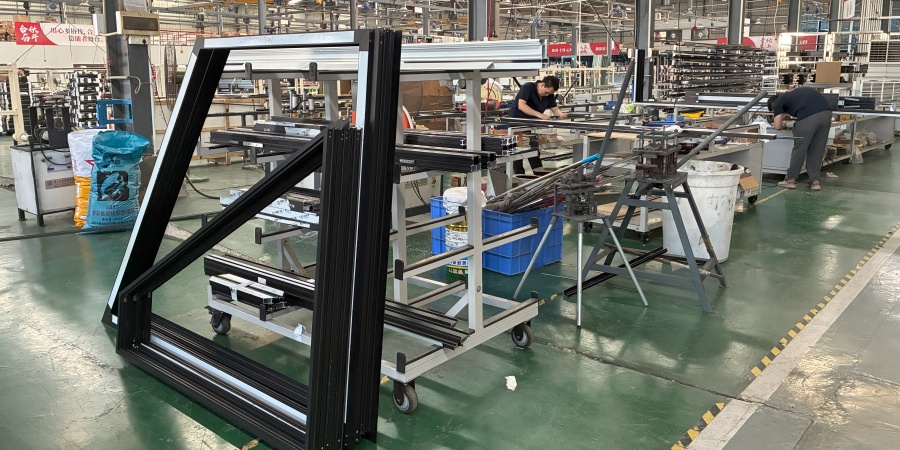
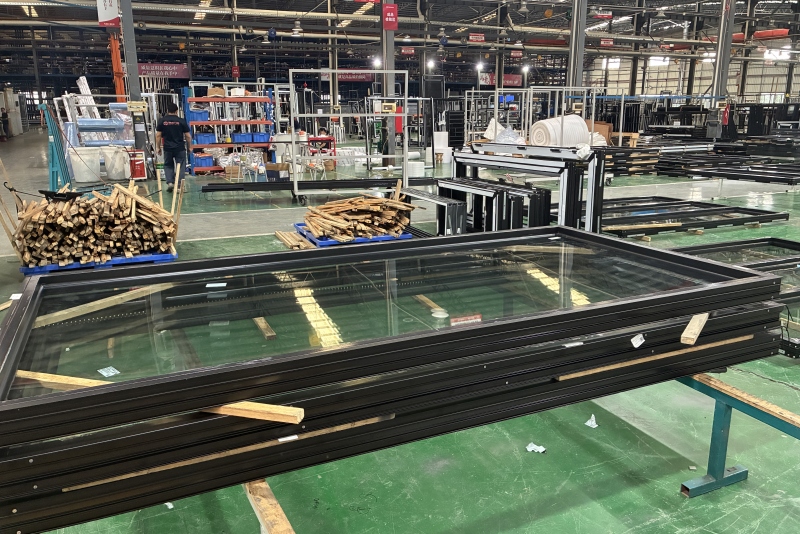
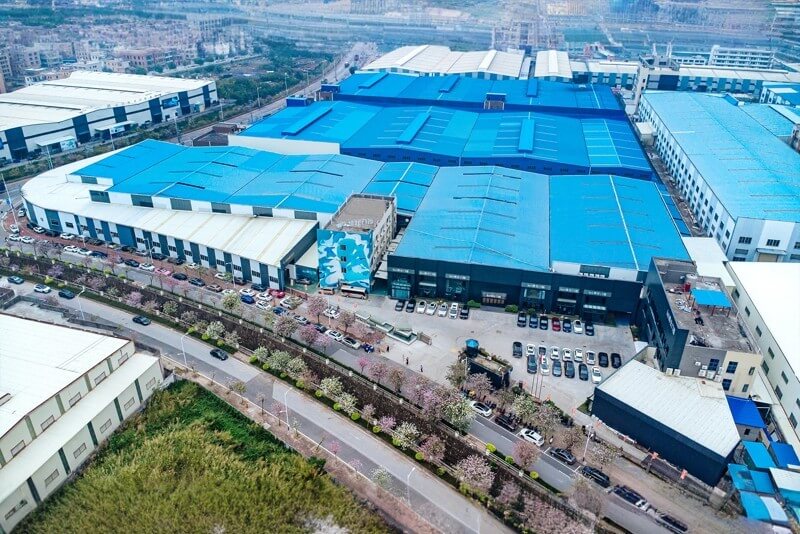
Founded in 2000, Foshan Derka Architectural Doors & Windows Co., Ltd. has established itself as an authoritative leader in high-performance fenestration. Operating a massive 115,000 m² automated manufacturing hub powered by 700+ skilled staff and specialized engineers, we supply premium Low-E Glazed Windows tailored specifically for commercial importers, real estate developers, and architectural firms worldwide.
Unlike basic window suppliers, Foshan Derka resolves the complex trade-offs between Solar Heat Gain Coefficient (SHGC), U-Factor thermal insulation, and visible light transmittance (VLT). By combining microscopic multi-layer silver sputtering (soft-coat Low-E) with multi-chamber PA66 GF25 thermal break extrusions, our fenestration systems significantly lower annual building HVAC loads while satisfying stringent international energy standard certifications.
Engineered for high solar rejection, low U-factors, and exceptional acoustic attenuation. Optimized for modern energy codes across North America, Australia, Europe, and the Middle East.
Best SellerSide-hinged multi-point locking casements featuring double-silver Low-E insulated glass units (IGU) filled with 95% Argon gas. Compression sealing eliminates air infiltration and achieves structural load resistance up to 4500 Pa.
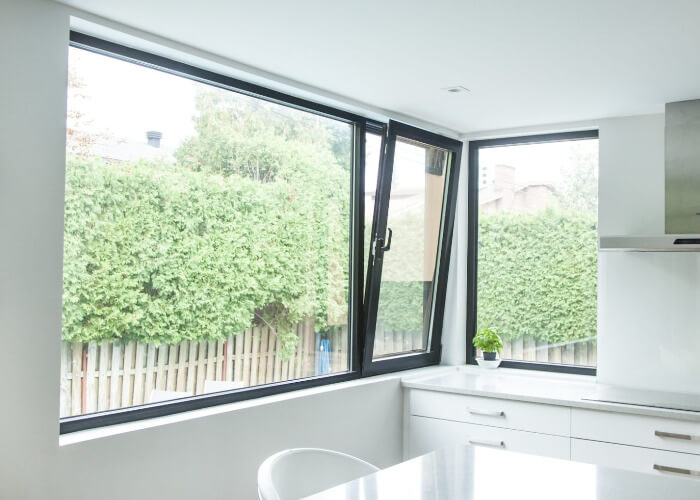 European Standard
Dual-action European mechanism providing top-tilt micro-ventilation and full inward swing for maintenance. Integrated with triple-pane spectrally selective Low-E glass and Swisspacer warm-edge technology.
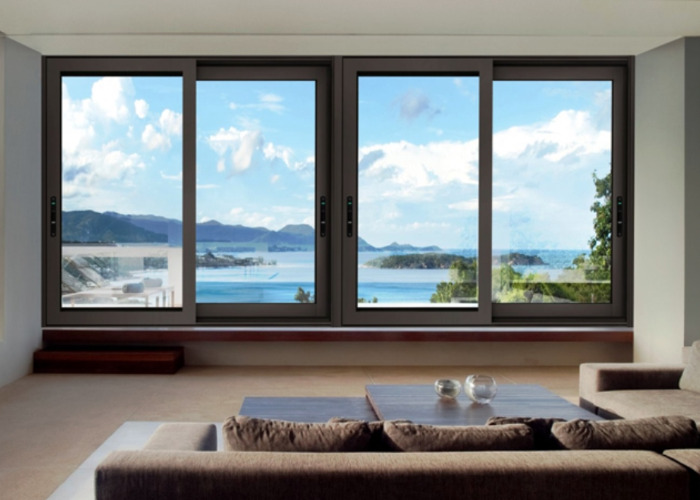 Panoramic Glass
Precision smooth-rolling sliding windows utilizing tempered ceramic-coated low-emissivity glass. Heavy-duty stainless steel tracks accommodate massive glass weights without compromising energy performance.
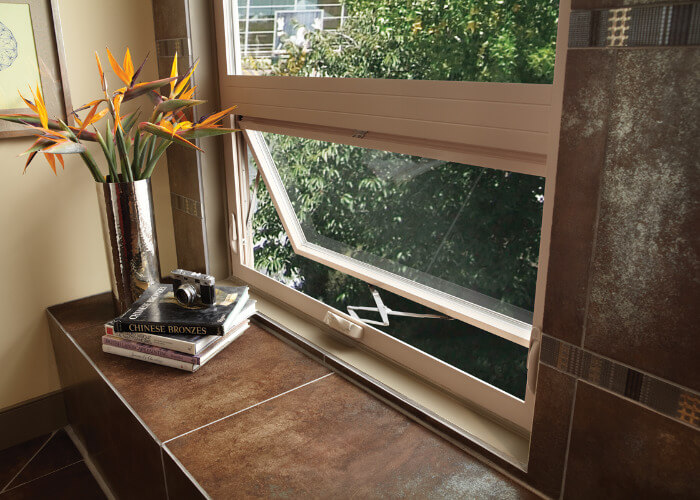 All-Weather Airflow
Top-hinged outward opening sashes engineered to permit natural ventilation during heavy rainfall. Outfitted with soft-coat Low-E glass that blocks up to 99% of damaging solar UV radiation.
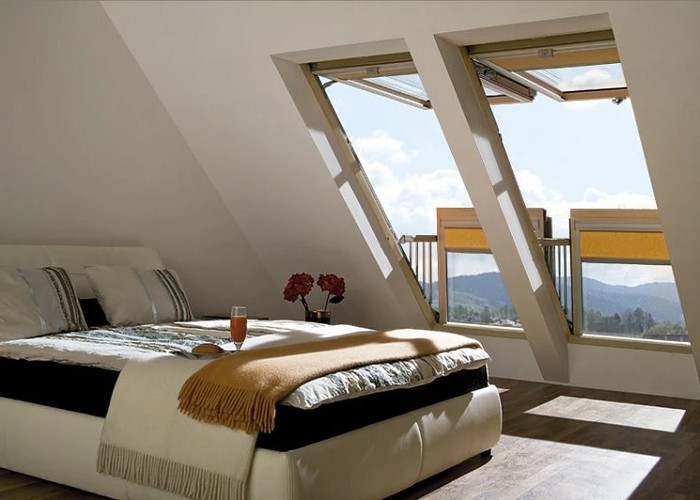 Roof Glazing
Overhead glazed units engineered with heat-strengthened Low-E outer panes and PVB/SGP laminated inner safety glass. Designed to handle severe snow loads and hail impacts while maintaining interior thermal equilibrium.
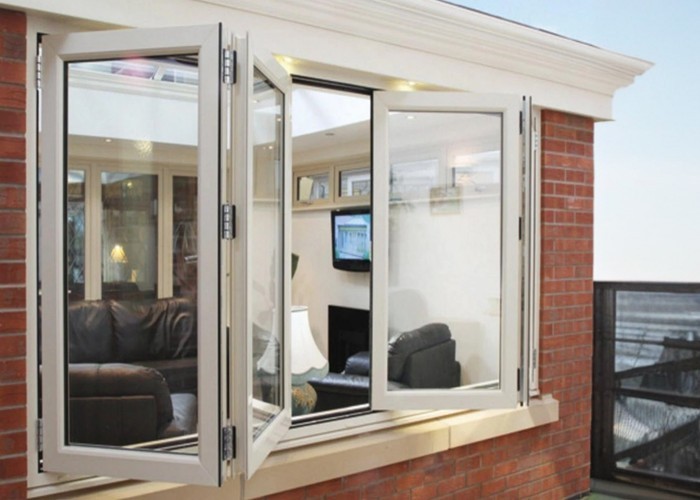 Indoor-Outdoor
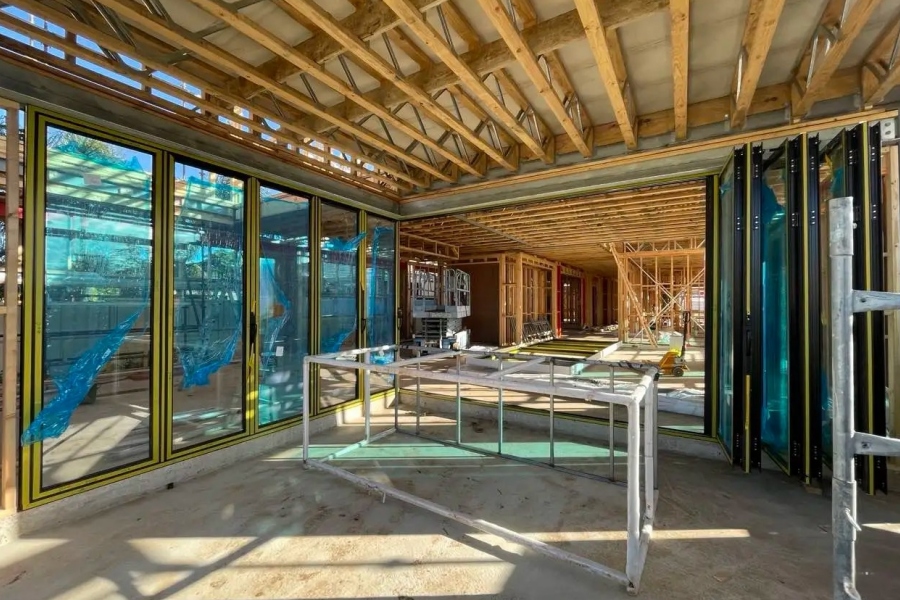
Multi-panel folding windows that collapse completely to link living spaces to external patios. Fitted with custom low-emissivity glass to keep expansive glass facades thermally isolated year-round.
A technical evaluation for procurement officers, facade consultants, and structural engineers specifying energy-efficient fenestration systems.
Foshan Derka exclusively utilizes Vacuum Magnetron Sputtered Vacuum Deposition (MSVD) soft-coat Low-E technology. By applying nanometer-thin layers of pure silver (Ag) enveloped between anti-reflective dielectric metal oxides (TiO2/ZnO), our glass reflects up to 96% of long-wave infrared thermal energy while retaining exceptional visible light clarity.
Raw aluminum frame extrusions possess high thermal conductivity (~160 W/mK), causing severe thermal bridging. Foshan Derka integrates 24mm to 34mm multi-cavity PA66 GF25 (polyamide reinforced with 25% structural glass fiber) thermal break strips. This drops frame conductivity under 0.3 W/mK, matching the expansion coefficient of glass to prevent seal failure.
Conventional aluminum spacer bars create cold perimeters that cause moisture condensation and perimeter frost. Our Low-E glazed units utilize Swisspacer or TPS flexible warm-edge composite spacers paired with primary polyisobutylene (PIB) and secondary silicone dual sealants, trapping 95% concentrated Argon gas with a leak rate below 0.5% annually.
One of the most common procurement errors in commercial window importing is specifying uniform Low-E glass across different climate zones. At Foshan Derka Architectural Doors & Windows Co., Ltd., our engineering team customizes glass stack configurations based on local environmental thermodynamics:
Objective: High Solar Rejection. Double or triple silver Low-E coatings placed on Surface #2 of the IGU reflect external solar radiation before it penetrates the building interior. This yields low SHGC values (0.20 - 0.25) while preserving high Visible Light Transmittance (VLT > 60%), drastically slashing chiller energy demands.
Objective: Solar Heat Retention. High-passive-solar Low-E coatings placed on Surface #3 capture short-wave solar radiation during winter days while reflecting long-wave internal radiant heat back inside. Combined with triple glazing, U-factors reach passive house standards as low as 0.14 BTU/h·ft²·°F (0.80 W/m²K).
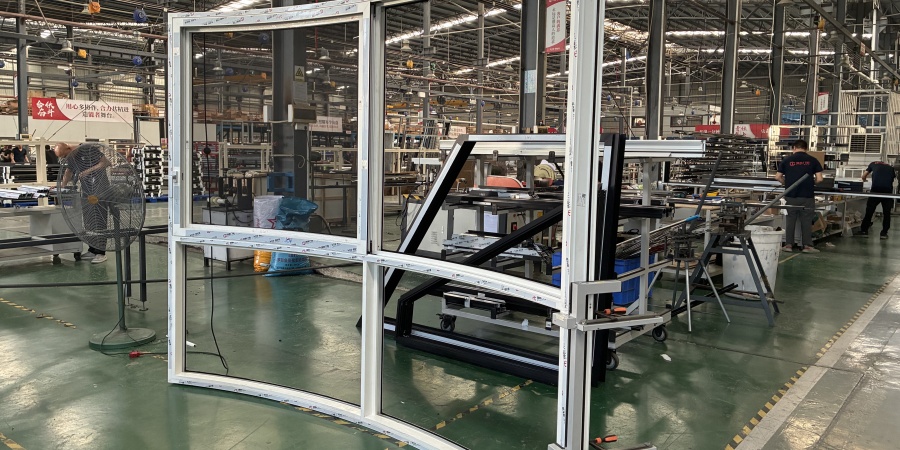
Operating 9 fully automated profile processing and insulating glass assembly lines across a 115,000 m² footprint, Foshan Derka Architectural Doors & Windows Co., Ltd. maintains strict repeatable quality. Every Low-E Glazed Window is tested for air infiltration, water tightness, and acoustic damping before crating.
Spectro-analysis of 6063-T5/T6 aluminum alloys and float glass emissivity.
5-Axis CNC routing and PA66 polyamide thermal barrier crimping.
Automated washing, Swisspacer application, and 95% Argon gas injection.
German corner-crimping with structural dual-component epoxy bonding.
Laser dimensioning, dew point testing (-40°C), and water penetration tests.
Plywood fully enclosed crates tagged by elevation and opening schedule.
Key technological shifts shaping global architectural specifications and sustainability mandates.
Next-generation fenestration combines soft-coat Low-E glass with 0.2mm vacuum gaps instead of inert gas. This achieves ultra-thin profiles boasting center-of-glass U-factors below 0.60 W/m²K, revolutionizing retrofits and passive house architecture.
Triple-silver Low-E glass stacks maximize light-to-solar gain (LSG) ratios (>2.0). B2B procurement is shifting toward triple silver coatings to satisfy net-zero building codes without sacrificing natural interior daylighting.
Global coastal developments increasingly demand storm protection combined with thermal performance. Low-E IGUs paired with SGP (SentryGlas®) structural laminates withstand extreme wind pressures (>5000 Pa) and missile impacts.
Green building certifications (LEED v4, BREEAM, Green Star) now audit embodied carbon. Foshan Derka incorporates recycled low-carbon aluminum billets and publishes Environmental Product Declarations (EPD) for sustainable procurement.
At Foshan Derka Architectural Doors & Windows Co., Ltd., compliance is verified through empirical testing. Our Low-E glazed windows undergo exhaustive third-party laboratory evaluations to ensure smooth customs clearance and code compliance across North America, Europe, Australia, and beyond.
Each unit features laser-etched glass certification marks, trace-ability barcodes, and verified performance ratings under NFRC, AS2047, and CE protocols.
From extreme desert climates in Dubai to coastal storm zones in Australia and North America, our window packages perform reliably across the globe.
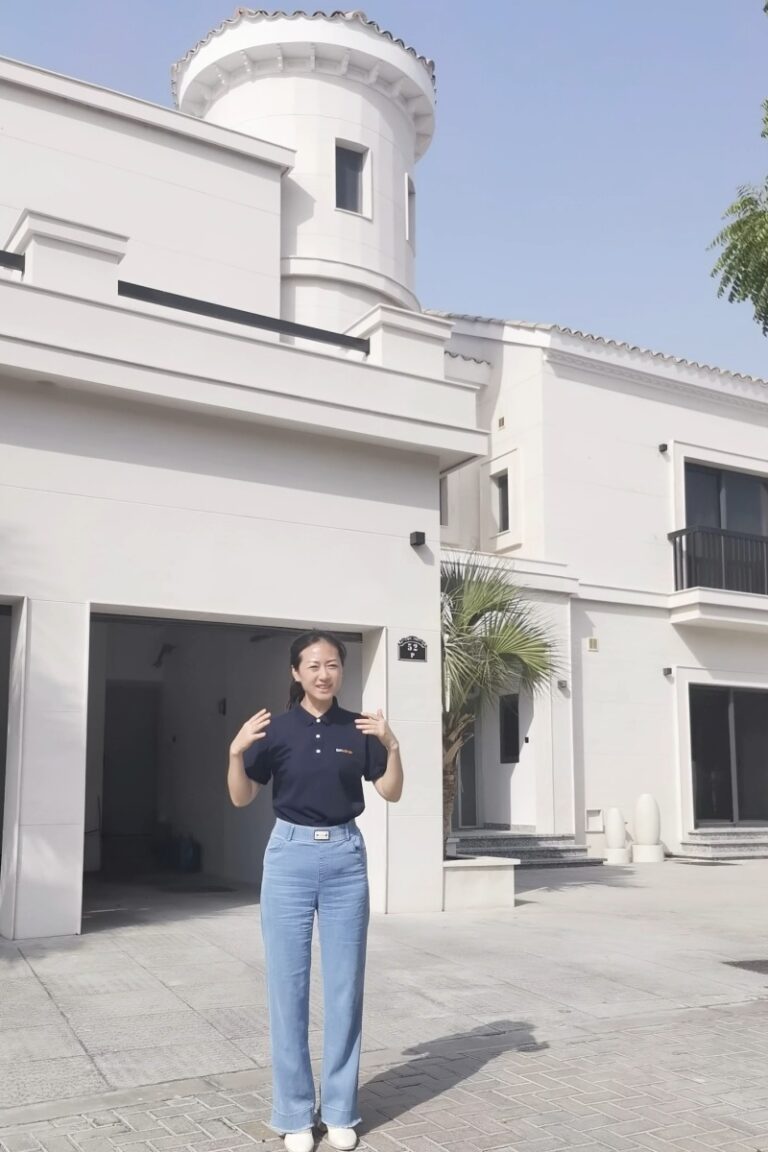
Custom double-silver Low-E glazed sliding doors and casement windows engineered for extreme solar rejection (SHGC 0.21) and dust-tight sealing.
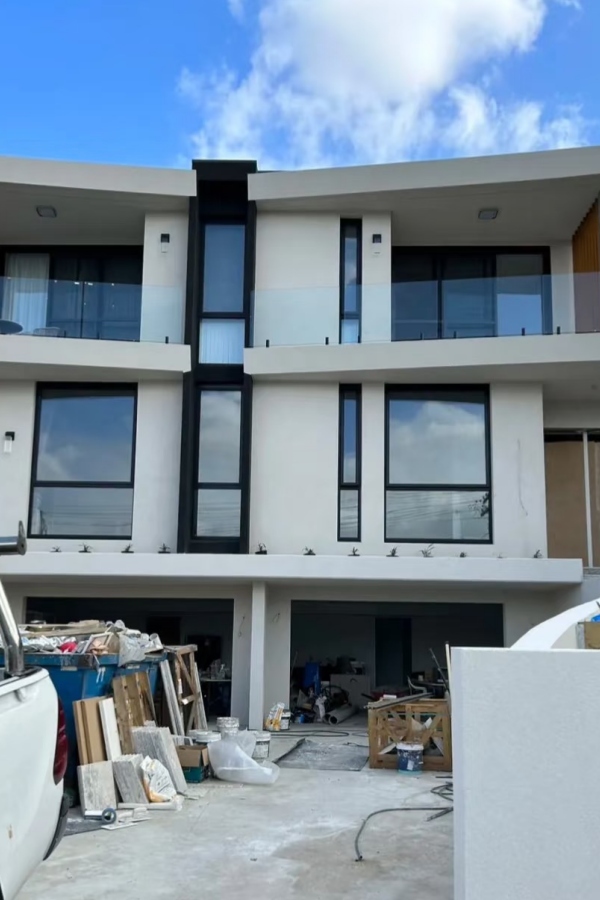
Thermally broken Low-E tilt and turn windows fully certified under AS2047, delivering acoustic insulation of STC 40 dB in a busy urban corridor.
Empirical answers from our lead facade engineers. Have custom technical drawings to review? Email [email protected] for detailed engineering feedback within 24 hours.
The thermal rating of a Low-E window depends on the interplay between glass coating performance, gas filling density, perimeter spacer conductance, and aluminum frame thermal breaks. Soft-coat double or triple silver Low-E coatings reflect long-wave infrared radiation. Paired with 90%+ Argon or Krypton gas filling and PA66 GF25 polyamide thermal barriers, our windows achieve U-factors down to 0.16 BTU/h·ft²·°F (0.91 W/m²K) and SHGC values tuned between 0.20 and 0.55 based on climate requirements.
Hard-coat (pyrolytic) Low-E glass fuses tin oxide onto hot float glass during production, creating a durable coating with emissivity around 0.15–0.20. Soft-coat (sputtered MSVD) Low-E glass applies multiple microscopic layers of silver in a vacuum chamber, achieving superior emissivity (down to 0.02) and significantly lower U-factors. Soft-coat Low-E glass is sealed inside insulated glass units (IGUs) to prevent oxidation, making it the preferred standard for high-performance architectural projects.
Foshan Derka Architectural Doors & Windows Co., Ltd. utilizes primary polyisobutylene (PIB) sealants and secondary structural silicone or polyurethane sealants. Warm-edge composite spacer bars (Swisspacer or TPS) are combined with automated 95% Argon gas filling systems. Each batch undergoes EN 1279 moisture vapor penetration testing to ensure gas leakage rates remain under 0.5% per year, preventing internal condensation for over 25 years.
Yes. Every window order manufactured by Foshan Derka Architectural Doors & Windows Co., Ltd. is custom-engineered to meet target building codes. We provide accredited third-party test reports for NFRC 100/200/400 (North America), AS2047 structural and water penetration testing up to 4500Pa (Australia/New Zealand), and CE EN 14351-1 conformity marking (Europe).
Raw aluminum conducts heat quickly (~160 W/mK). Without an effective thermal barrier, frame conductivity negates the insulating benefits of Low-E glazing. Foshan Derka integrates PA66 GF25 (polyamide reinforced with 25% fiberglass) multi-chamber thermal break strips. This material shares an expansion coefficient virtually identical to aluminum, eliminating shear failure during thermal cycling while dropping frame thermal conductivity under 0.3 W/mK.
Standard manufacturing lead time is 25 to 35 business days following shop drawing approval. All windows are wrapped in protective film, fitted with corner guards, and packed inside fully enclosed export-grade plywood crates labeled by project floor and opening number for efficient installation on site.
In-depth technical papers authored by Foshan Derka's fenestration research team.
How spectral selectivity affects solar heat gain reduction without sacrificing visible interior illumination.
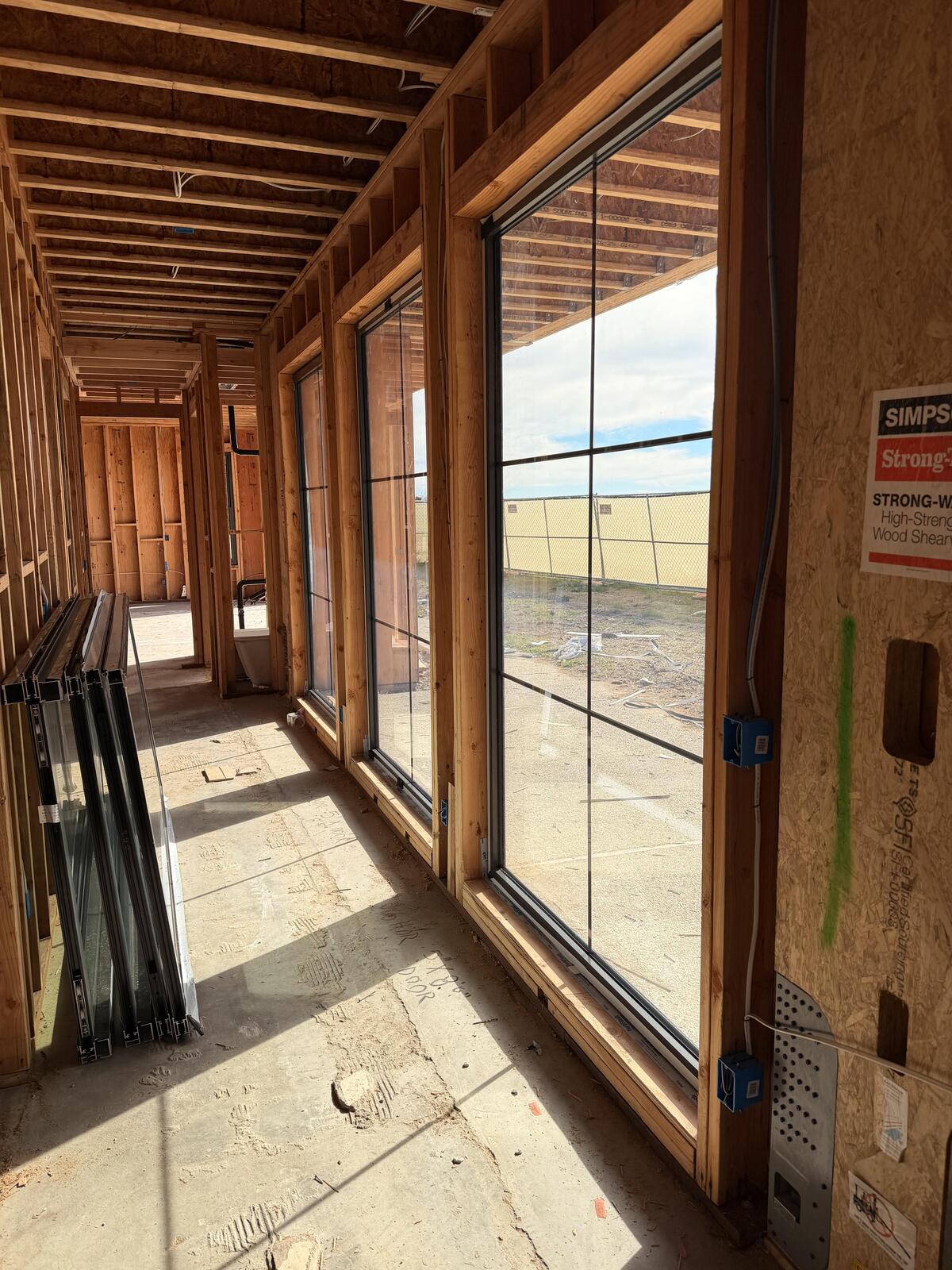
Key structural parameters, air infiltration metrics, and thermal numbers to audit before signing off on orders.
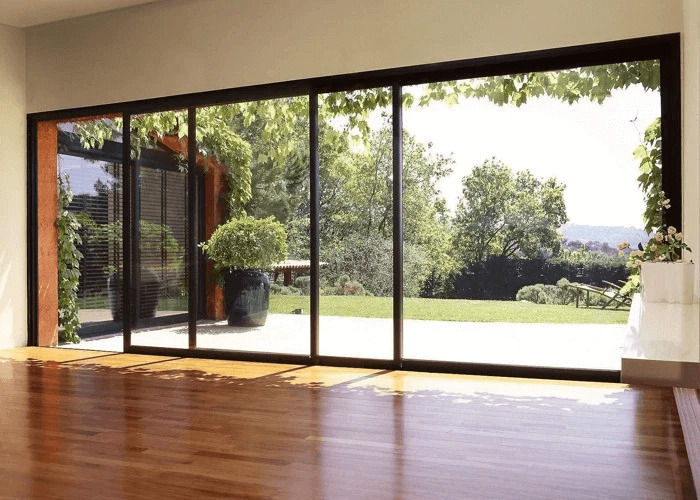
Proper installation sub-frame design and foam insulation techniques for modern facade envelopes.
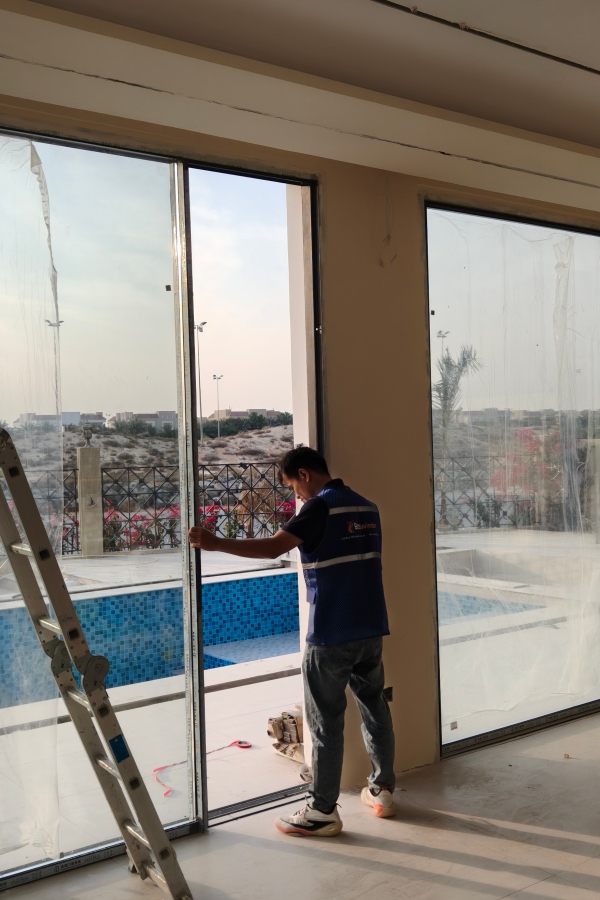
Best practices for A-frame loading, moisture desiccant placement, and job-site crate unloading sequencing.
Send your elevation schedules and project specifications to Foshan Derka Architectural Doors & Windows Co., Ltd. Our engineering team provides detailed thermal calculations, shop drawings, and direct factory quotes within 24 hours.